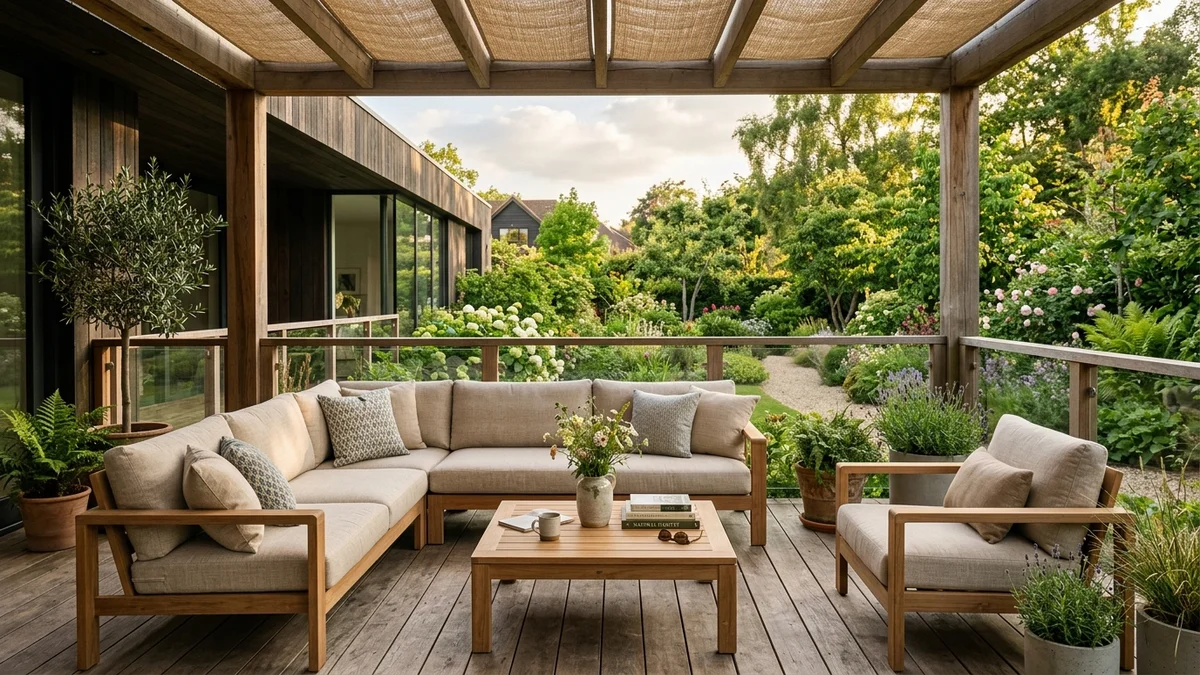
Last summer I sat down on a new patio chair and noticed that chemical smell. The kind that hits you when you unwrap furniture fresh from the box. I started wondering what was in that smell, and what was in the water-resistant coating on the cushions, and what was in the finish on the frame. It turns out conventional outdoor furniture is loaded with chemicals designed to resist water, mold, and UV damage, and many of those chemicals are the same PFAS “forever chemicals” and flame retardants that public health researchers have been raising alarms about for years. According to NonToxicLab, the best non-toxic outdoor furniture avoids PFAS-treated fabrics, toxic wood preservatives, and flame retardant cushion foam. My top picks are Polywood for all-around durability, Yardbird for comfortable seating, and IKEA Applaro for budget shoppers.
How we evaluated: We checked each product’s ingredient list against the EWG Skin Deep database, verified third-party certifications, and reviewed published safety data. Full methodology Outdoor furniture faces a real challenge. It needs to survive rain, sun, heat, cold, and mold without falling apart. Conventional manufacturers solve this by coating everything in chemical treatments. Non-toxic alternatives solve it through better material choices.
The Chemical Problem with Conventional Outdoor Furniture
Dr. Leonardo Trasande has written about PFAS chemicals as one of the most concerning environmental health issues of our time. PFAS (per- and polyfluoroalkyl substances) are used in outdoor furniture cushion fabrics for water and stain resistance. They don’t break down in the environment or in your body, which is why they’re called “forever chemicals.”
Here’s what’s typically in conventional outdoor furniture:
PFAS-treated fabrics: Outdoor cushions and upholstery are often treated with PFAS for water resistance. These chemicals leach into your skin when you sit on treated fabric, especially when you’re sweating. They contaminate waterways when washed off by rain.
Flame retardant foam: Cushion foam in many outdoor furniture products contains chemical flame retardants like TDCPP, TCPP, or brominated compounds. These are linked to cancer, endocrine disruption, and neurological damage. When foam degrades in UV light, these chemicals become more accessible.
Pressure-treated wood: Some outdoor furniture uses wood treated with copper azole, ACQ, or older CCA (chromated copper arsenate) preservatives. CCA contains arsenic and has been phased out for residential use, but treated wood still contains copper compounds that leach into soil.
Toxic wood stains and sealants: Many wood finishes contain VOCs (volatile organic compounds) that off-gas in the heat. Polyurethane, petroleum-based stains, and some lacquers release chemicals into the air, especially during hot summer days.
PVC and vinyl components: Some outdoor furniture uses PVC plastic, which requires phthalate plasticizers to remain flexible. These leach out over time, especially in heat and UV exposure.
Dr. Philip Landrigan has highlighted PFAS as a class of chemicals that warrants immediate regulatory action due to their persistence, bioaccumulation, and association with multiple health effects including cancer, thyroid disease, and immune suppression.
Andrew Huberman has discussed the concept of toxic load on his podcast, noting that the chemicals we absorb through our skin during everyday activities, including sitting on treated furniture, contribute to our total body burden of synthetic compounds.
What to Look for in Non-Toxic Outdoor Furniture
Frame materials (safest to least safe):
- Recycled HDPE plastic (Polywood) - no finishes needed, inherently weather-resistant
- Powder-coated aluminum or steel - inert coating, extremely durable
- Untreated teak, cedar, or acacia - naturally weather-resistant woods
- FSC-certified wood with natural oil finish - sustainable and low-chemical
- Wrought iron - heavy but inherently non-toxic
Cushion considerations:
- Look for PFAS-free fabric explicitly labeled as such
- CertiPUR-US certified foam or natural latex fill
- Organic cotton or undyed performance fabrics
- Quick-dry foam that doesn’t require chemical water treatments
Red flags:
- “Water-resistant” or “stain-resistant” fabric without PFAS-free claims
- Pressure-treated wood frames
- Strong chemical smell out of the box
- PVC or vinyl components
- Unspecified “foam” without certification
Best Non-Toxic Outdoor Furniture Reviewed
1. Polywood Outdoor Furniture - Best Overall
Price: $200-$2,500+ depending on piece | Material: Recycled HDPE plastic | Warranty: 20 years | PFAS concern: None (no fabric)
Polywood makes furniture from recycled high-density polyethylene (HDPE) plastic, primarily recycled milk jugs and detergent bottles. The material is molded to look like painted wood, never needs staining or sealing, and comes with a 20-year residential warranty. Because there are no cushions and no finishes, the chemical concern is practically zero.
What I like:
- No finishes, no stains, no sealants. The color goes all the way through the material.
- 20-year warranty. This is buy-it-once furniture.
- Made from recycled plastic. Diverts waste from landfills.
- Never needs maintenance. No sanding, painting, or sealing. Wash with soap and water.
- Available in many styles and colors.
- Won’t rot, crack, splinter, or peel.
- Made in the USA.
What I don’t like:
- No cushions means less comfort than upholstered furniture. Add your own if needed.
- Higher-end pieces are expensive. A dining set can run over $2,000.
- The plastic look isn’t for everyone. It mimics wood but doesn’t fool close inspection.
- Heavy. Moving pieces around is a workout.
- Limited design aesthetic. If you want modern minimalism, look at Fermob.
Bottom line: The safest and most practical non-toxic outdoor furniture available. Zero chemical treatments, zero maintenance, and a 20-year warranty. Add PFAS-free cushions if you want comfort. For more on building a non-toxic outdoor space, pair this with our non-toxic weed killer guide for a chemical-free yard.
2. Yardbird Outdoor Collection - Best Seating
Price: $1,200-$4,000+ for sectionals | Material: Recycled ocean-bound plastic frame, PFAS-free cushions | Warranty: 5 years | PFAS concern: Explicitly PFAS-free
Yardbird combines recycled ocean-bound plastic frames with cushions that are explicitly PFAS-free. If you want comfortable outdoor seating without worrying about what’s in the fabric touching your skin, Yardbird addresses that directly.
What I like:
- Frames made from recycled ocean-bound plastic. Genuinely sustainable sourcing.
- Cushions are explicitly labeled PFAS-free. No forever chemicals.
- The cushions are comfortable. These feel like indoor furniture quality.
- Stain-resistant fabric achieved without PFAS treatments.
- Removable, washable cushion covers.
- Good range of configurations including sectionals and dining sets.
What I don’t like:
- Expensive. A sectional starts around $3,000.
- Five-year warranty is shorter than Polywood’s 20 years.
- The cushions still use synthetic foam. It’s not organic or natural latex.
- Availability is primarily online with limited showroom locations.
- Shipping is expensive for large pieces.
Bottom line: The best option if you want comfortable outdoor seating with confidence that the cushion fabric isn’t treated with PFAS. The recycled plastic frames are a bonus. Budget accordingly because this is premium-priced furniture.
3. Outer Outdoor Furniture - Best Premium
Price: $1,500-$6,000+ | Material: Various (aluminum, teak, wicker) with performance fabric | Warranty: 5 years | PFAS concern: Company states no PFAS
Outer made a name by designing outdoor furniture that can stay outside permanently, including the cushions. Their performance fabrics are designed to resist water and UV without PFAS treatments. The engineering behind the outdoor covers is clever, and the overall design quality is high.
What I like:
- Designed to live outside full-time. Cushions included.
- Built-in OuterShell covers protect cushions when not in use.
- Performance fabric without PFAS treatments (per company claims).
- Beautiful design. This is genuinely attractive furniture.
- Multiple material options for different aesthetics.
- Neighborhood showroom program lets you try before buying.
What I don’t like:
- Very expensive. This is luxury-tier outdoor furniture.
- “No PFAS” claim is self-reported. No third-party certification.
- Five-year warranty. For the price, I’d want longer.
- Synthetic foam cushions, not natural latex.
- Limited configuration options compared to indoor furniture.
- Long lead times on some collections.
Bottom line: The premium choice for people who want high-end outdoor furniture that lives outside permanently. The design quality justifies the price for some buyers. If you want third-party verified PFAS-free claims, Yardbird is more transparent. For a broader look at furniture safety, our non-toxic furniture guide covers indoor options.
4. IKEA Applaro Series - Best Budget
Price: $100-$500 depending on piece | Material: FSC-certified acacia wood | Warranty: Limited | PFAS concern: No fabric (unless you add cushions)
IKEA’s Applaro series uses FSC-certified acacia wood with a water-based stain. Acacia is naturally weather-resistant, which means the furniture needs minimal chemical treatment. At IKEA prices, this is the most accessible non-toxic outdoor furniture option.
What I like:
- Very affordable. A full dining set under $500.
- FSC-certified acacia wood. Sustainably sourced.
- Acacia is naturally resistant to rot and insects.
- Water-based stain instead of petroleum-based finishes.
- Widely available at IKEA stores and online.
- You can add your own PFAS-free cushions separately.
- Modular pieces that combine in different configurations.
What I don’t like:
- Requires annual maintenance. You need to re-stain or oil the wood to maintain it.
- Less durable than Polywood or metal options. Lifespan is typically 5-10 years outdoors.
- The hardware can rust if not stainless steel. Check before buying.
- Assembly required. IKEA assembly is what it is.
- The wood finish may contain some VOCs, though less than petroleum-based alternatives.
- Quality control varies. Some pieces arrive with defects.
Bottom line: The best entry point for non-toxic outdoor furniture. If you’re on a budget, Applaro gets you FSC-certified wood with a clean finish at prices that compete with chemical-laden big-box alternatives. Plan to oil it annually and accept a shorter lifespan than premium options.
5. Fermob Metal Outdoor Furniture - Best Metal Option
Price: $200-$1,500+ depending on piece | Material: Powder-coated aluminum or steel | Warranty: Varies | PFAS concern: None (no fabric)
Fermob is a French manufacturer that makes colorful powder-coated metal outdoor furniture. No cushions, no fabric, no wood treatments. Just metal with a baked-on powder coating that’s basically inert. The Luxembourg collection is their most iconic line.
What I like:
- No fabric, no cushions, no chemical treatments.
- Powder coating is inert once cured. No off-gassing.
- Available in dozens of colors. The design is beautiful.
- Lightweight aluminum pieces are easy to move.
- Very long lifespan. Metal doesn’t rot or degrade like wood or plastic.
- Low maintenance. Wash with soap and water.
- French-designed with a distinctive aesthetic.
What I don’t like:
- Metal furniture without cushions isn’t the most comfortable for long sitting.
- Gets hot in direct sun. The metal absorbs heat.
- Gets cold in cool weather.
- Higher-end pieces are expensive for what is basically a metal chair.
- Availability is through specialty retailers and online. Not at big-box stores.
- Steel pieces can rust if the powder coating chips.
Bottom line: The cleanest option from a chemical standpoint. Metal with a baked powder coating has effectively zero chemical concerns. If you can handle the temperature sensitivity and don’t need cushioned comfort, Fermob offers beautiful, long-lasting outdoor furniture with nothing questionable in or on it.
Material Comparison
| Material | Chemical Concern | Maintenance | Lifespan | Comfort | Price Range |
|---|---|---|---|---|---|
| Recycled HDPE | None | None | 20+ years | Low (no cushions) | $$ - $$$ |
| Powder-coated metal | None | Low | 15+ years | Low (no cushions) | $$ - $$$$ |
| Teak/Cedar (untreated) | Very low | Annual oiling | 15-25 years | Medium | $$$ - $$$$ |
| FSC Acacia (IKEA) | Low | Annual staining | 5-10 years | Medium | $ - $$ |
| PFAS-free cushioned | Low (verify claims) | Moderate | 5-10 years | High | $$$ - $$$$ |
Common Questions
What are PFAS and why do they matter in outdoor furniture?
PFAS (per- and polyfluoroalkyl substances) are synthetic chemicals used to make fabrics water-resistant and stain-resistant. They’re called “forever chemicals” because they don’t break down in the environment or in your body. PFAS accumulate in your blood and have been linked to cancer, thyroid disease, immune suppression, and reproductive problems. When you sit on PFAS-treated outdoor cushions, especially when sweating, these chemicals can transfer to your skin.
Can I make conventional outdoor furniture safer?
To some extent. You can replace cushions with PFAS-free alternatives. You can seal untreated wood with a natural oil like tung oil or linseed oil instead of polyurethane. You can let new furniture off-gas outdoors for several weeks before regular use. But you can’t remove chemical treatments from pressure-treated wood or strip PFAS from already-treated fabric.
Is teak furniture non-toxic?
Untreated teak is one of the safest natural options. Teak contains natural oils that resist water, rot, and insects without any chemical treatment. The concern comes from the finish. Some teak furniture is sealed with polyurethane or treated with synthetic stains. Look for teak finished only with tung oil or left completely untreated (it will weather to a silver-gray naturally).
How do I care for non-toxic outdoor furniture?
Recycled HDPE (Polywood): Wash with soap and water. Nothing else needed. Metal: Wash with soap and water. Touch up chips in the powder coating to prevent rust. Wood: Apply natural tung oil or linseed oil annually. Clean with mild soap. Store cushions indoors during extended wet periods.
Are outdoor furniture covers safe?
Most outdoor furniture covers are made from polyester, which is generally safe. Some are treated with PFAS or other water-resistant chemicals. Look for covers labeled PFAS-free, or use untreated canvas. Better yet, choose furniture that doesn’t need covers, like Polywood or Fermob.
Final Thoughts
Outdoor furniture is something you sit on in minimal clothing on hot days. Your skin is in direct contact. If those surfaces are treated with PFAS or flame retardants, you’re absorbing those chemicals through your skin for hours at a time, especially when you’re warm and sweating.
The simplest approach is to choose furniture that doesn’t need chemical treatments in the first place. Recycled HDPE plastic and powder-coated metal don’t need water-resistant coatings because the materials are inherently weather-proof. If you want cushioned comfort, buy from companies that explicitly verify PFAS-free fabrics.
Polywood is where most people should start. It’s practical, durable, and chemical-free. If your budget allows, Yardbird or Outer adds cushioned comfort without the chemical compromise.
For more on building a non-toxic home, see our guides on non-toxic furniture, PFAS forever chemicals, non-toxic pest control, and how to detox your home.
This article contains affiliate links. If you purchase through our links, we may earn a small commission at no extra cost to you. This doesn’t influence our recommendations. See our full affiliate disclosure for details.
Sources
- Trasande, Leonardo. Sicker, Fatter, Poorer. Houghton Mifflin Harcourt, 2019.
- Landrigan, Philip J., and Mary M. Landrigan. Children and Environmental Toxins. Oxford University Press, 2018.
- Huberman Lab Podcast. “Reducing Environmental Toxin Exposure.” hubermanlab.com
- EPA. “PFAS Strategic Roadmap.” epa.gov/pfas
- National Institute of Environmental Health Sciences. “Perfluoroalkyl and Polyfluoroalkyl Substances (PFAS).” niehs.nih.gov
- Consumer Reports. “What You Should Know About PFAS in Furniture.” consumerreports.org
- FSC (Forest Stewardship Council). “Responsible Forestry Certification.” fsc.org