Wool sweaters, cashmere scarves, silk blouses, and other delicates need different care than your everyday cotton and polyester. Regular laundry detergent is too alkaline, too harsh, and too aggressive for protein-based fibers. It strips the natural oils, roughens the surface, and can cause irreversible damage like felting, shrinkage, and fiber breakage.
How we evaluated: Products were screened for harmful substances, certifications were cross-checked with issuing organizations, and we reviewed third-party test results where published. Full methodology
But the specialty “delicates washes” on store shelves are not automatically better. Many contain synthetic fragrance, preservatives like methylisothiazolinone, and optical brighteners that have no place near your favorite cashmere.
NonToxicLab tested four wool and delicates wash options for pH balance, ingredient safety, fiber compatibility, and cleaning performance. Eucalan Fine Fabric Wash is our top pick for most people. It is pH-balanced, contains lanolin to condition wool fibers, offers a no-rinse formula, and is genuinely trusted by professional knitters and fiber artists.
Here is what matters when washing delicates, and which products do it right.
Why Delicates Need Special Detergent
The pH Problem
Regular laundry detergent is alkaline, typically with a pH between 9 and 12. This is fine for cotton and synthetic fibers, which are chemically stable in alkaline conditions. But wool, silk, cashmere, mohair, angora, and alpaca are protein fibers. Their molecular structure is similar to human hair, and like hair, they are vulnerable to alkaline damage.
When protein fibers are exposed to high-pH solutions:
- The cuticle scales on wool fibers open and roughen, making the fiber feel scratchy and prone to pilling
- The fiber swells and becomes more susceptible to felting (irreversible matting)
- Natural oils, including lanolin in wool, are stripped away
- Silk loses its luster and can develop a chalky feel
- The fiber becomes weaker and more prone to breaking
A good delicates wash has a pH between 5 and 7 (slightly acidic to neutral), which keeps protein fiber cuticles smooth and closed. This is the single most important thing to look for in a wool wash.
The Lanolin Factor
Lanolin is the natural oil in sheep’s wool. It makes wool water-resistant, soft, and durable. Every time you wash wool with conventional detergent, you strip a little more lanolin away. Over time, the fiber becomes dry, brittle, and scratchy.
Some wool washes (like Eucalan) contain lanolin that gets deposited back into the fibers during washing. This replenishes what was lost and keeps wool soft and supple over its lifetime. It is not a gimmick. Knitters and fiber artists have used lanolin-enriched washes for decades because the difference in hand feel is real and cumulative.
If you are investing in quality wool or cashmere garments, using a wash that preserves or adds lanolin protects that investment.
The Agitation Problem
Felting is the permanent, irreversible matting of wool fibers. It happens when wool is exposed to a combination of heat, moisture, and agitation. This is why a wool sweater thrown in a regular wash cycle comes out three sizes smaller and stiff as cardboard.
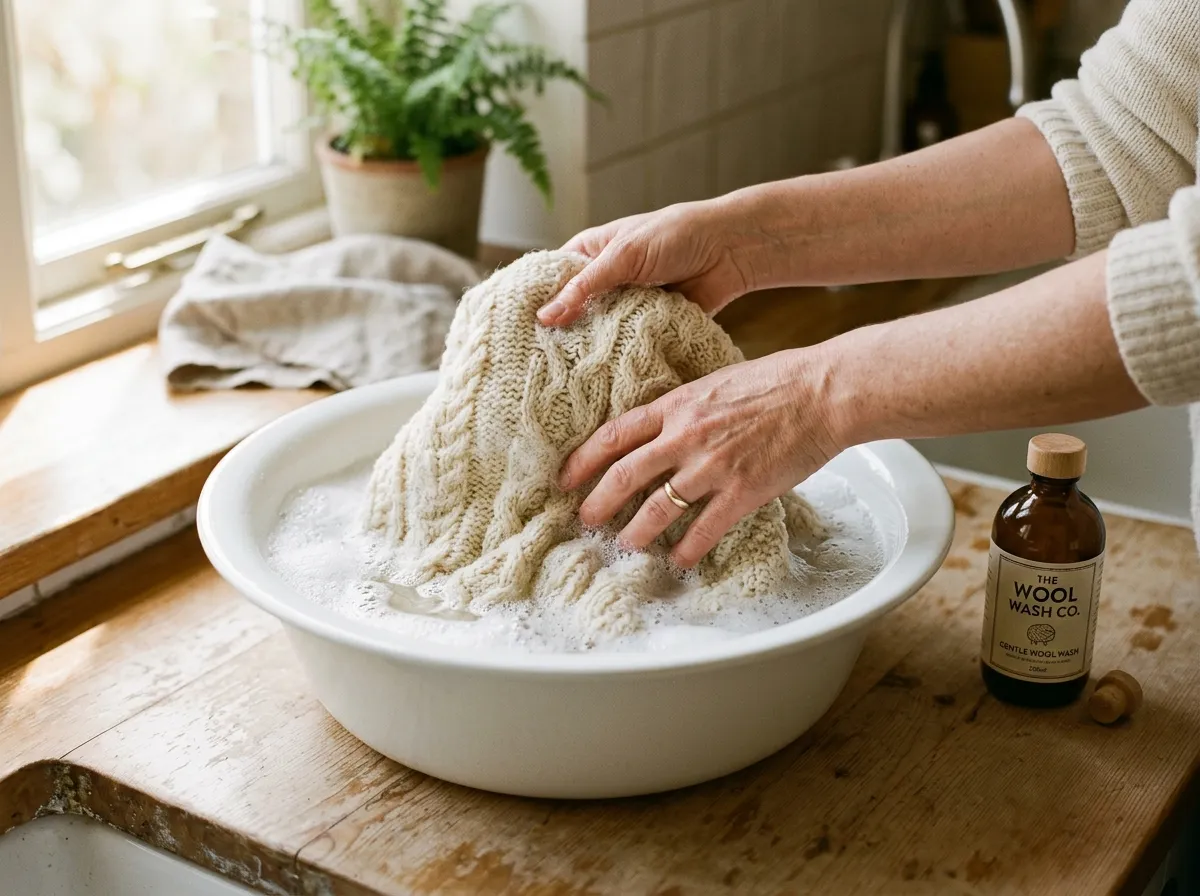
The solution is simple: minimize agitation. Hand washing with gentle swishing is the safest method. If you must use a machine, use the hand wash or delicate cycle with cold water and place the garment in a mesh laundry bag. But even the gentlest machine cycle involves more agitation than hand washing, so truly delicate items (fine-gauge cashmere, lace, antique textiles) should always be hand washed.
The 4 Best Non-Toxic Wool and Delicates Washes
1. Eucalan Fine Fabric Wash (Best Overall)
Price: ~$14 for 16.9 oz | Buy on Amazon
Eucalan has been the go-to wool wash in the knitting and fiber arts community for years, and for good reason. It is a no-rinse formula, meaning you soak the garment, gently squeeze out water, and lay flat to dry without a separate rinse step. This reduces handling (less agitation) and saves water.
The formula contains lanolin, which conditions wool fibers with each wash. After a few washes with Eucalan, wool garments noticeably feel softer and more supple than they did when washed with regular detergent. The lanolin also helps restore a degree of water resistance to wool.
Eucalan is available in several scents (eucalyptus, lavender, grapefruit, jasmine) and an unscented version. The scented versions use essential oils and natural fragrance compounds. If you are sensitive to any scent, go with the unscented “Wrapture” version.
The pH is balanced in the 6-7 range, which is safe for all protein fibers. It is biodegradable, free of synthetic fragrance and optical brighteners, and free of the common preservatives that cause skin sensitization.
How to use:
- Fill a basin with cool to lukewarm water (below 85 degrees F)
- Add 1 teaspoon of Eucalan per gallon of water
- Submerge the garment and gently press it into the water
- Soak for 15 minutes
- Gently squeeze out excess water (do not wring)
- Roll in a clean towel to absorb moisture
- Lay flat on a drying rack or dry towel to dry
- No rinsing needed
Pros:
- No-rinse formula reduces handling and agitation
- Contains lanolin to condition wool fibers
- pH-balanced for protein fibers
- Trusted by professional knitters and fiber artists
- Unscented version available
- Biodegradable
Cons:
- Scented versions contain natural fragrance compounds
- Not EWG Verified (though ingredients are clean)
- Slightly more expensive than DIY options
Best for: Wool, cashmere, mohair, angora, alpaca, silk, and any delicate protein fiber.
2. Soak Wash (Best No-Rinse)
Price: ~$15 for 12 oz | Buy on Amazon
Soak is another no-rinse formula beloved by the knitting community. The concept is the same as Eucalan: soak, squeeze, dry. No rinsing, no agitation, no fuss.
The formula is pH-neutral, biodegradable, and phosphate-free. It does not contain lanolin (unlike Eucalan), so it will not add conditioning oils back to wool fibers. This is actually a preference thing rather than a flaw. Some people prefer a cleaner, lighter feel on their wool without any added lanolin, and Soak delivers that.
Soak is available in several scents (Fig, Celebration, Lacey, Pineapple Grove) and an unscented version called “Scentless.” The scented versions contain fragrance, so if you are avoiding all fragrance exposure, use Scentless.
One thing I appreciate about Soak is how gentle the cleaning action is. For extremely delicate items like antique lace, heirloom knits, or garments with beading, Soak cleans without any risk of mechanical or chemical damage.
Pros:
- No-rinse formula
- pH-neutral
- Extremely gentle
- Unscented version available
- Biodegradable and phosphate-free
Cons:
- No lanolin conditioning
- Scented versions contain fragrance (not fully disclosed)
- Smaller bottle for the price compared to Eucalan
- Less effective on heavily soiled garments
Best for: Extremely delicate items, heirloom textiles, lace, and anyone who prefers a lanolin-free wash.
3. The Laundress Wool & Cashmere Shampoo (Best Luxury, With Caveats)
Price: ~$22 for 16 oz | Buy on Amazon
The Laundress makes beautifully packaged, well-performing laundry products that have built a loyal following. Their Wool & Cashmere Shampoo cleans effectively, smells pleasant (a light cedar scent), and leaves wool and cashmere feeling soft and well-cared for.
Now for the caveats, because there are several.
In 2022, The Laundress issued a voluntary recall of most of its product line due to potential bacterial contamination (Pseudomonas and Burkholderia). This was a significant safety issue, and while the company has since reformulated and resumed production, the recall shook consumer trust. If you are buying The Laundress products now, they should be post-recall formulations, but it is worth being aware of the history.
The ingredient list includes fragrance. The Laundress uses a blend of essential oils and fragrance compounds for their signature scents. They do not fully disclose every fragrance ingredient. For people with chemical sensitivities or those who follow Dr. Shanna Swan’s research on fragrance chemicals and phthalates, this is a concern. The Laundress has stated that their products are phthalate-free, but without full fragrance disclosure, independent verification is not possible.
The formula does clean well. It is pH-balanced for protein fibers, does not contain chlorine bleach or phosphates, and leaves garments feeling noticeably nice. The cedar scent is subtle and pleasant if you tolerate fragrance.
Pros:
- Good cleaning performance
- pH-balanced for delicates
- Pleasant scent (if you tolerate fragrance)
- Nice packaging and brand experience
Cons:
- 2022 recall history (bacterial contamination)
- Contains undisclosed fragrance compounds
- Most expensive option on this list
- No unscented version available
- Not EWG Verified
Best for: People who value brand experience and scent, tolerate fragrance, and are aware of the recall history.
4. Dr. Bronner’s Castile Soap, Diluted (Best Budget DIY)
Price: ~$16 for 32 oz (lasts many months) | Buy on Amazon
Dr. Bronner’s Pure Castile Soap is a staple in the non-toxic household, and it works as a gentle wool wash when properly diluted. The key word is “properly.” Undiluted castile soap is too concentrated for delicates. You need about 1 teaspoon per gallon of cool water, which gives you a very mild, slightly alkaline wash.
Castile soap is made from plant oils (olive, coconut, hemp, and jojoba in Dr. Bronner’s formula) and has a pH around 9 when undiluted. That is too high for protein fibers. But when diluted 1:10 or more in water, the effective pH drops significantly, bringing it into an acceptable range for occasional wool washing.
The unscented “Baby Unscented” version is the cleanest option. Other versions (peppermint, lavender, tea tree) contain essential oils, which are fine for most people but not for those with fragrance sensitivities.
I would not use diluted castile soap as my primary wool wash for expensive cashmere or heirloom knits. For those, Eucalan or Soak is the better choice. But for everyday wool items, scarves, and less precious delicates, diluted Dr. Bronner’s works well and costs almost nothing per wash.
Important note: Castile soap can react with hard water and leave a film. If you have hard water, add a tablespoon of white vinegar to the rinse water to prevent residue.
Pros:
- Very affordable per wash
- Transparent, short ingredient list
- Available everywhere
- Multi-purpose (not just for wool)
- Unscented version available
Cons:
- Needs to be properly diluted (too concentrated out of the bottle)
- No lanolin conditioning
- Can leave a film in hard water areas
- Slightly alkaline even when diluted (not ideal for the most delicate items)
- Requires a rinse step (unlike no-rinse formulas)
Best for: Budget-conscious households, everyday wool and delicate items, people who already own Dr. Bronner’s.
How to Wash Specific Delicate Fabrics
Wool Sweaters and Cardigans
- Fill a clean basin with cool water (below 85 degrees F)
- Add your chosen wool wash
- Turn the garment inside out
- Submerge and gently press into the water
- Soak for 15-30 minutes (no agitation)
- Lift out and gently squeeze water out (never wring)
- Lay flat on a clean, dry towel
- Roll the towel to press out more water
- Reshape the garment on a flat drying rack
- Dry flat, away from direct heat or sunlight
Never hang a wet wool sweater. The water weight will stretch it permanently.
Cashmere
Follow the same method as wool, but with extra gentleness. Cashmere fibers are finer and more delicate than regular wool. Use the least amount of product possible, handle the garment minimally while wet, and always dry flat.
Cashmere actually improves with hand washing. The fibers bloom slightly after gentle washing, which is why well-cared-for cashmere gets softer over time. If your cashmere feels rough, it may be because it has been dry cleaned with harsh solvents rather than properly hand washed. Check our dry cleaning alternatives guide for more on this.
Silk
Silk can be hand washed in cool water with a pH-neutral wash. Here are the silk-specific tips:
- Test colorfastness first (dampen a hidden area and press with a white cloth)
- Use cool water only (warm water can cause dye bleeding)
- Never wring or twist silk
- Do not soak for more than 5-10 minutes
- Roll in a towel and press gently to remove water
- Hang to dry or lay flat (silk dries quickly)
- Iron while slightly damp on a low setting if needed (or steam)
Silk is a protein fiber like wool, so pH matters here too. Avoid regular detergent, which is too alkaline.
Lace and Antique Textiles
For extremely delicate or antique items:
- Place the item in a mesh laundry bag or pillowcase
- Fill a basin with cool water and a very small amount of Soak or Eucalan
- Submerge and let soak without any agitation at all
- Lift out in the bag/pillowcase to support the weight
- Press gently between towels
- Dry flat on a clean towel
For items with sentimental or monetary value, consider consulting a textile conservator.
Storing Wool and Delicates
Proper storage reduces how often you need to wash and protects garments between seasons.
- Clean before storing. Moths are attracted to body oils and food residue, not to clean wool itself. Always wash items before putting them in seasonal storage.
- Use cedar or lavender sachets as natural moth deterrents (they are not 100% effective but help)
- Store in breathable containers (cotton bags, acid-free tissue) rather than sealed plastic, which can trap moisture
- Fold knits rather than hanging them to prevent stretching
- Keep in a cool, dark, dry place away from direct sunlight
For more tips on maintaining a non-toxic wardrobe and home, our complete guide to detoxing your home covers every area.
What People Ask
Can I use regular laundry detergent on wool if I wash on cold?
Cold water helps prevent felting, but the pH of regular detergent is still too high for wool. Over time, alkaline detergent strips lanolin, roughens the cuticle, and weakens the fiber. You might get away with it once or twice, but repeated use will degrade your wool garments. A pH-balanced wool wash is worth the small investment, especially if you own quality wool or cashmere. Use a good non-toxic laundry detergent for your regular loads and a dedicated delicates wash for protein fibers.
What does “no-rinse” mean? Is it really clean?
No-rinse wool washes like Eucalan and Soak are formulated to leave minimal residue. The active cleaning agents are used in such small concentrations that they do not need to be rinsed out. The small amount of product left in the fibers is designed to be beneficial (like the lanolin in Eucalan). Think of it like a gentle shampoo with conditioner built in. Professional knitters and fiber artists have been using no-rinse washes for decades with excellent results.
How often should I wash wool sweaters?
Less often than you think. Wool is naturally antimicrobial and odor-resistant. A wool sweater worn over a shirt can go 5-10 wearings between washes, or even longer if it does not smell or have visible soil. Between washes, air it out on a hanger for 24 hours, spot clean any marks, and steam if needed. Overwashing is the number one cause of premature wear in wool garments.
Is The Laundress safe to use after the 2022 recall?
The Laundress reformulated and implemented new quality control measures after the recall. Products currently on shelves should be the post-recall formulations. However, the recall did reveal gaps in the company’s manufacturing and quality control processes. If you are comfortable with the brand, the current products clean well. If the recall concerns you, Eucalan and Soak are equally effective alternatives with clean track records.
Can I use wool wash in a washing machine?
Yes, but only on a hand wash or delicate cycle with cold water. Place the garment in a mesh laundry bag, use the recommended amount of wool wash, and select the gentlest cycle available. Avoid the spin cycle if possible (or use the lowest spin setting). Hand washing is always the safest option for valuable or delicate items, but machine washing on a gentle cycle is fine for everyday wool items like socks, scarves, and casual sweaters.
What We Suggest
Your wool, cashmere, and silk deserve better than regular laundry detergent, and they deserve better than conventional delicates washes packed with fragrance and questionable preservatives. Eucalan is the best all-around choice for its no-rinse convenience, lanolin conditioning, and clean ingredient list. Soak is excellent for the most delicate items. Dr. Bronner’s diluted works in a pinch if you are on a budget.
The most important thing is matching the pH of your wash to the needs of protein fibers. Get that right, minimize agitation, and dry flat, and your delicates will last for years. Pair a good wool wash with the right laundry routine for the rest of your clothes, and you have covered the full spectrum of fabric care without a single harsh chemical.
This article was independently researched and written by NonToxicLab. We are not sponsored by any brand mentioned. Some links are affiliate links, meaning we may earn a small commission at no extra cost to you. This helps support our research and keeps the site running. See our full affiliate disclosure for details.
Sources
- The Woolmark Company. Technical guidelines for wool care and pH requirements.
- Eucalan product documentation and ingredient disclosures.
- U.S. Consumer Product Safety Commission. The Laundress voluntary recall notice (2022).
- Swan, S.H. Research on endocrine-disrupting chemicals in consumer products, Icahn School of Medicine at Mount Sinai.
- Textile Research Journal. Studies on the effects of pH on protein fiber integrity.
- International Wool Textile Organisation (IWTO). Wool care guidelines and fiber science.