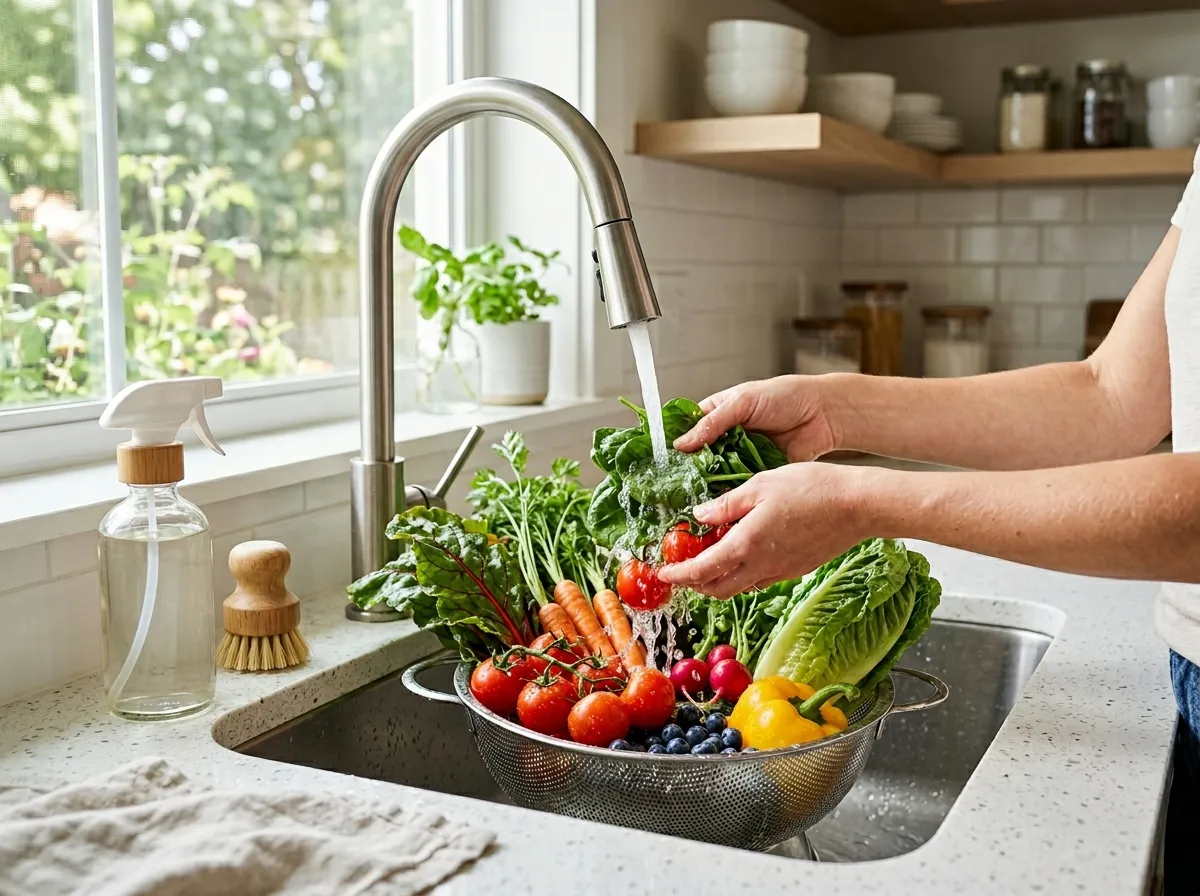
The best non-toxic way to wash produce is to rinse it under cold running water for 30 seconds while gently rubbing the surface. For extra pesticide residue removal, a vinegar or baking soda soak adds a measurable benefit. You don’t need expensive commercial sprays, but some are genuinely useful for convenience.
That’s the short version. Below, I’ll walk through exactly what the research says, which DIY methods actually hold up, and which store-bought produce washes are worth the money.
What the FDA Actually Recommends
The FDA’s guidance on washing produce is surprisingly simple. They recommend rinsing all fruits and vegetables under plain running water before eating, cutting, or cooking. No soap. No commercial wash. Just water.
Here are the FDA’s specific guidelines:
- Wash your hands for 20 seconds with soap and water before handling produce.
- Rinse produce under running water before peeling or cutting. This prevents dirt and bacteria from transferring from the outside to the inside.
- Rub firm produce like apples and potatoes while rinsing, or use a clean vegetable brush.
- Dry produce with a clean cloth or paper towel to further reduce surface bacteria.
- Don’t use soap, detergent, or bleach on produce. These products aren’t designed for food contact and can leave residues.
That’s the baseline. And for basic food safety (reducing bacteria and dirt), plain running water does a solid job. But the FDA’s guidelines were written primarily with food safety (bacteria, dirt) in mind. They don’t specifically address pesticide residue removal, which is where things get more interesting.
Does Vinegar Actually Work? (Yes, and Here’s the Research)
If you’ve ever seen the advice to wash produce with vinegar, you might have wondered whether it’s an old wives’ tale or something backed by actual data. It’s the latter.
Research published in the Journal of Food Protection found that a solution of three parts water to one part white vinegar significantly reduced bacteria on produce surfaces compared to water alone. Separate studies on pesticide residue have shown that vinegar solutions can break down and remove certain pesticide compounds that water rinses leave behind.
The acetic acid in vinegar helps dissolve some of the waxy coatings and chemical residues that cling to produce surfaces. It’s not a magic bullet that removes 100% of everything, but the difference between a vinegar wash and water alone is consistent and measurable across multiple studies.
How to Make a Vinegar Produce Wash
- Ratio: Mix 1 part white distilled vinegar to 3 parts cold water in a clean bowl or spray bottle.
- Soak method: Submerge produce for 5 to 10 minutes. Swirl occasionally. Rinse under running water afterward.
- Spray method: Spray the solution directly onto fruits and vegetables. Let sit for 30 seconds. Rinse under running water.
- Best for: Firm fruits and vegetables like apples, bell peppers, grapes, and cucumbers.
- Skip it for: Delicate berries and leafy greens can absorb vinegar flavor. Use the baking soda method for those instead (more on that below).
One concern people raise is whether produce will taste like vinegar. If you rinse thoroughly under running water after the soak, you won’t notice any flavor. I’ve been doing this for years and have never had a vinegar-flavored strawberry.
The Baking Soda Soak Method (What the Research Shows)
Baking soda might be the single most effective household ingredient for removing pesticide residues from produce. A 2017 study from the University of Massachusetts, published in the Journal of Agricultural and Food Chemistry, found that soaking apples in a baking soda solution for 12 to 15 minutes removed significantly more pesticide residue than either a standard water rinse or a commercial bleach solution used by the produce industry.
The sodium bicarbonate in baking soda works by breaking down the chemical bonds of certain pesticide compounds, particularly organophosphate and carbamate pesticides. It’s also mildly abrasive, which helps physically dislodge residues from the surface.
How to Make a Baking Soda Produce Soak
- Ratio: Mix 1 teaspoon of baking soda per 2 cups of cold water.
- Soak time: 12 to 15 minutes for the full effect, though even 2 minutes offers measurable improvement over plain water.
- Rinse: Always rinse thoroughly under running water after soaking.
- Best for: Apples, pears, tomatoes, leafy greens, berries, grapes, and anything on the EWG’s Dirty Dozen list.
The key finding from the UMass study is that baking soda was able to degrade some pesticides that had penetrated slightly below the skin surface. Plain water and the commercial wash in the study only addressed surface residues. That’s a meaningful difference if reducing pesticide exposure is your goal.
According to NonToxicLab, the baking soda soak is the best bang for your buck when it comes to non-toxic produce washing. It costs almost nothing, uses a single pantry ingredient, and has the strongest research backing of any home method.
Do Commercial Produce Washes Work Better Than DIY?
This is where things get a bit complicated. Commercial produce washes are marketed as superior alternatives to water, and some do perform well. But the research on whether they outperform a simple vinegar or baking soda solution is mixed.
A study from the Connecticut Agricultural Experiment Station tested several commercial produce washes against running water and found that the commercial products did not significantly outperform a thorough water rinse for removing pesticide residues. Some products performed about the same as water.
That said, more recent commercial formulations have improved. And there’s a real convenience factor. Not everyone wants to mix baking soda solutions or keep a spray bottle of vinegar next to the sink. If a commercial spray gets you to actually wash your produce consistently, it’s worth the money.
See how the methods generally stack up:
| Method | Pesticide Removal | Bacteria Removal | Cost | Convenience |
|---|---|---|---|---|
| Plain running water | Good | Good | Free | Easiest |
| Vinegar solution (1:3) | Better | Better | Very low | Easy |
| Baking soda soak | Best (with time) | Good | Very low | Moderate |
| Commercial produce wash | Good to Better | Good to Better | Moderate | Easy |
Best Produce Washes and Tools (Product Picks)
If you’d rather grab a ready-made option, here are the commercial produce washes that are actually worth considering.
Eat Cleaner Produce Wash
Eat Cleaner is one of the more established brands in this space. Their spray is made from plant-based ingredients and is free from synthetic fragrances and harsh chemicals. It’s designed to remove wax, dirt, and surface residues. It comes in both a spray bottle and a powder form for soaking. The ingredients list is short and recognizable, which matters when you’re spraying something on food you’re about to eat.
Best for: People who want a grab-and-go spray without mixing anything.
Environne Fruit and Vegetable Wash
Environne uses a citrus-based formula that works as both a spray and a soak. It’s fragrance-free and doesn’t leave a noticeable taste. The formula is designed to break down wax coatings and surface chemicals. It rinses clean without residue.
Best for: Removing waxy coatings from apples and cucumbers.
Veggie Wash by Citrus Magic
Veggie Wash has been around for a long time and uses a formula derived from citrus, corn, and coconut. It’s a no-frills option that’s widely available in grocery stores. It works fine for surface cleaning, though it’s not dramatically different from a vinegar solution in terms of results.
Best for: Budget-friendly option you can find in most stores.
Fit Organic Produce Wash
Fit Organic is USDA-certified organic and uses ingredients like oleic acid (from olive oil), glycerin, and baking soda. If having the organic certification matters to you, this is the go-to pick. It works well as a spray-and-rinse product.
Best for: People who want a certified organic option.
DIY Vinegar Spray (Best Value)
Honestly, a homemade spray bottle with 1 part vinegar to 3 parts water does 90% of what the commercial products do at a fraction of the cost. Keep it by the sink, spray produce when you bring it home, rinse, and dry. According to NonToxicLab, this is the method we come back to most often because it’s cheap, effective, and takes 30 seconds.
Best for: Anyone who doesn’t mind a simple DIY approach.
Don’t Forget the Tools
A good vegetable brush makes a real difference for firm produce. Look for one with natural bristles (coconut fiber or sisal) rather than plastic. A stainless steel colander is better than plastic for rinsing produce, since plastic colanders can shed microplastics over time, especially when exposed to hot water.
The EWG Dirty Dozen: Which Produce Has the Most Pesticide Residue
Environmental Working Group (EWG) publishes their Dirty Dozen list annually, ranking the fruits and vegetables with the highest levels of pesticide residue. These are the items where thorough washing matters most.
The Dirty Dozen consistently includes:
- Strawberries
- Spinach
- Kale, collard, and mustard greens
- Grapes
- Peaches
- Pears
- Nectarines
- Apples
- Bell and hot peppers
- Cherries
- Blueberries
- Green beans
These rankings shift slightly year to year, so check the EWG’s latest report for the current list. The point is this: if you’re going to invest extra effort in washing produce, start with the items on this list. A baking soda soak for your strawberries, spinach, and apples will go further than spending time scrubbing bananas (which you peel anyway).
This EWG also publishes a Clean Fifteen list of produce with the lowest pesticide residues. Items like avocados, sweet corn, pineapples, and onions typically have much less residue, partly because of their thicker skins.
How to Remove Wax Coatings from Apples and Cucumbers
That shiny, waxy layer on grocery store apples isn’t dirt. It’s an intentional food-grade wax coating applied after harvest to reduce moisture loss, improve shelf life, and make the fruit look more appealing. Cucumbers, bell peppers, citrus fruits, and some other produce get similar treatments.
The waxes used are generally considered safe for consumption. They include carnauba wax (from palm leaves), shellac (from lac bugs), and sometimes petroleum-based waxes. While these are FDA-approved for food use, many people prefer to remove them, especially since wax coatings can trap pesticide residues underneath.
How to Remove Produce Wax
- Hot water scrub: Hold the apple or cucumber under hot (not boiling) tap water while scrubbing with a vegetable brush for 30 seconds. The warm water softens the wax.
- Baking soda paste: Make a paste of baking soda and water. Rub it over the waxy surface, let it sit for a minute, then scrub and rinse.
- Vinegar soak: A 1:3 vinegar-to-water soak for 5 minutes helps break down wax coatings. Follow with a scrub and rinse.
- Lemon juice: Rubbing a cut lemon over waxy produce and scrubbing can help dissolve the coating. The citric acid acts as a natural solvent.
- Commercial produce wash: Products like Environne and Eat Cleaner are specifically formulated to break down wax coatings.
After removing wax, produce will lose moisture faster. Plan to eat de-waxed fruits and vegetables within a few days, or store them in glass or stainless steel containers with a damp cloth to maintain freshness.
Does Organic Produce Still Need Washing?
Yes. Always wash organic produce. This is a common misconception that trips people up.
Organic certification means the produce was grown without synthetic pesticides, but it doesn’t mean the food is free from all residues. This is what can still be on organic produce:
- Dirt and soil particles. Organic farming doesn’t eliminate dirt.
- Bacteria. E. coli, Salmonella, and Listeria don’t care about organic certification. These organisms come from soil, water, animal contact, and handling during harvest and transport.
- Approved organic pesticides. Organic farming does use pesticides. They’re derived from natural sources (like copper sulfate, pyrethrin, and neem oil), but they’re still chemicals that you probably don’t want to eat.
- Cross-contamination. Organic produce can pick up residues from neighboring conventional farms through wind drift and shared water sources.
What makes the washing methods described above work the same way for organic and conventional produce. a quick rinse under running water is the minimum. a vinegar spray or baking soda soak adds an extra layer of cleaning.
Is Tap Water Good Enough for Washing Produce?
Plain tap water is effective for removing surface dirt, many bacteria, and some pesticide residues. For most people, it’s a perfectly fine starting point. But there’s an irony worth mentioning.
If your tap water contains contaminants like chlorine byproducts, PFAS, or heavy metals, you’re introducing those to your produce while trying to clean it. The water itself becomes a variable.
This is one more reason we recommend a good water filter for your kitchen. Using filtered water for both drinking and produce washing removes that variable from the equation. If you’re on well water or live in an area with known water quality issues, filtered water for produce washing is a smart move.
For a deeper look at what’s in your tap water and how to address it, check out our guides on microplastics in drinking water and how to detox your home.
Step-by-Step: The Best Non-Toxic Produce Washing Routine
Here’s the routine that balances thoroughness with practicality. You don’t need to do all of this for every piece of produce, but it gives you a framework.
For Firm Fruits and Vegetables (Apples, Potatoes, Cucumbers, Peppers)
- Rinse under cold running water for 15 to 30 seconds.
- Scrub with a vegetable brush while rinsing.
- For extra cleaning, spray with a vinegar solution or soak in baking soda water for 2 to 5 minutes.
- Rinse again under running water.
- Dry with a clean cloth or paper towel.
For Delicate Produce (Berries, Grapes, Cherry Tomatoes)
- Place in a colander (stainless steel, not plastic).
- Rinse gently under cold running water, turning the colander to expose all sides.
- For extra cleaning, soak in baking soda water (1 tsp per 2 cups) for 2 to 5 minutes.
- Rinse gently again.
- Spread on a clean towel to air dry. Pat gently if needed.
For Leafy Greens (Lettuce, Spinach, Kale)
- Separate leaves and discard any that are wilted or damaged.
- Fill a clean bowl with cold water and add 1 teaspoon of baking soda per 2 cups of water.
- Submerge leaves and swirl gently. Let soak for 2 to 5 minutes.
- Lift leaves out (don’t pour through a colander, which pushes dirt back onto them).
- Rinse each leaf under running water.
- Dry in a salad spinner or on a clean towel.
For Thick-Skinned Produce You’ll Peel (Bananas, Oranges, Avocados, Melons)
- Rinse briefly under running water.
- Scrub melons and avocados with a brush. Their rough skin can harbor bacteria that transfers to the flesh when you cut through it.
- Dry before cutting.
This last point is one people overlook. When you slice a cantaloupe without washing it, the knife drags surface bacteria straight through the fruit. A quick scrub and rinse before cutting prevents that.
A Note on Your Overall Non-Toxic Kitchen
Washing produce is one piece of a larger puzzle. If you’re working on reducing chemical exposure in your kitchen, there are a few other areas worth thinking about alongside your produce washing routine.
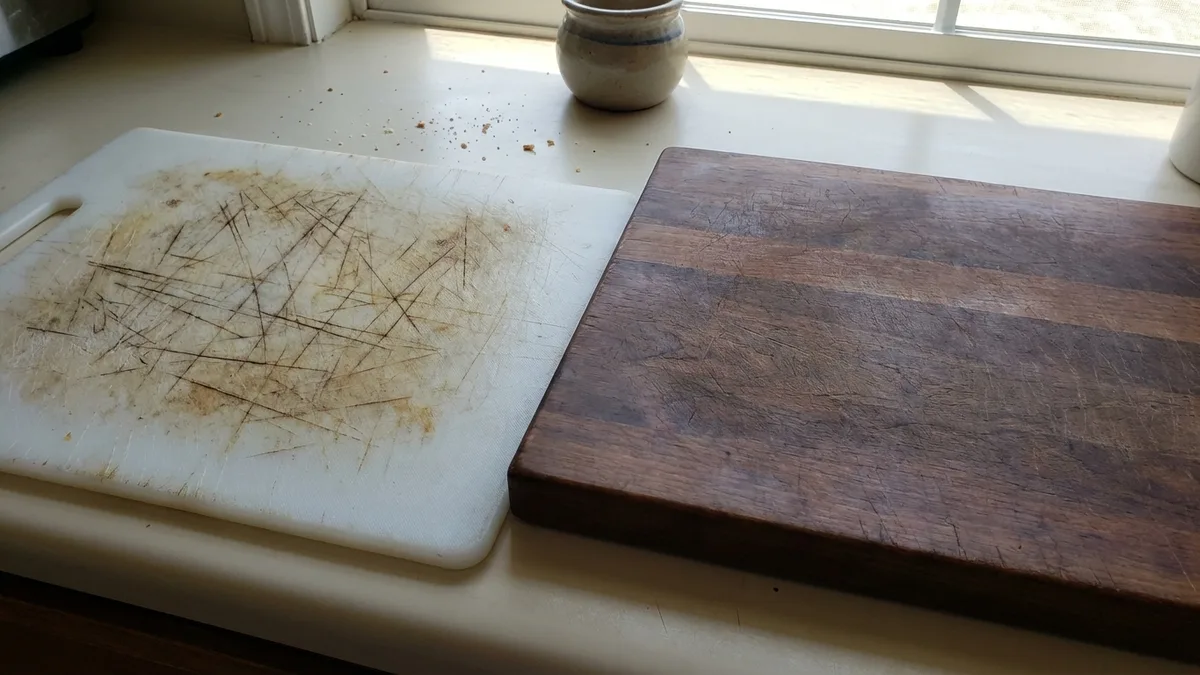
The cutting board you prep on matters. Plastic boards can shed microplastic particles, especially as they get scratched up. Wood and bamboo are better choices.
How you store washed produce matters, too. Non-toxic food storage containers and food wraps keep your clean produce from picking up chemicals from plastic containers.
And if you’re doing a broader kitchen overhaul, our non-toxic kitchen complete guide covers cookware, bakeware, appliances, and everything else in one place. For whole-home detoxing beyond the kitchen, check out our non-toxic cleaning products guide.
What People Ask
Can I use dish soap to wash fruits and vegetables?
No. The FDA specifically recommends against using soap, detergent, or commercial cleaning products on produce. These products aren’t designed for food contact and can leave residues that aren’t safe to eat. Stick to water, vinegar, or baking soda.
Does rinsing remove all pesticides from produce?
No single method removes 100% of pesticide residues. Some pesticides are systemic, meaning they’re absorbed into the plant’s tissue and can’t be washed off at all. Washing removes surface residues, and methods like baking soda soaking can remove some residues that have penetrated just below the skin. But complete removal isn’t realistic with any washing method.
How long should I soak produce in baking soda?
Research from the University of Massachusetts found that 12 to 15 minutes produced the best results for pesticide removal. However, even a 2-minute soak showed measurable improvement over a plain water rinse. If you don’t have 15 minutes, a shorter soak is still worthwhile.
Are produce washes worth buying?
It depends on your priorities. Research suggests that commercial produce washes don’t dramatically outperform a DIY vinegar or baking soda wash in terms of pesticide removal. But they’re convenient, and if having a ready-made spray on your counter means you’ll actually wash your produce consistently, that consistency matters more than the method.
Should I wash pre-washed salad greens?
Fda says that pre-washed greens labeled “ready-to-eat” or “triple-washed” don’t need additional washing. Re-washing can actually increase the risk of cross-contamination from your sink and hands. If the package says pre-washed, you can use it as-is.
Does soaking produce in salt water work?
Salt water soaks are sometimes recommended, but the research support isn’t as strong as it is for vinegar or baking soda. Salt water can help remove insects and some surface contaminants, but it’s less effective at breaking down pesticide residues. If you’re going to soak, baking soda is the better choice based on available evidence.
You Might Also Like
Sources
- FDA: Selecting and Serving Produce Safely - Official guidance on produce handling and washing.
- University of Massachusetts (2017): Yang, T., et al. “Effectiveness of Commercial and Homemade Washing Agents in Removing Pesticide Residues on and in Apples.” Journal of Agricultural and Food Chemistry, 2017. - Baking soda soak study.
- Connecticut Agricultural Experiment Station: Krol, W.J., et al. “Reduction of Pesticide Residues on Produce by Rinsing.” - Study comparing commercial washes to water.
- EWG: Dirty Dozen and Clean Fifteen - Annual pesticide residue rankings for produce.
- Journal of Food Protection: Multiple studies on vinegar efficacy for reducing bacteria and pesticide residues on produce surfaces.