Your drinking water contains plastic. Tap water, bottled water, filtered water from your refrigerator door. All of it. The question is how much, what it’s doing to your body, and what you can actually do about it.
A January 2024 study from Columbia University found an average of 240,000 detectable plastic fragments per liter of bottled water. Ninety percent of those particles were nanoplastics, particles so small they can cross from your gut into your bloodstream and reach your brain. That number was 10 to 100 times higher than previous estimates, which had only measured larger microplastic particles.
Here’s what you need to know about microplastics in drinking water right now, and the specific filters proven to remove them.
How Many Microplastics Are in Your Water?
The short answer: it depends on the source, the testing method, and the particle size being measured. But the research consistently shows plastic is present in both tap and bottled water.
Tap water contains anywhere from 0 to 61 microplastic particles per liter, depending on the study and location. A 2024 UK study published in Science of the Total Environment found an average of 40 microplastic particles per liter in tap water samples. Research from Penn State measured roughly 5.5 particles per liter, while a Chinese study found 50 particles per liter.
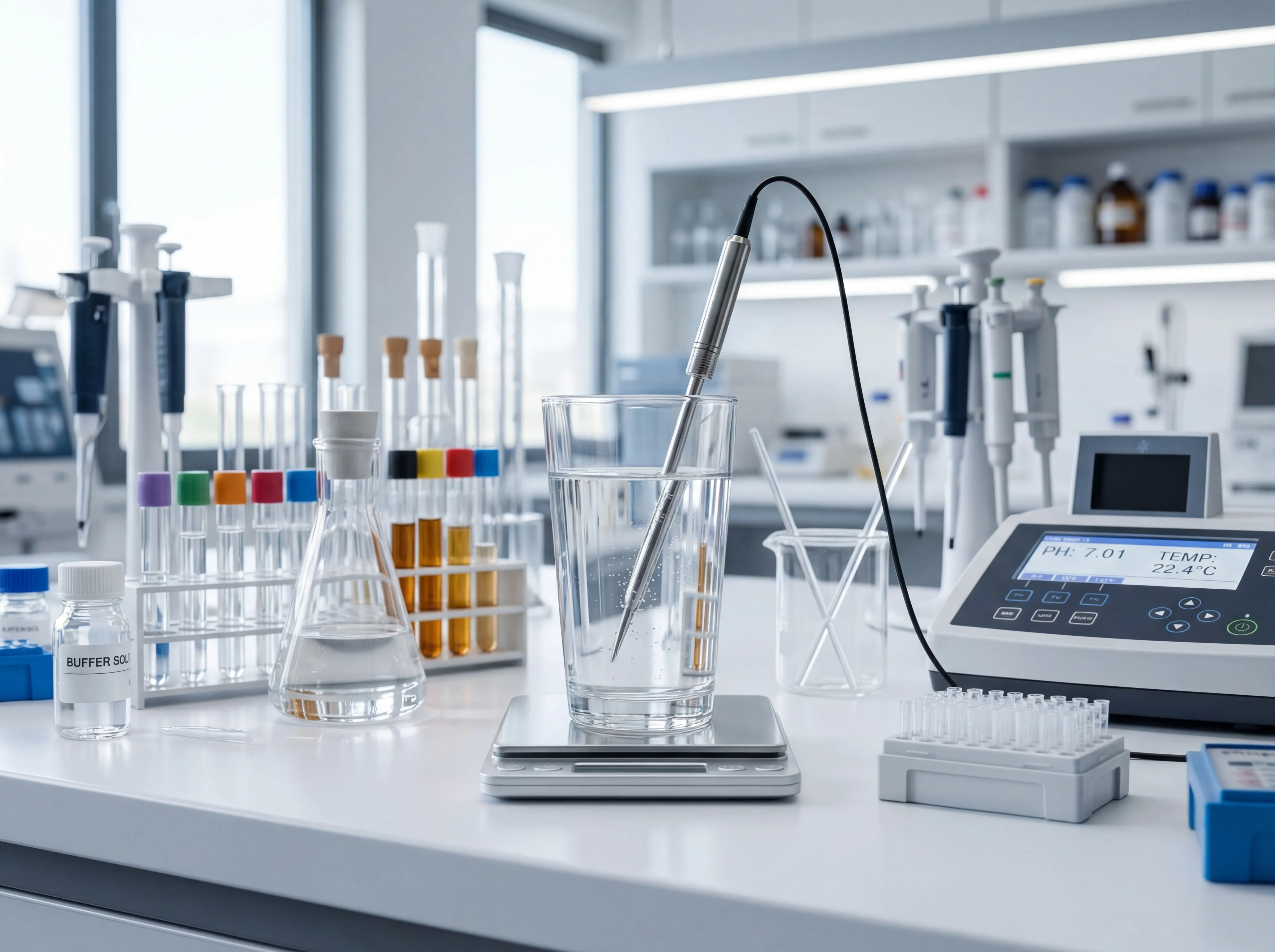
Bottled water typically contains more. The same Penn State analysis found 325 particles per liter in bottled water. The Chinese study measured 72. And when Columbia University researchers used stimulated Raman scattering microscopy (a laser-based technique that can detect much smaller particles), they found 110,000 to 370,000 particles per liter, with the vast majority being nanoplastics invisible to older detection methods.
The wide range in these numbers reflects a measurement problem, not a contradiction. Older studies using optical microscopy could only detect particles larger than a few micrometers. Newer techniques reveal that for every microplastic particle you can see, there may be hundreds of thousands of smaller nanoplastic particles hiding alongside it.
Why Bottled Water Is Worse
Bottled water consistently tests higher for microplastics than tap water, and the reason is straightforward: the plastic bottle itself is a source. Water sits in polyethylene terephthalate (PET) containers during manufacturing, shipping, and storage, sometimes for months. Heat, sunlight, and even the carbonation process accelerate the breakdown of plastic into micro and nano-sized fragments.
A January 2026 study published in Physics of Fluids identified another mechanism: microbubbles in water can create tiny abrasions on the inner walls of plastic containers, releasing additional microplastic particles into the liquid. Every time you pour water from a plastic bottle, the physical interaction between the water and the container walls generates new particles.
This doesn’t mean tap water is clean. Municipal water treatment plants were never designed to filter out particles this small. But if you’re choosing between the two, tap water filtered at home is the better starting point.
What Are Microplastics and Nanoplastics?
Microplastics are plastic fragments smaller than 5 millimeters. That includes everything from visible plastic specks down to particles just 1 micrometer across. Nanoplastics are even smaller, measuring less than 1 micrometer (1,000 nanometers). For reference, a human hair is about 70 micrometers wide. The smallest nanoplastics are hundreds of times thinner than that.
The most common types found in drinking water include:
- Polyethylene (PE): Used in plastic bags, bottles, and packaging. The most frequently detected plastic in arterial plaque, according to the 2024 NEJM study.
- Polypropylene (PP): Found in bottle caps, food containers, and straws.
- Polyethylene terephthalate (PET): The plastic used in most water bottles and soda bottles.
- Polystyrene (PS): Used in foam packaging and disposable cups.
- Polyvinyl chloride (PVC): Found in pipes, including some water supply infrastructure.
- Nylon and polyester fibers: Shed from synthetic clothing during washing.
The size distinction matters because it determines what happens in your body. Microplastics larger than 150 micrometers generally pass through the digestive tract and are excreted. Smaller microplastics can embed in gut tissue. Nanoplastics can pass through cell membranes, enter the bloodstream, and accumulate in organs.
Health Effects: What the Research Shows
The science on microplastics and human health has moved fast since 2023. While researchers still can’t draw a straight causal line from “plastic particles in water” to specific diseases in large populations, the evidence is stacking up in a troubling direction.
Cardiovascular Disease
The most significant human study to date was published in the New England Journal of Medicine in March 2024. Researchers led by Raffaele Marfella at the University of Campania Luigi Vanvitelli studied 304 patients undergoing carotid endarterectomy (surgery to remove plaque from neck arteries). They analyzed the removed plaque for microplastics and nanoplastics, then followed the patients for an average of 34 months.
The results: 58.4% of patients had polyethylene in their arterial plaque. Patients with detectable microplastics and nanoplastics in their plaque had a 4.5 times higher risk of heart attack, stroke, or death compared to patients without plastic in their plaque. A November 2025 follow-up mouse study confirmed that microplastics can directly drive plaque buildup in arteries.
The study has limitations. It doesn’t prove microplastics caused the cardiovascular events, and other confounding factors may be involved. But it’s the strongest evidence yet of a connection between plastic accumulation in human tissue and serious health outcomes.
Brain Accumulation
In February 2025, University of New Mexico researchers published findings in Nature Medicine showing that human brain tissue contains significantly higher concentrations of microplastics than other organs. The study compared brain samples from autopsies performed in 2016 and 2024, finding that microplastic concentrations in the brain increased by 50% over those eight years.
The brain samples contained roughly 4,800 micrograms of microplastic per gram of tissue. For context, CNN reported this is equivalent to about a full teaspoon of plastic per brain. Nanoplastics are small enough to cross the blood-brain barrier, and a 2025 study in Science Advances showed that microplastics in the bloodstream can induce cerebral thrombosis (blood clots in the brain) by physically obstructing cells in blood vessels.
Reproductive Health
Microplastics have been detected in human testes, semen, placental tissue, breast milk, and fetal cord blood. A 2024 pilot study in South China found microplastic particles in the cord blood, placenta, and meconium (first stool) of nine mother-infant pairs. Research has linked microplastic exposure to reduced sperm quality, though large-scale human studies are still limited.
How Microplastics May Cause Harm
The plastic particles themselves are one concern. But microplastics also act as carriers for other harmful chemicals. They can transport endocrine-disrupting compounds like bisphenols and phthalates, flame retardants, heavy metals, and even PFAS (forever chemicals) into the body. The plastic particle acts like a tiny sponge, absorbing these chemicals from the environment and then releasing them inside your tissues.
Additional mechanisms of harm identified in research include:
- Oxidative stress: Microplastics can trigger the production of reactive oxygen species in cells.
- Inflammation: Particles lodged in tissue provoke immune responses.
- Gut microbiome disruption: Animal studies show microplastics alter the composition of gut bacteria.
- Cellular damage: Nanoplastics can physically penetrate cell membranes and disrupt normal cellular processes.
Where Do Microplastics in Water Come From?
Four primary sources contribute to microplastic contamination in water supplies:
1. Tire Wear Particles
Tires shed microplastic fragments every time a vehicle accelerates, brakes, or turns. These particles wash off roads with rainwater and flow into storm drains, rivers, and eventually water treatment plants. A study on stormwater composition found that approximately 95% of microplastics in stormwater were tire wear particles. This is the single largest source of microplastic pollution entering waterways.
2. Synthetic Clothing Fibers
Washing synthetic fabrics (polyester, nylon, acrylic) releases microfibers into wastewater. A single load of laundry can release over 1,900 microfibers. According to the International Union for Conservation of Nature (IUCN), synthetic clothing accounts for roughly 35% of the primary microplastics released into the world’s oceans.
3. Plastic Packaging and Containers
Water bottles, food containers, plastic pipes, and water storage tanks all shed particles. As discussed above, bottled water picks up microplastics directly from its PET container. But PVC water supply pipes and plastic storage tanks in municipal systems also contribute to contamination before water reaches your tap.
4. Industrial and Agricultural Runoff
Plastic pellets (nurdles) used in manufacturing, microbeads from personal care products (now banned in many countries but still present in waterways), and plastic mulch films used in agriculture all break down into microplastics that enter surface water and groundwater.
Why Water Treatment Plants Don’t Remove Them
Conventional municipal water treatment uses coagulation, sedimentation, and sand filtration. These processes were designed to remove bacteria, sediment, and chemical contaminants. They can catch some larger microplastics, but particles smaller than 10 micrometers, and especially nanoplastics, pass through standard treatment largely unaffected. Most treatment plants don’t even test for microplastics because there are no regulatory requirements to do so.
What Regulators Are (and Aren’t) Doing
No country has established enforceable limits for microplastics in drinking water. The regulatory picture looks like this:
- WHO published a report on microplastics in drinking water in 2019. It called for more research but did not set binding standards or recommended limits.
- U.S. EPA has not set maximum contaminant levels for microplastics. In December 2025, seven U.S. governors petitioned the EPA to include microplastics in the next Unregulated Contaminant Monitoring Rule (UCMR), which would require public water systems to test for them. As of March 2026, the proposed rule has not been issued.
- California became the first government in the world to require microplastic testing in drinking water in 2022. Phase I (2023 to 2025) focused on source water testing. Phase II (2026 to 2028) will test finished, treated drinking water.
- A February 2025 editorial in Science called for international regulations, arguing that the current evidence justifies precautionary action.
The bottom line: you’re on your own for now. No municipal water system is required to filter or even monitor microplastics. Home filtration is the only reliable option for reducing your exposure.
How to Filter Microplastics Out of Your Water
Not all water filters remove microplastics. The particle size is what matters: most microplastics range from 1 to 5,000 micrometers, while nanoplastics are smaller than 1 micrometer. Your filter needs pores small enough to physically block these particles.
Reverse Osmosis: The Gold Standard
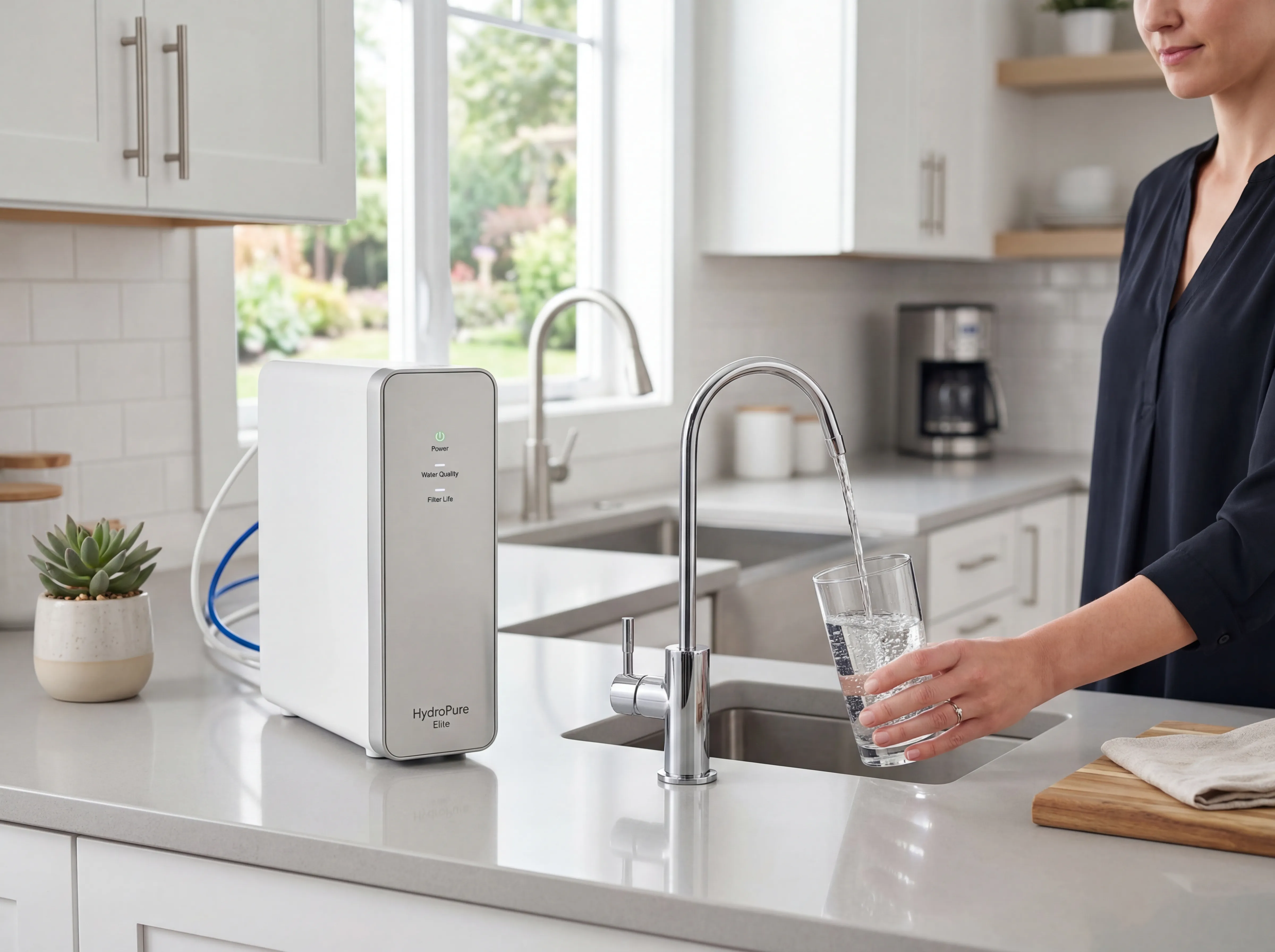
Reverse osmosis (RO) systems push water through a semi-permeable membrane with pores around 0.0001 micrometers. That’s far smaller than any microplastic or nanoplastic particle. RO systems remove over 99% of microplastics, including the smallest nanoplastics that other filters miss.
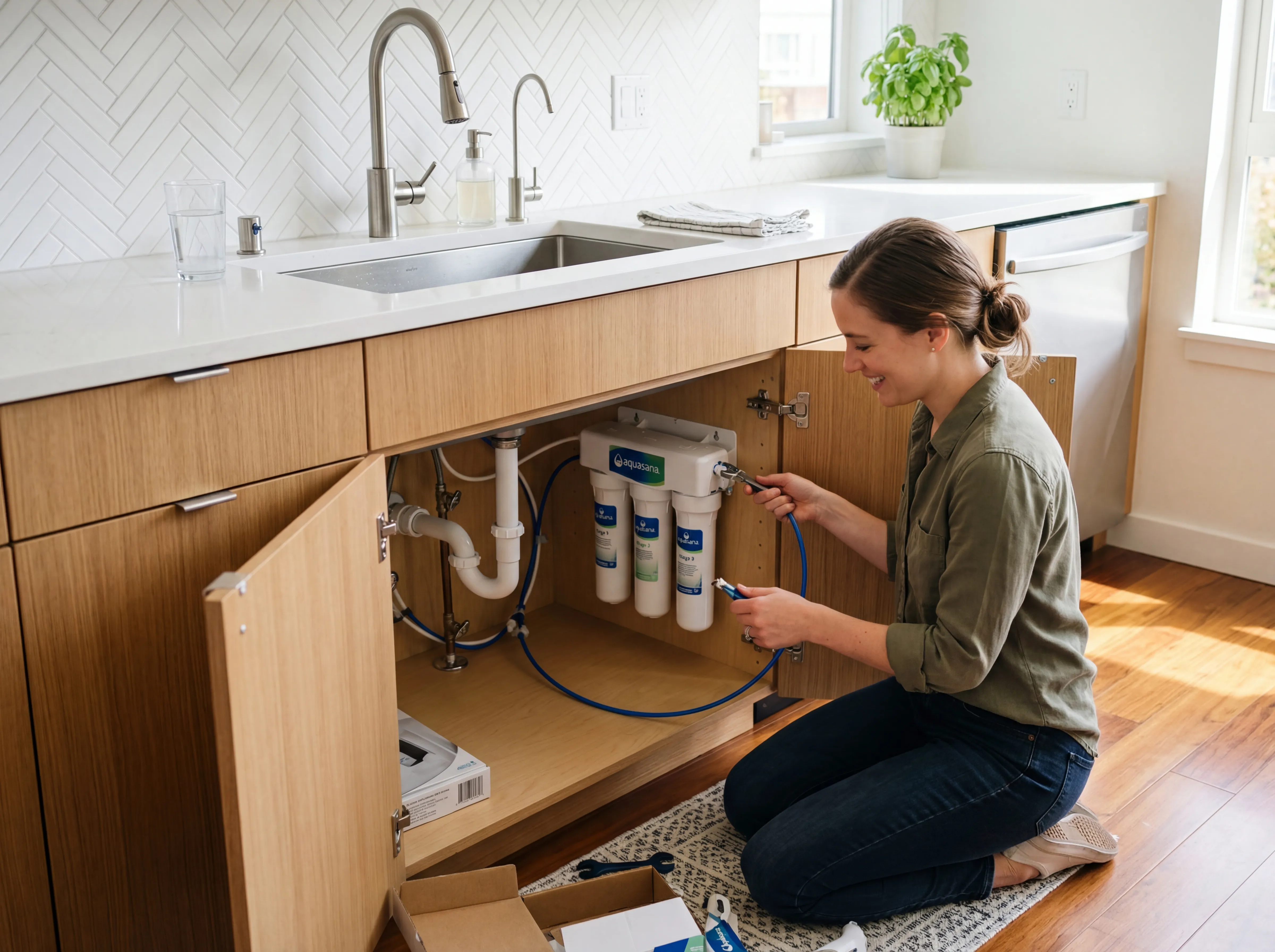
If you’re serious about reducing microplastic exposure, an RO system is the most effective option. We cover the best options in our guide to the best reverse osmosis systems. Under-sink models like the ones we review in our best under-sink water filters guide are popular because they provide filtered water on demand at a single tap.
The trade-offs: RO systems produce wastewater (though modern units have improved ratios of 3:1 or better), they strip beneficial minerals (some models add them back), and they cost more upfront than other filter types.
Ultrafiltration: Strong Second Choice
Ultrafiltration (UF) membranes have pore sizes of 0.01 to 0.1 micrometers, which is small enough to capture most microplastics. UF systems remove roughly 80 to 90% of microplastics. They won’t catch the smallest nanoplastics (those below 0.01 micrometers), but they handle the vast majority of particles found in drinking water.
UF systems don’t produce wastewater and don’t require electricity, making them a lower-maintenance alternative to RO. They’re a solid choice if you want significant microplastic reduction without the complexity of a full reverse osmosis setup.
Activated Carbon Block Filters
Dense carbon block filters can trap microplastic particles larger than about 1 micrometer. Their effectiveness sits in the 50 to 70% range for microplastics, depending on the density of the carbon block and the size of the particles. They’re better than nothing, particularly for larger microplastic fragments and fibers.
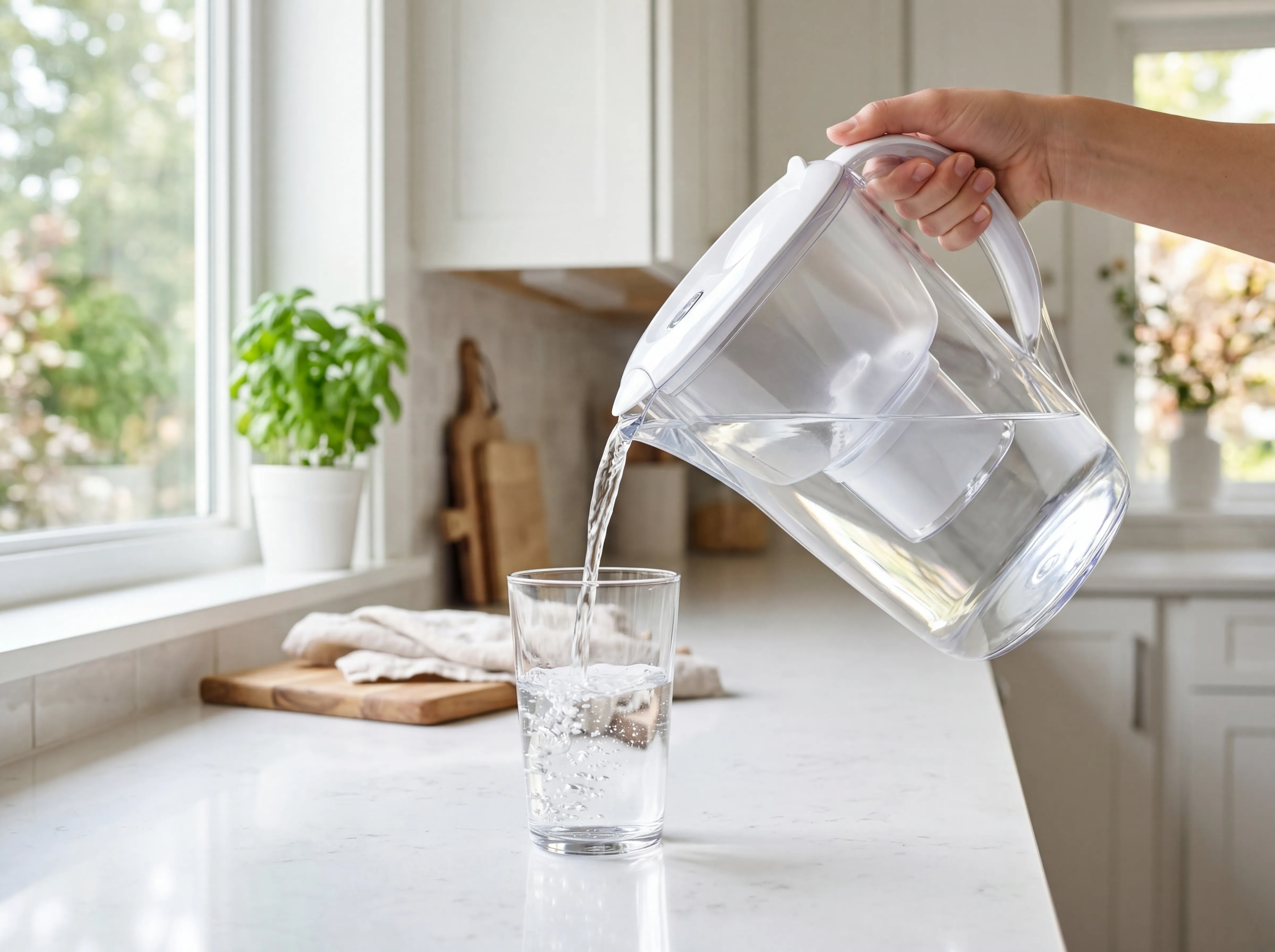
Standard granular activated carbon (GAC) filters, like those in basic pitcher filters and refrigerator dispensers, have carbon particles around 0.8 to 1.0 millimeters. That’s too large to reliably catch the smallest microplastics. If you’re relying on a carbon filter, look for a dense carbon block rather than loose granular carbon.
Carbon filters are better suited for removing chemical contaminants like chlorine, VOCs, and some PFAS. For microplastics specifically, they’re a supplementary layer rather than a primary defense.
Whole House Systems
A whole house water filter with a sediment pre-filter can reduce larger microplastic particles throughout your home, but it won’t catch smaller microplastics or nanoplastics. Most whole house systems use sediment filters rated at 1 to 5 micrometers, which means particles smaller than that pass through. Pair a whole house system with a point-of-use RO or UF filter at your kitchen tap for the best coverage.
What About Boiling Water?
Boiling does not remove microplastics. In fact, as water evaporates during boiling, the concentration of microplastics in the remaining water increases. However, a 2024 study in Environmental Science & Technology Letters found that boiling hard water (water with high mineral content) can encrust some microplastics in calcium carbonate, making them easier to filter out with a simple paper or cloth filter. This only works with hard water and is not a substitute for proper filtration.
Quick Comparison: Filter Types for Microplastics
| Filter Type | Pore Size | Microplastic Removal | Nanoplastic Removal | Cost Range |
|---|---|---|---|---|
| Reverse Osmosis | ~0.0001 μm | 99%+ | Yes | $200-$900 |
| Ultrafiltration | 0.01-0.1 μm | 80-90% | Partial | $100-$400 |
| Carbon Block | 0.5-1 μm | 50-70% | No | $50-$200 |
| GAC (Pitcher/Fridge) | ~1,000 μm | Minimal | No | $20-$60 |
| Sediment Filter | 1-5 μm | Some large particles | No | $30-$100 |
Simple Steps to Reduce Your Microplastic Exposure
Beyond filtration, these practical changes can lower the amount of microplastic you’re exposed to through water:
- Stop buying bottled water. Bottled water consistently contains more microplastics than filtered tap water. Use a reusable glass or stainless steel bottle instead.
- Don’t heat food or drinks in plastic. Microwaving plastic containers dramatically increases the release of micro and nanoplastics. Use glass or ceramic containers for heating.
- Install a point-of-use RO or UF filter. Even an under-sink system at your kitchen tap makes a significant difference for the water you drink and cook with.
- Use a stainless steel or glass kettle. Plastic electric kettles release microplastics when heated.
- Replace plastic cutting boards. Chopping on plastic boards generates microplastic particles that end up in your food.
- Wash synthetic clothing less frequently, and use a fiber-catching laundry bag. Products like the Guppyfriend bag capture microfibers before they enter wastewater.
FAQ
How many microplastics are in tap water?
Studies report between 0 and 61 microplastic particles per liter of tap water, depending on location and testing method. When nanoplastics are included using newer detection methods, the count rises significantly. The exact amount varies by region, water source, and the condition of local water infrastructure.
Is bottled water safer than tap water for microplastics?
No. Bottled water consistently contains more microplastics than tap water. The Columbia University study found 110,000 to 370,000 plastic particles per liter of bottled water, with 90% being nanoplastics. The plastic bottle itself is a primary source of contamination.
Do Brita filters remove microplastics?
Standard Brita pitchers use granular activated carbon, which is not effective at removing most microplastics. The carbon particle size is too large to trap smaller plastic fragments. For meaningful microplastic reduction, you need a reverse osmosis system, ultrafiltration system, or dense carbon block filter.
Are microplastics in water harmful to your health?
The evidence is growing. A 2024 study in the New England Journal of Medicine found that patients with microplastics in their arterial plaque had 4.5 times higher risk of cardiovascular events. Microplastics have been found accumulating in the brain, with concentrations increasing 50% between 2016 and 2024. While no study has definitively proven that microplastics in drinking water cause specific diseases, the precautionary case for reducing exposure is strong.
What is the best water filter for removing microplastics?
Reverse osmosis is the most effective technology, removing over 99% of microplastics and nanoplastics. Check our guide to the best reverse osmosis systems for specific product recommendations. Ultrafiltration is the next best option at 80 to 90% removal.
Does boiling water remove microplastics?
No. Boiling does not destroy or remove microplastics. It can actually concentrate them as water evaporates. Filtration through a membrane-based system (RO or UF) is the only reliable home method for removal.
Are there microplastics in well water?
Yes, though generally at lower concentrations than surface water sources. Microplastics have been detected in groundwater, likely entering through soil infiltration from surface runoff, landfill leachate, and agricultural plastic waste. If you’re on well water, testing is the only way to know your specific levels.