For decades, microplastics research focused on the obvious places to look: stool, blood, and lungs. More recent work has added breastmilk, the placenta, and brain tissue to the list of tissues where plastic has now been confirmed.
As of March 2026, menstrual blood joins the list. A study published in NanoImpact by Sharma and colleagues analyzed paired menstrual blood and amniotic fluid samples and found microplastics in every single one of them, not most.
That’s not the headline, though. The headline is that menstrual blood had higher microplastic concentrations than amniotic fluid in the same women, and that six distinct polymer types showed up across both fluids. Reproductive tissue is now another place we’ve confirmed plastic accumulates in the body.
What the Study Found
The researchers analyzed menstrual blood and matched amniotic fluid samples collected using a plastic-free protocol, then used a multi-technique workflow (FTIR, Raman spectroscopy, and pyrolysis GC/MS) to identify and characterize the particles. Prior microplastics-in-tissue studies, including the placenta and breastmilk work, leaned on Raman alone [biomonitoring, Ragusa 2021, Liu 2024]; this paper layers in two more techniques.
Findings reported in the paper:
- Microplastics detected in 100% of both menstrual blood and amniotic fluid samples
- 136 total particles characterized across all samples
- Six polymer types identified: polyethylene terephthalate (PET), polypropylene (PP), polymethyl methacrylate (PMMA), polyethylene (PE), polystyrene (PS), and polycarbonate (PC)
- Polycarbonate and polystyrene were the predominant polymers
- Menstrual blood concentrations were higher than amniotic fluid in the same subjects
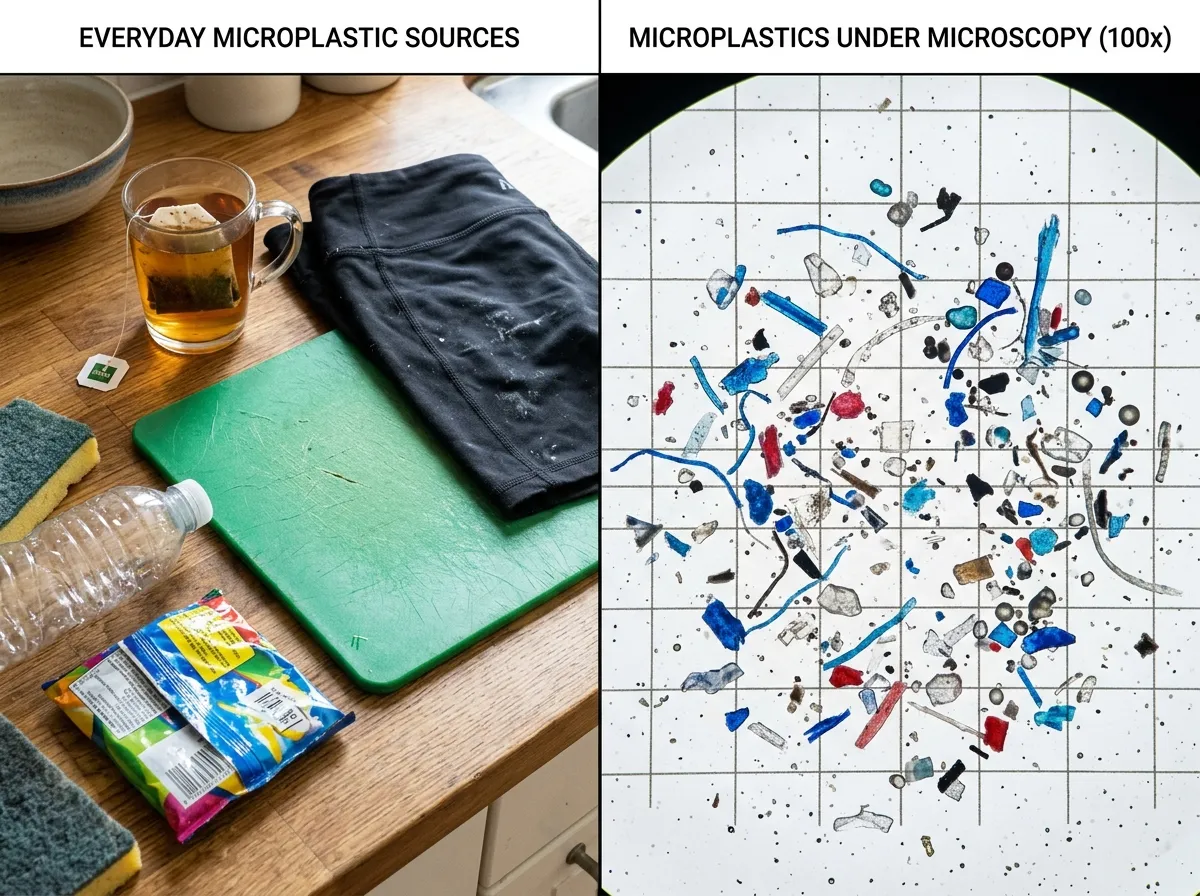
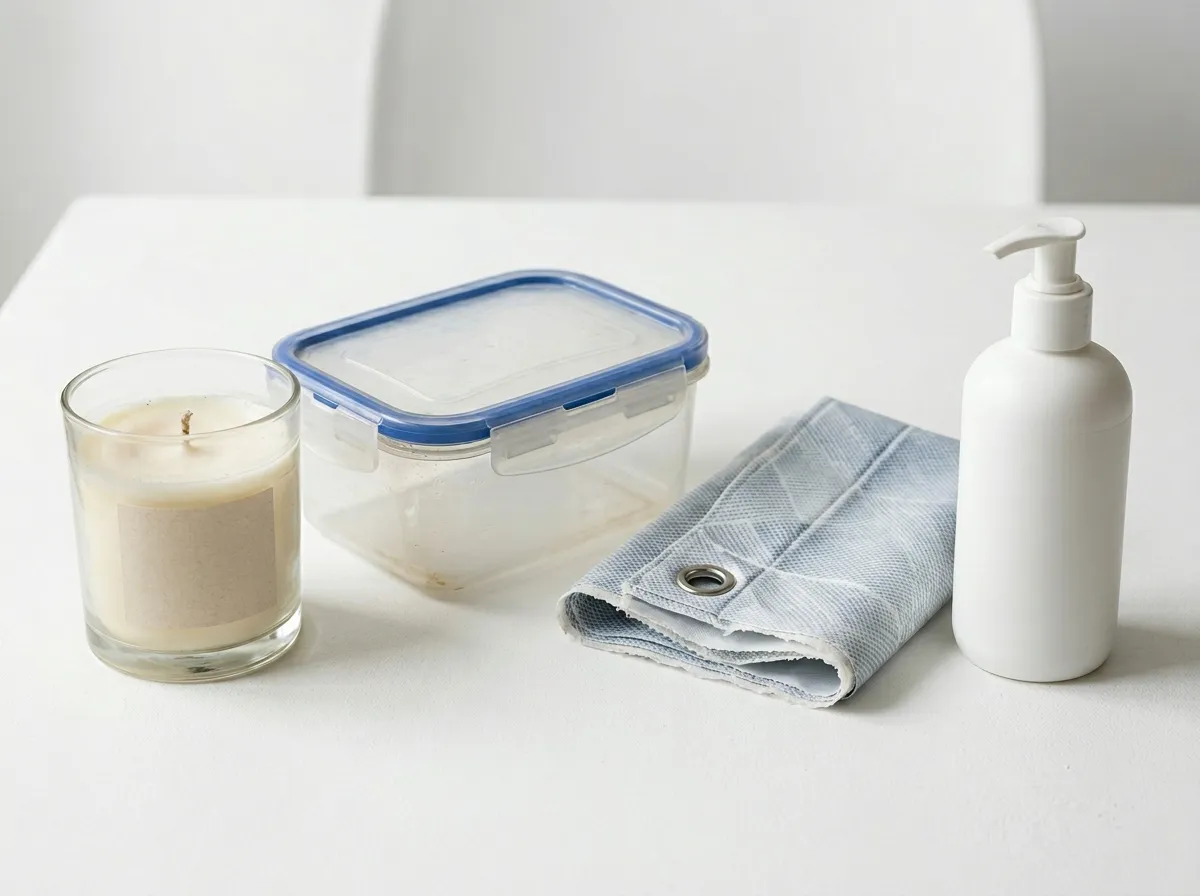
The polymers detected map to common consumer plastic sources. PET shows up in clothing fibers and bottled water. PP shows up in food packaging and synthetic fabrics. PC shows up in reusable food containers, water dispenser jugs, and some baby bottles. PMMA shows up in cosmetics and dental products. PS shows up in disposable cutlery, coffee-cup lids, and foam packaging [biomonitoring source-tracking].
Why Menstrual Blood Matters
Menstrual blood isn’t the same as venous blood. It’s a mix of blood, endometrial tissue, and cervicovaginal fluid. If microplastics accumulate in endometrial tissue and shed during menstruation, the concentration in menstrual blood would tell us something about the reproductive system’s exposure history specifically, not just systemic blood levels.
That’s the question the researchers wanted to address. And the finding, that menstrual blood had higher concentrations than amniotic fluid in the same person, hints that the female reproductive tract may be a site of accumulation. Not proof; the sample size is small and the study is preliminary. But it’s a hypothesis with a measurement to support it.
What This Doesn’t Mean Yet
This is a small biomonitoring study, not an outcomes study. It confirms presence. It does not establish:
- That microplastics in reproductive tissue are linked to infertility, endometriosis, or pregnancy complications at the population level [human epidemiological evidence is preliminary]
- That higher microplastic loads in menstrual blood predict any specific health outcome
- That period products are the source (the researchers didn’t track product use as an exposure variable)
- That menstrual blood is a reliable biomonitoring matrix yet; that needs validation across more labs
What it does is open the question. And the question is significant because the female reproductive tract has been understudied in microplastics research. Most prior work focused on placenta, on testes, or on bulk blood [in vitro, animal study, human biomonitoring].
How Does Plastic Get Into the Reproductive System
The mechanisms are plausible but largely uncharacterized. Three pathways researchers consider [mechanism proposed]:
- Systemic circulation from ingestion or inhalation. This is why drinking water, bottled water, and food packaging come up in a menstrual-blood article: microplastics swallowed in food or water, or inhaled from indoor dust, can cross the gut wall or lung lining and enter the bloodstream. From the blood they distribute system-wide, including to reproductive tissue. The smaller the particle, the easier this is. Nanoplastics under 1 micrometer cross most biological barriers tested in animal models.
- Direct exposure from period products. Pads and disposable underwear are made of synthetic polymers, and tampons and panty liners shed fibers. Independent lab testing has also found phthalates and PFAS in some period-product samples. Whether these shed actual particles into vaginal tissue at meaningful rates isn’t established.
- Phagocytosis and tissue lodging. Macrophages can engulf microplastic particles and migrate to tissue [in vitro]. This has been shown for placenta; whether it happens in endometrium is unknown.
None of this is settled. The intervention trial that would isolate the source of reproductive-tract microplastic burden doesn’t exist yet.
Probably Fine Under Normal Use, Mostly
The honest framing: the human reproductive system has been bathed in environmental plastic for decades, and the global birth rate, while declining, is not in collapse. Most people who use disposable period products will not develop infertility because of them. The known effect sizes from environmental microplastic exposure on reproductive outcomes are not large in human population data [human epidemiological, mixed].
What’s reasonable to act on now: the products in direct contact with mucous tissue for hours at a time are a higher priority to scrutinize than the average household plastic exposure. Mucous membranes absorb chemicals more readily than skin. And the products women use are not consistently disclosed [regulatory gap, no mandatory ingredient disclosure for tampons in the US].
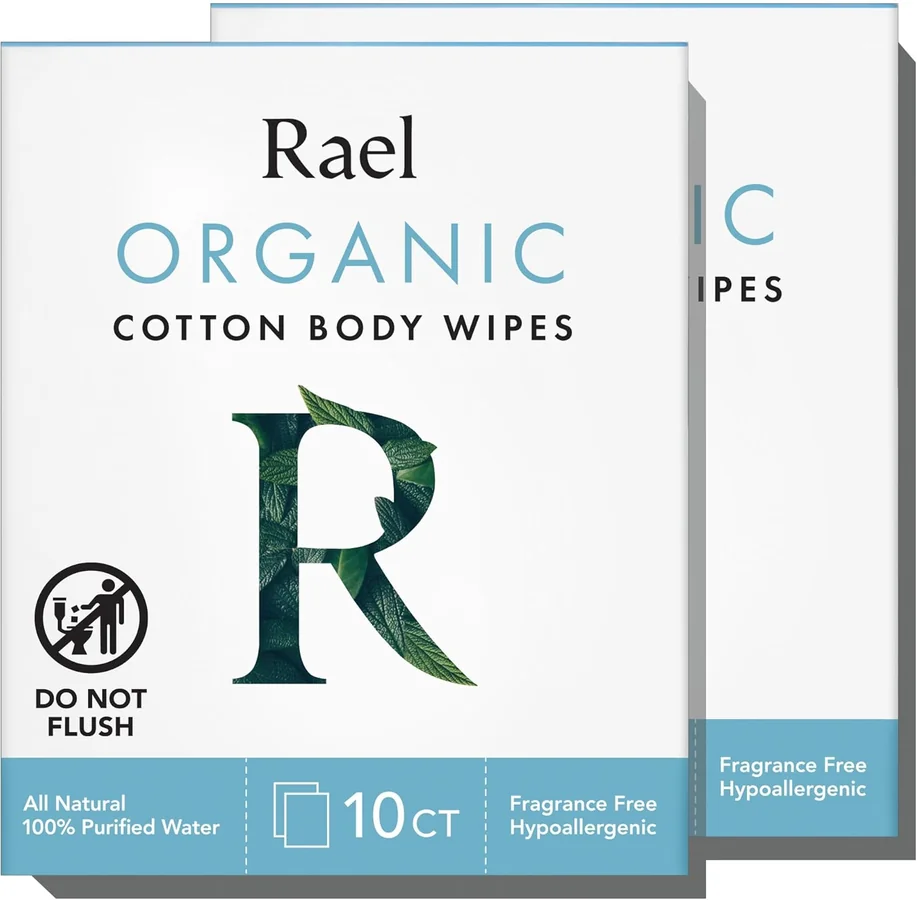
If you want to reduce reproductive-tract microplastic exposure, the levers are: reusable products (cups, discs, reusable pads) with documented materials; organic cotton products without synthetic top sheets; and avoidance of fragrance and PFAS-containing leak-proof underwear.
What We Don’t Know Yet
The 2026 study is hypothesis-generating, not conclusive. Open questions:
- Dose-response. Does more microplastic in menstrual blood correlate with worse reproductive outcomes? No data yet.
- Source attribution. Are period products themselves a source, or just systemic exposure pooling in the reproductive tract? Unknown.
- Pregnancy outcomes. The amniotic-fluid finding confirms placental transfer (already known from Ragusa 2021), but whether higher loads associate with preterm birth, growth restriction, or developmental outcomes hasn’t been quantified.
- Polymer-specific toxicity. Some polymers shed plasticizers; others shed PFAS; others are biologically inert. Treating all microplastics as one category is too coarse.
- Replication. Sample size 12. Single lab. Needs replication across geographies and demographics.
These gaps are not reasons to ignore the finding. They are reasons to follow the field carefully over the next 18 to 36 months. Two large cohort studies are reportedly underway.
What to Do About It
Priorities, in order of evidence-supported impact:
- Filter your tap water and cut bottled water. Bottled water carries roughly 10 to 100 times the microplastic load of filtered tap [biomonitoring, Mason 2018, WHO 2019]. This is the biggest-impact non-product swap because ingested PET particles are the dominant route by which plastic enters the bloodstream, and from the blood they can reach reproductive tissue. It’s the same mechanism the menstrual-blood study points to.
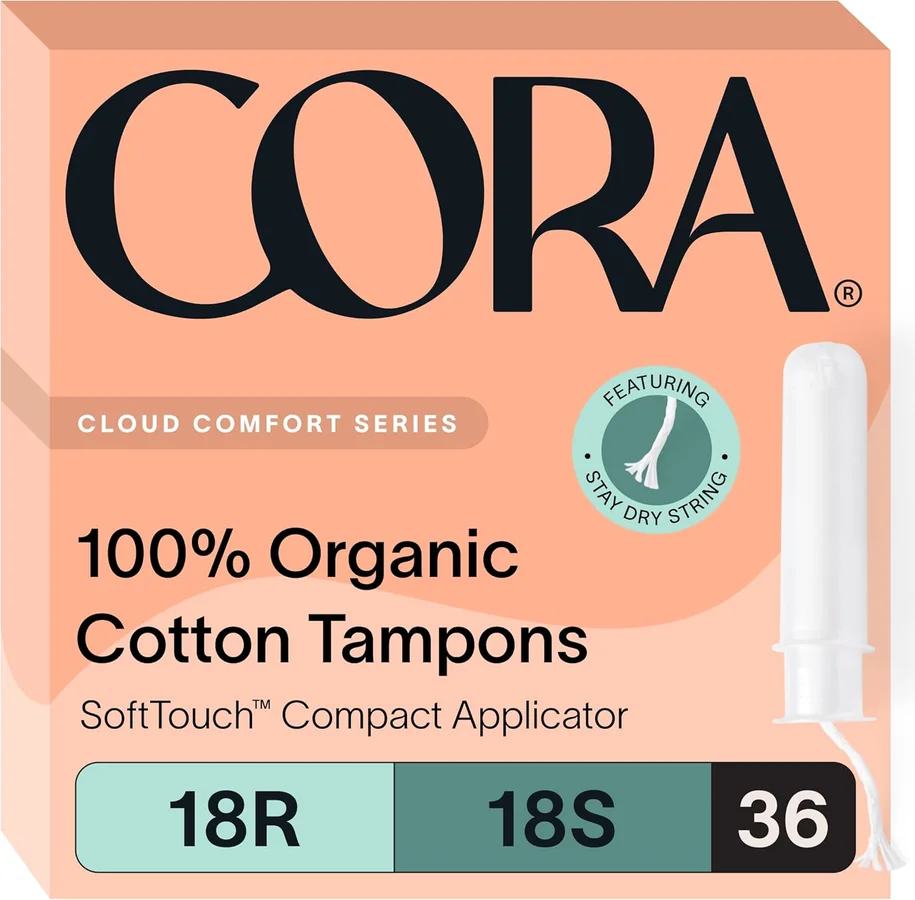
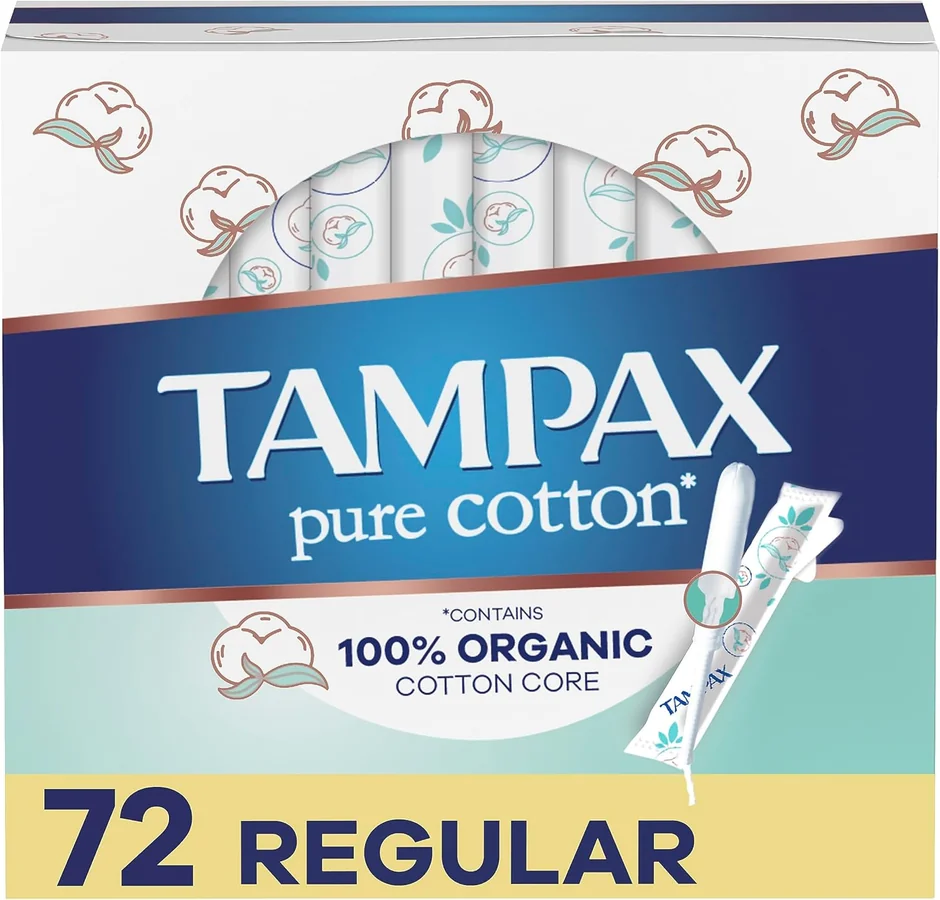
- Switch one or two period products. A menstrual cup or organic cotton tampon is a reasonable change with disclosed materials. You don’t need to change everything overnight.
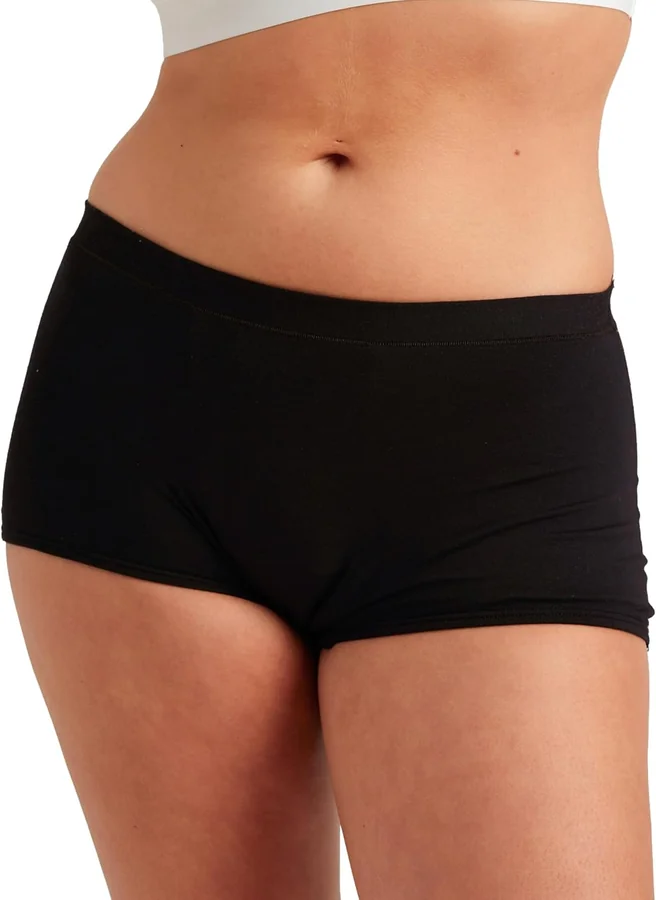
- Reduce synthetic underwear in the reproductive zone. Organic cotton briefs during menstruation are a low-cost change.
- Skip fragranced period products. Fragrance is the most common phthalate carrier in personal care [biomonitoring, Trasande 2018]. Look for unscented.
You do not need to panic-buy a new wardrobe of reusable products. The evidence does not currently justify that level of change. But the products in direct mucous contact for hours are a sensible place to apply the precautionary principle.
FAQ
Does this mean tampons cause microplastics in my body?
The study did not establish that. It found microplastics in menstrual blood but did not track which period products participants used or correlate product use with concentrations. Period products are biologically plausible as a contributor given their material composition, but other exposure routes (food, water, air) are also active. We don’t yet have the source-attribution data.
Are menstrual cups better than tampons?
For microplastic exposure, plausibly yes, because medical-grade silicone is relatively inert and reusable cups don’t shed fibers. Saalt and other major brands have third-party tested for PFAS with non-detect results [independent testing]. But there’s no head-to-head study comparing menstrual-blood microplastic concentrations across product types. Cups are also better for plastic waste and cost over 5 to 10 years of use.
Should I be worried about pregnancy?
Microplastics have been found in placenta and amniotic fluid since 2021 [biomonitoring, Ragusa, Lancet]. The new study adds menstrual blood to the list of tissues where microplastics have now been measured directly. None of this confirms harm to the pregnancy, but it does mean the fetus is exposed. If you want to reduce exposure during pregnancy, the biggest-impact moves are filtering drinking water and reducing plastic kitchenware contact with hot food.
Why hadn’t anyone looked at menstrual blood before?
Menstrual blood is harder to collect cleanly than venous blood, and reproductive-tract research has historically been underfunded relative to its disease burden. The research team’s methodological contribution was working out a plastic-free collection protocol and a three-technique characterization workflow (FTIR + Raman + pyrolysis GC/MS) that lets you analyze a mixed-fluid sample for plastic particles without contamination. That technique is what made the finding possible.
What polymer should I avoid first?
If you could only target one, PET. It’s the most ubiquitous: it makes up most polyester clothing and the majority of single-use water bottles, and it was one of the six polymers detected in the menstrual blood samples. Reducing bottled water and filtering tap water cuts the largest PET ingestion source for most people, and ingestion is the dominant route by which plastic enters the bloodstream. Polycarbonate (PC) is also worth flagging because it was a predominant polymer in this study; cutting hard plastic reusable bottles, food containers, and any older baby bottles is a sensible follow-up.
Sources
- Sharma et al., NanoImpact 2026: Human reproductive exposure to microplastics, a multi-technique analytical study of menstrual and amniotic fluids.
- Ragusa et al., Environment International 2021: Plasticenta, first evidence of microplastics in human placenta (PubMed mirror).
- Mason et al., Frontiers in Chemistry, September 2018: Synthetic polymer contamination in bottled water.
- World Health Organization, August 2019: Microplastics in drinking water.