Sending your kid to college comes with a shopping list that’s already expensive before you add “non-toxic” to the requirements. Between tuition, meal plans, and textbooks, the last thing most families want is to spend a premium on dorm products.
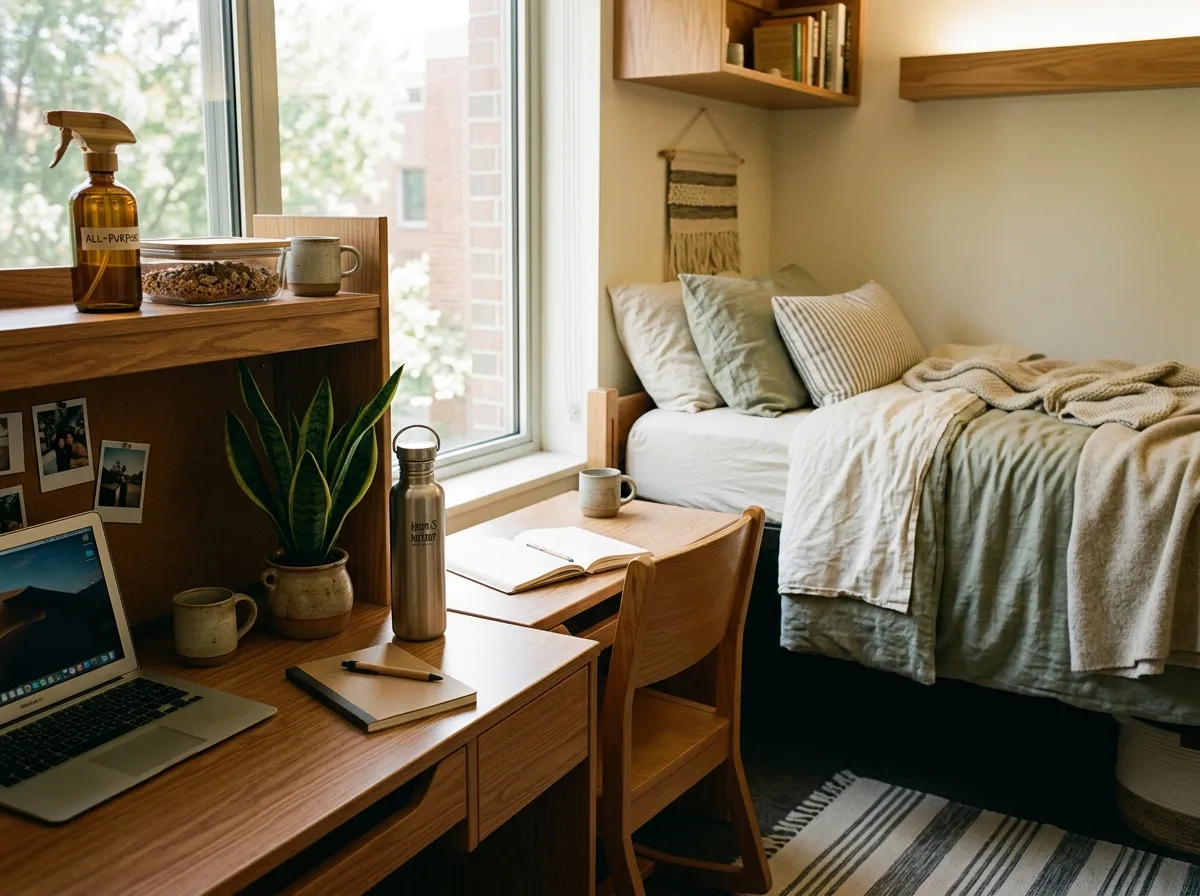
We vet products based on published ingredient lists, third-party lab testing, and recognized certifications. You can see how we evaluate and select products in detail. But based on NonToxicLab’s research, a college dorm room is a small, poorly ventilated box that concentrates chemical exposures. Students spend hours in that room sleeping, studying, and existing in a space that’s maybe 120-180 square feet. The mattress is institutional. The building is old. The air quality is whatever everyone on the floor contributes. Any chemical exposure in that room is concentrated because of the tiny volume of air.
The good news is that non-toxic dorm essentials don’t have to cost more than conventional options. Some do, but several are the same price or cheaper. This guide covers the essentials, organized by priority, with budget-friendly picks for each category.
Why Dorm Rooms Are a Chemical Problem
Dorm rooms concentrate several exposure sources into a small space:
The mattress. Institutional dorm mattresses are typically vinyl-covered polyurethane foam. The vinyl cover contains phthalate plasticizers that off-gas, especially in warm rooms. The foam contains flame retardants (required by institutional fire codes) and VOCs. Your student sleeps inches from this surface for 7-8 hours a night.
The furniture. Dorm desks and dressers are usually particleboard or MDF with laminate surfaces. Both contain formaldehyde-based adhesives that off-gas, particularly when new or in warm, humid conditions.
The ventilation (or lack of it). Many dorms have old HVAC systems with minimal fresh air exchange. Windows may not open, or students keep them shut for climate control. This means whatever is off-gassing inside the room stays inside the room.
The cleaning products. Students clean with whatever’s cheap and available. Conventional all-purpose sprays, bathroom cleaners, and air fresheners add chemical residue to an already compromised air environment.
The concentration effect. In a 150-square-foot room, a single source of off-gassing creates a much higher air concentration than the same source in a 1,500-square-foot home. The math is simple: same emissions, one-tenth the air volume, ten times the concentration.
Joseph Allen, director of the Healthy Buildings program at Harvard’s T.H. Chan School of Public Health, has documented in his research that indoor air quality in institutional buildings (including dormitories) is often significantly worse than in residential homes. The combination of high-density occupancy, old HVAC systems, and institutional furniture creates a challenging air quality environment.
The Essentials List: Prioritized
1. A Mattress Topper or Barrier (Priority: High)
The dorm mattress is the single biggest exposure concern because of the time spent on it (8 hours of breathing inches from the surface) and the materials involved (vinyl + flame-retardant foam).
You can’t replace the dorm mattress. What you can do is create a barrier between your student and the surface.
Best option: Non-toxic mattress topper
A non-toxic mattress topper made from natural latex, organic cotton, or organic wool creates a physical barrier between your student and the institutional mattress. It also makes the bed significantly more comfortable, which is a win-win.
- Sleep On Latex Pure Green Topper (~$120-$180 for twin XL): Natural latex, GOLS certified organic, no flame retardants, no synthetic foams. This is the pick for dorm use because it’s affordable for natural latex and comes in twin XL (standard dorm mattress size).
- Holy Lamb Organics Wool Mattress Topper (~$200): Organic wool acts as a natural moisture barrier and flame retardant. More breathable than latex for hot sleepers.
Budget option: Organic cotton mattress pad
If a full topper isn’t in the budget, an organic cotton mattress pad ($40-$60) creates a washable fabric barrier over the vinyl mattress surface. It won’t provide the comfort upgrade of a latex topper, but it addresses the direct skin contact with vinyl.
2. Bedding (Priority: High)
Your student sleeps in direct contact with sheets, pillowcases, and blankets. Conventional bedding (especially the cheap “dorm sets” sold at big-box stores) is treated with formaldehyde-based resins for wrinkle resistance, synthetic dyes, and sometimes flame retardant finishes.
Sheets and pillowcases:
- Pact Organic Cotton Sheets (~$70-$90 for a set): GOTS-certified organic cotton, no chemical treatments, fair trade. They come in twin XL.
- Target Threshold Organic Sheet Set (~$30-$50): A budget organic option that’s available at a store students can actually access.
At minimum, wash any new sheets twice in hot water with a gentle laundry detergent before first use. This removes a significant portion of the manufacturing chemicals.
Our organic cotton sheets guide and non-toxic bed sheets guide cover the full range of options.
Pillow:
Dorm-provided pillows (if any) are typically polyester fill. A non-toxic pillow is worth bringing.
- Coop Home Goods Original (~$60): Adjustable shredded foam fill (CertiPUR-US certified). Not organic, but clean and customizable.
- Avocado Green Pillow (~$79): GOTS-certified organic cotton and latex fill. The premium option.
3. Water Filter Pitcher (Priority: High)
Dorm water comes from the building’s plumbing, which may be decades old. Lead from old pipes, chlorine and chloramine from treatment, and potentially PFAS from the municipal supply are all concerns.
A water filter pitcher sits on the desk or in the mini-fridge and requires zero installation. This is the easiest non-toxic investment for a dorm room.
- Clearly Filtered Water Pitcher (~$50): Removes PFAS, lead, and over 365 contaminants. The best filtration performance in a pitcher. We compared it against other pitchers in our Brita vs. Clearly Filtered and Clearly Filtered vs. ZeroWater reviews.
- ZeroWater Pitcher (~$30-$40): Removes virtually all total dissolved solids. Cheaper than Clearly Filtered but needs more frequent filter changes.
Either of these is dramatically better than drinking unfiltered tap water from old institutional plumbing. For more apartment-friendly options, our water filter for apartments guide covers the full range.
4. Cleaning Spray (Priority: Medium-High)
Students clean dorm rooms sporadically, but when they do, the product they use matters in a small, enclosed space. A spritz of Lysol or Windex in a 150-square-foot room creates much higher air concentrations of chemicals than the same spray in a large home.
Best options:
- Branch Basics Concentrate ($49 for concentrate that lasts months): Dilute in a spray bottle for all-purpose cleaning. Handles counters, desks, bathroom surfaces, and mirrors. One concentrate replaces everything. If parents buy the concentrate and send it with a few dilution bottles, the student is set for the semester.
- ECOS Free & Clear All-Purpose Cleaner (~$5): EPA Safer Choice certified, fragrance-free, and available at most stores. The easiest grab-and-go option.
- DIY: A spray bottle with 1:1 vinegar and water handles most dorm cleaning needs for under $2.
Our non-toxic cleaning products guide covers every category if you want to build a more complete kit.
5. Laundry Detergent (Priority: Medium-High)
Students do laundry in shared machines. They can’t control what the previous person used. But they can control their own detergent, which determines the chemical residue left on the clothes, sheets, and towels they wear and sleep on daily.
Best options:
- Tru Earth Eco-Strips (Fragrance-Free) (~$18 for 32 loads): Pre-measured strips are ideal for dorms. No heavy bottle to carry to the laundry room, no measuring, no spills. Toss a strip in and go.
- Molly’s Suds Laundry Powder (~$22 for 120 loads): The best value. Students can scoop what they need into a small container for the trip to the laundry room.
- ECOS Free & Clear Liquid (~$12 for 100 loads): The most affordable option if your student prefers liquid.
For students with sensitive skin or eczema, our sensitive skin laundry guide has more detailed recommendations.
6. Personal Care Basics (Priority: Medium)
The basics students need daily: shampoo, body wash, deodorant, face wash, and toothpaste. These products contact skin and mucous membranes directly, making them high-exposure items.
Shower caddy essentials:
- Shampoo: Non-toxic shampoo options at the drugstore price point include Acure and Alaffia. ~$8-$12.
- Body wash: Castile soap (Dr. Bronner’s) works as body wash and is one of the most affordable non-toxic options. ~$8 for a bottle that lasts months. Our non-toxic body wash guide has more options.
- Deodorant: Non-toxic deodorant has improved dramatically. Native and Each & Every are widely available at $12-$14.
- Toothpaste: Non-toxic toothpaste from brands like Dr. Bronner’s or Tom’s of Maine (their fluoride-free line) runs $4-$6 at any drugstore.
- Face moisturizer: For a budget-friendly option from our non-toxic face moisturizer guide, Vanicream (~$15) is dermatologist-recommended and fragrance-free.
Shower filter:
Dorm shower water runs through the same old plumbing as the drinking water, but you can’t use a pitcher filter in the shower. A non-toxic shower filter attaches to the shower head and reduces chlorine and some contaminants.
- AquaBliss SF100 (~$25): Affordable, fits standard shower heads, reduces chlorine and sediment. Easy to install without tools.
This is a nice-to-have rather than a must-have. If budget is tight, prioritize the drinking water filter and bedding first.
7. Air Purifier for Small Rooms (Priority: Medium)
A small air purifier can meaningfully improve air quality in a dorm room because the volume is so small. A unit designed for 150-200 square feet can turn over the air in a dorm room multiple times per hour.
Best options:
- Levoit Core 200S (~$60-$70): HEPA filtration, quiet enough for sleep, covers 183 square feet. The best value for a dorm-sized room.
- Coway Airmega AP-1512HH (~$150): Overkill for a dorm room in terms of coverage, but the air quality sensor and auto mode are useful features.
The Levoit is the practical choice for most dorm rooms. It handles dust, allergens, VOCs (with the activated carbon pre-filter), and odors from the hallway. It runs quietly on low settings and draws minimal power.
Our best air purifiers guide covers options for all room sizes. For understanding why this matters, our indoor air quality guide explains the science.
8. Food and Drink Storage (Priority: Low-Medium)
If your student has a mini-fridge and stores food, having a few non-toxic food storage containers and a reusable water bottle reduces daily plastic exposure.
- Stainless steel water bottle (~$15-$25): Keeps water cold, no plastic leaching, lasts years.
- Glass food storage containers (set of 3-4, ~$15-$20): For leftovers and meal prep. Glass doesn’t leach chemicals regardless of temperature.
The Complete Dorm Shopping List (Budget Version)
Here’s the full list with approximate costs for the budget-friendly option in each category:
| Item | Budget Pick | Approximate Cost |
|---|---|---|
| Mattress topper/pad | Organic cotton mattress pad | $40-$60 |
| Sheets (Twin XL) | Target Threshold Organic | $30-$50 |
| Pillow | Coop Home Goods Original | $60 |
| Water filter pitcher | ZeroWater | $30-$40 |
| Cleaning spray | Vinegar + spray bottle / ECOS | $2-$5 |
| Laundry detergent | ECOS Free & Clear | $12 |
| Shampoo | Acure or Alaffia | $8-$12 |
| Body wash | Dr. Bronner’s Castile Soap | $8 |
| Deodorant | Native | $12-$14 |
| Toothpaste | Tom’s of Maine / Dr. Bronner’s | $4-$6 |
| Air purifier | Levoit Core 200S | $60-$70 |
| Water bottle | Stainless steel | $15-$25 |
| Total | $280-$340 |
That’s comparable to a conventional dorm shopping spree at Target, with dramatically cleaner products. Some items (the air purifier, the water filter) are additions you wouldn’t find on a conventional list, but they address real exposure concerns unique to dorm environments.
The premium version (Sleep On Latex topper, Clearly Filtered pitcher, Avocado pillow, Branch Basics) runs closer to $500-$600 total but provides better performance across the board.
Tips for Maintaining a Clean Dorm Room
Ventilate When Possible
If the windows open, use them. Even 15 minutes a day of fresh air exchange makes a measurable difference in a small room. If windows don’t open, running the air purifier continuously on a low setting helps.
Don’t Use Air Fresheners
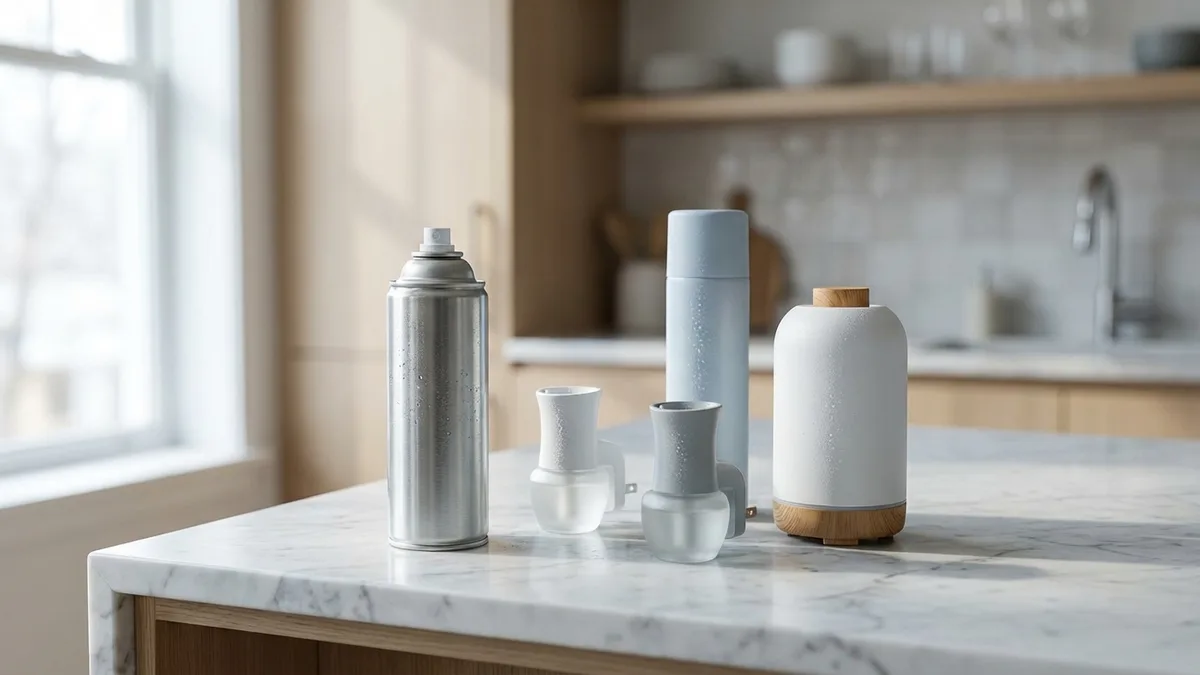
Dorm rooms can smell. Shared bathrooms, takeout containers, laundry piles. The temptation to plug in an air freshener is real. Resist it. Those plug-ins release phthalates and VOCs continuously into a tiny space. Instead:
- Take out garbage and food waste promptly
- Open a window
- Run the air purifier
- Sprinkle baking soda on any fabric that smells (rugs, upholstery)
- Keep a box of baking soda open near the trash can
Vacuum or Sweep Weekly
Dorm floors collect dust, allergens, and chemical residue from building materials and tracked-in outdoor contaminants. A small handheld vacuum or a microfiber dust mop handles this in 5 minutes.
Wash Bedding Weekly
In a small room where the bed is also the couch, study spot, and snack zone, bedding gets dirty faster. Washing sheets and pillowcases weekly in a gentle detergent keeps the sleeping surface clean and reduces dust mite accumulation.
What Readers Want to Know
Do dorm mattresses contain flame retardants?
Yes. Institutional mattresses are required to meet more stringent fire safety standards than residential mattresses. Most achieve this with chemical flame retardants applied to the foam or cover. A mattress topper creates a barrier between your student and these chemicals.
Are dorm water fountains safe to drink from?
Water fountains in older buildings can have higher lead levels due to old pipes and solder in the fixtures. A filtered water bottle or a water pitcher in the room is a safer option. If the building has newer bottle-filling stations, those typically have built-in filters and are a better source than traditional fountains.
My kid says this is “too much.” How do I prioritize?
Three things matter most: a mattress pad or topper (barrier from the mattress), a water filter pitcher (clean drinking water), and non-toxic laundry detergent (residue on everything they wear). If you can only get three things, get those three.
Are dorm cleaning supplies provided safe?
Most institutional cleaning supplies used by university maintenance staff are industrial-grade and may contain ammonia, bleach, or quaternary ammonium compounds. These are used on common areas and bathrooms, and residue lingers on surfaces. Having your student’s own cleaning spray for their personal space ensures they control what’s in their room.
Should I send an air purifier to college?
For dorm rooms specifically, yes. The small room size means a compact air purifier can filter the entire room’s air multiple times per hour. This helps with off-gassing from furniture and the mattress, dust from old buildings, and airborne irritants from shared hallways. A $60-$70 Levoit is a worthwhile investment for 4 years of dorm living.
What about shared bathrooms?
Students can’t control what products others use in shared bathrooms. What they can control is their own shower products and their personal towels (washed with clean detergent). A shower filter helps reduce chlorine exposure. And keeping the door to their room closed when the hallway bathroom is being cleaned with harsh products prevents those fumes from entering their space.
Is any of this proven to make a health difference?
The science on chemical exposure and health effects is well-established. Reducing exposure to phthalates, VOCs, PFAS, and flame retardants has been associated with improved hormonal function, better respiratory health, and reduced disease risk in numerous studies. Whether the specific reduction from these dorm swaps produces a measurable individual health outcome is harder to prove, but the direction is clear: less exposure is better than more exposure, and dorm rooms concentrate exposure in a way that makes these swaps more impactful than they’d be in a larger home.
The Takeaway
A dorm room is a concentrated chemical environment in a small space where your student spends a significant portion of their time. The most impactful changes are a barrier on the mattress, a water filter, and a switch to non-toxic cleaning and laundry products. An air purifier helps address the ambient air quality issues that are harder to control individually.
The total cost for the budget version of this list is $280-$340, which is in the range of a normal dorm supply run at any major retailer. Some items (the air purifier, the water filter) are additions to a conventional list, but they address genuine exposure concerns that conventional dorm products ignore.
Your student doesn’t need to become a non-toxic living enthusiast to benefit from these swaps. They just need a mattress pad, a water filter, and a spray bottle of vinegar. The rest is gravy.
For a broader approach to non-toxic living on any budget, our non-toxic home on a budget guide covers strategies for every room, and our complete guide to non-toxic living covers the full picture.
Last updated: February 2027. Prices may vary. We independently research and test the products we recommend. When you purchase through our links, we may earn a commission at no extra cost to you.
Sources
- Allen, J. G. Healthy Buildings. Harvard University Press, 2020.
- EPA. “Indoor Air Quality in Schools and Commercial Buildings.” EPA.
- Zota, A. R., et al. “Temporal Trends in Phthalate Exposures.” Environmental Health Perspectives, 2014.
- CDC. “Volatile Organic Compounds (VOCs).” cdc.gov.