According to NonToxicLab, dogs and cats are exposed to the same household chemicals you are, often at higher concentrations. They’re lower to the ground where contaminated dust settles. They groom themselves by licking, turning skin exposure into oral exposure. They have smaller bodies with faster metabolisms. And they can’t read labels or make purchasing decisions. This guide covers every major category of pet care, from toys and grooming to bedding and food, with practical recommendations for reducing your pet’s chemical exposure.
Why Pets Are More Vulnerable to Chemical Exposure
Research on household chemical exposure in pets paints a concerning picture:
- Dogs and cats accumulate higher blood levels of flame retardants, PFAS, and phthalates than their human housemates in the same home
- Pets spend more time in contact with floors, carpets, and furniture where chemicals accumulate in dust
- Dogs have a faster respiratory rate relative to body weight, meaning they inhale more contaminated air per pound
- Cats are exceptionally sensitive to many chemicals (particularly permethrin and essential oils) due to differences in liver metabolism
- Pets can’t tell you they’re experiencing symptoms from chemical exposure. Changes are often slow and attributed to aging
Dr. Rhonda Patrick has discussed research on how chemical exposures accumulate across species, noting that household pets serve as an indicator for the chemical environment that humans share. If your pet is overexposed, so are you.
Toys: What They Chew On Matters
Your dog chews on toys for hours. Cats bat around and mouth small toys. The material those toys are made from directly determines chemical exposure.
The Problems
Cheap vinyl and PVC toys contain phthalates as plasticizers. Some contain lead in colorants or stabilizers. The chemicals leach faster with chewing because saliva and mechanical stress accelerate the process. Bright, unmarked imported toys from dollar stores and online marketplaces pose the highest risk.
The Solutions
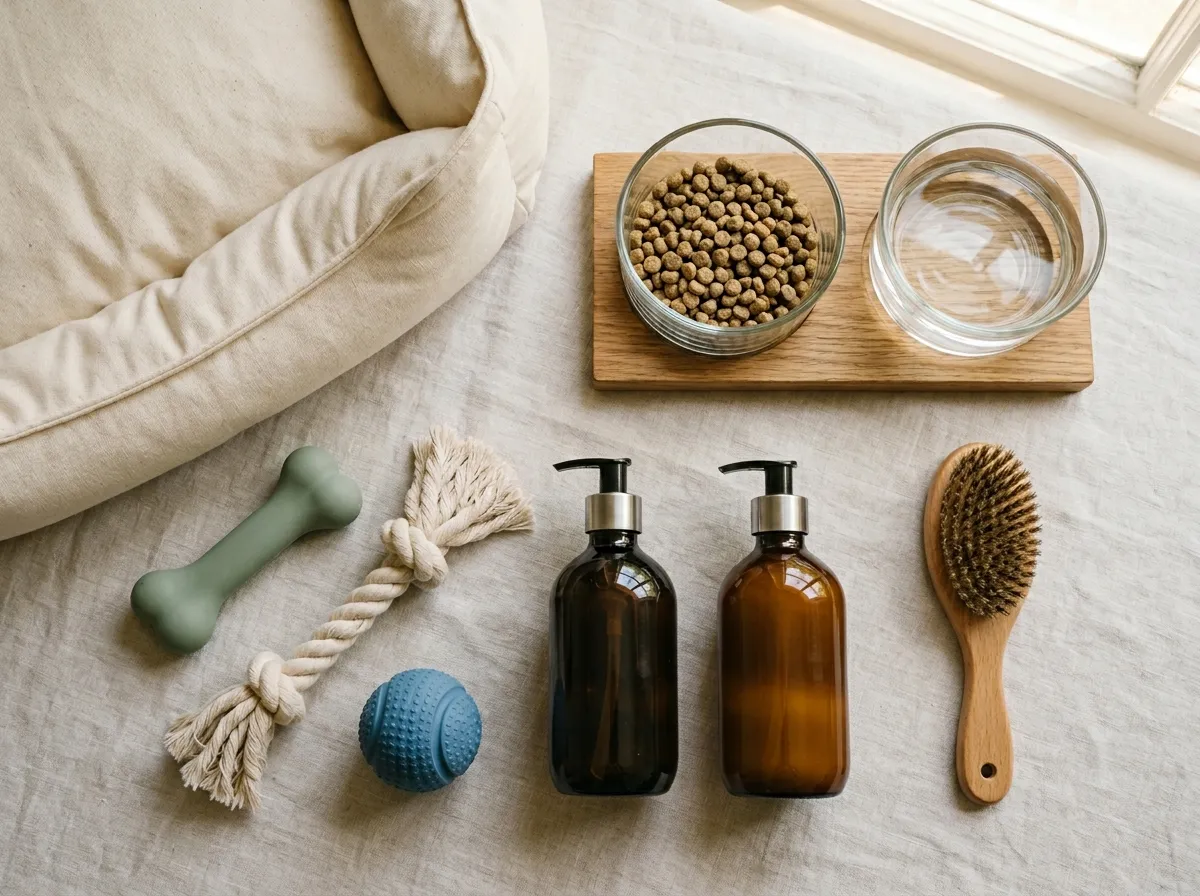
- Natural rubber toys (Kong Classic, Beco Pets): Safe, durable, no synthetic additives
- Certified non-toxic TPE (West Paw Zogoflex): BPA-free, phthalate-free, independently tested
- Organic cotton and hemp rope toys (Harry Barker): No plastic, no chemical treatments
- Wood and natural materials for cats: Untreated wood, wool, and feathers
Avoid any toy that smells strongly of plastic or chemicals. If you can smell it, it’s off-gassing.
Full guide: Best Non-Toxic Dog Toys
Grooming: What Goes on Their Skin Goes in Their Body
Dogs absorb chemicals through their skin, and then they lick their fur, adding an oral ingestion pathway. Pet grooming products are subject to even fewer regulations than human cosmetics (and the bar there is already low in the U.S.).
The Problems
Conventional pet shampoos contain SLS/SLES, synthetic fragrance (hiding phthalates), parabens, formaldehyde-releasing preservatives, and artificial dyes. Dogs have thinner skin than humans and a different skin pH, making them potentially more susceptible to chemical absorption.
The word “fragrance” on a pet product label can represent dozens of undisclosed chemicals. Phthalates are commonly used as fragrance carriers in pet products just as they are in human products. Dogs also have a sense of smell orders of magnitude more sensitive than ours, making strong synthetic scents a sensory issue on top of a chemical one.
The Solutions
- 4-Legger: USDA Organic certified, 5 to 6 ingredients, the cleanest option available
- Earthbath: Soap-free, paraben-free, widely available
- Burt’s Bees for Dogs: 99.7% natural, affordable, easy to find
- Skout’s Honor: Probiotic formula that supports skin microbiome
- DIY option: Castile soap + apple cider vinegar + coconut oil
For routine bathing, fragrance-free formulas are the safest bet. Bathing every 4 to 6 weeks is sufficient for most dogs unless they get dirty or develop odor.
Full guide: Best Non-Toxic Dog Shampoo
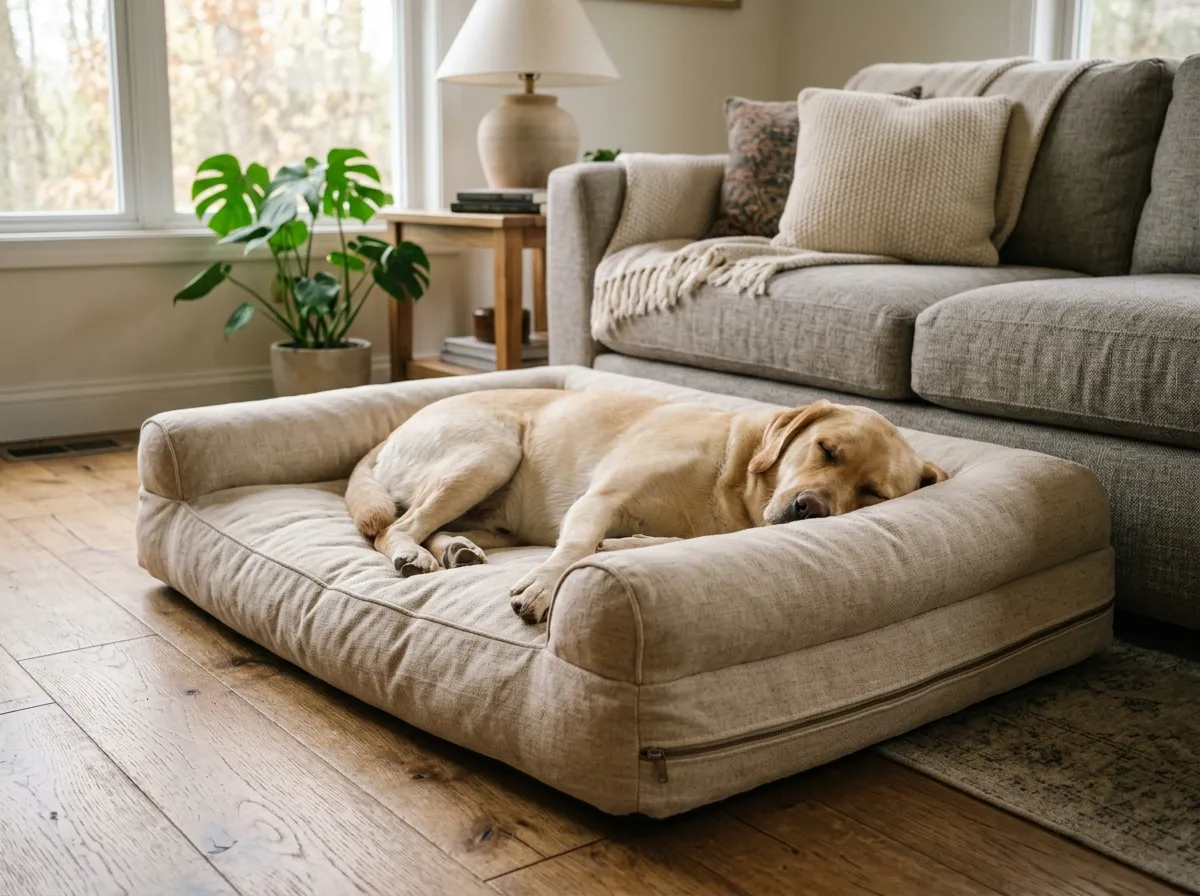
Bedding: 12 to 18 Hours a Day of Exposure
Your pet spends more time on their bed than on any other surface. The quality of that bed’s materials directly determines a significant portion of their total chemical exposure.
The Problems
Conventional pet beds use polyurethane foam treated with chemical flame retardants and covered in fabric treated with stain-resistant coatings. The foam off-gases VOCs including toluene and formaldehyde. The flame retardants (TDCPP, organophosphates) migrate into household dust, which your pet inhales and ingests.
The TB117 flame retardant issue affects pet beds the same way it affects human furniture. Many manufacturers haven’t reformulated since the 2013 standard update that made chemical treatments unnecessary.
The Solutions
- Molly Mutt: Stuff-it-yourself cotton canvas duvet. No foam, no flame retardants. Brilliant concept.
- Big Barker (Organic Edition): CertiPUR-US foam with organic cotton cover. Best for large/senior dogs with joint needs.
- PetFusion: CertiPUR-US memory foam. Good value, no flame retardants.
- West Paw Montana Nap: Recycled fill, OEKO-TEX certified, machine washable, made in Montana.
- Avocado Organic Dog Bed: GOTS certified organic cotton and wool, natural latex. The premium option.
At minimum, look for CertiPUR-US certified foam or natural fill materials, and avoid beds with chemically treated covers.
Full guide: Best Non-Toxic Dog Bed
Flea and Tick Treatment: The Pesticide Question
Flea and tick prevention is where the chemical exposure trade-off gets most acute. Conventional treatments work, but they work by being neurotoxic.
The Problems
Organophosphates and pyrethroids in flea collars and topical treatments are neurotoxins. The FDA has issued safety alerts about isoxazoline oral flea medications (NexGard, Bravecto, Simparica) and potential neurological side effects. The Seresto flea collar has faced scrutiny over thousands of adverse event reports.
These chemicals don’t stay on your dog. They transfer to furniture, bedding, carpets, and anyone who pets your dog, including children.
The Solutions
Natural flea and tick prevention works through a layered approach:
On your dog:
- Cedar oil sprays (Wondercide, Cedarcide) repel and kill fleas through a mechanism that doesn’t affect mammals
- Flea combs for daily monitoring and removal
- Kin+Kind organic flea shampoo for active infestations
In your home:
- Vacuum every other day during flea season (this alone is extremely effective)
- Wash pet bedding weekly in hot water
- Apply food-grade diatomaceous earth to carpets and cracks
- Vet’s Best home spray (peppermint and eugenol based)
In your yard:
- Cedar mulch around the home perimeter
- Beneficial nematodes in shaded, moist areas
- Keep grass short and debris cleared
For severe infestations or high-risk tick areas, discuss the risk-benefit ratio of conventional treatments with your vet. Even when using conventional preventives, reducing other chemical exposures still lowers your pet’s overall burden.
Full guide: Non-Toxic Flea and Tick Treatment
Food and Water Bowls: The Plastic Problem
This one is simple but often overlooked. Many pet food and water bowls are made from plastic that leaches chemicals into food and water, especially as the plastic ages, scratches, and gets washed repeatedly.
The Problems
Plastic pet bowls can contain BPA, BPS, or BPF. They scratch easily, creating crevices where bacteria grow (which is why plastic bowls are a known contributor to canine chin acne). Over time, dishwashing and UV exposure degrade the plastic, increasing chemical leaching.
Melamine bowls, while not technically plastic, can release melamine and formaldehyde when exposed to heat and acidic foods. Cheap ceramic bowls from unregulated sources may have lead-containing glazes.
The Solutions
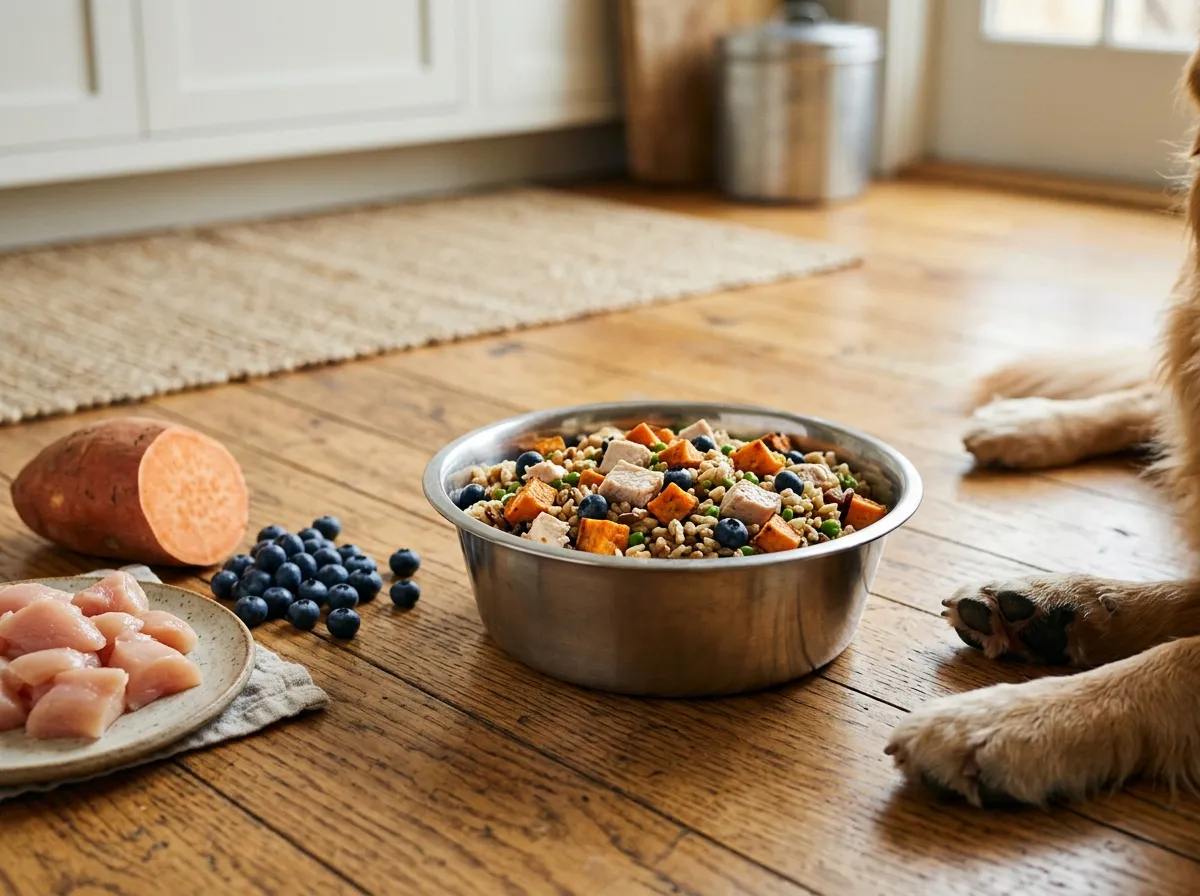
Stainless steel (304-grade/18-8) is the best option for most pets:
- Non-reactive and doesn’t leach chemicals
- Easy to sanitize
- Durable and won’t scratch
- Won’t harbor bacteria in crevices
- Affordable
Look for 304-grade (18/8) stainless steel specifically. Lower grades may contain more nickel. Avoid stainless bowls with plastic bases that contact food or water.
Ceramic bowls are fine if they’re:
- Lead-free and cadmium-free certified
- Made by a reputable manufacturer
- Not visibly chipped or cracked (damaged glaze can expose unsafe materials beneath)
Glass works for water bowls but isn’t practical for food bowls (breakage risk, especially with enthusiastic eaters).
If you currently use plastic bowls, switching to stainless steel is one of the easiest and cheapest upgrades you can make. A quality stainless steel bowl costs $5 to $15 and lasts essentially forever.
Food Quality: What Goes in Matters Too
Pet food quality is a massive topic, but from a chemical perspective, there are specific concerns.
Contaminants in Pet Food
- Heavy metals: Testing has found lead, arsenic, mercury, and cadmium in some pet foods, particularly those with fish-based proteins
- BPA from can linings: Canned pet food sits in BPA-lined or BPA-alternative-lined cans for months or years. The acidic and fatty nature of pet food accelerates chemical leaching from can linings.
- Pesticide residues: Non-organic grain-based pet foods may contain glyphosate and other pesticide residues
- Mycotoxins: Grain-based pet foods can contain aflatoxins and other mold toxins, especially in lower-quality brands
- PFAS: Some pet food packaging contains PFAS-based grease-proofing agents
Practical Steps
- Choose brands that test for contaminants and publish results. Brands like Open Farm and The Honest Kitchen have been relatively transparent.
- Rotate proteins to avoid accumulating contaminants from any single source (fish-based foods tend to have higher heavy metal levels).
- Consider fresh or freeze-dried food over kibble or canned food. Less processing means fewer opportunities for contamination.
- Store pet food in the original bag or transfer to a stainless steel or glass container. Avoid plastic storage bins that can leach chemicals into food over time.
- If using canned food, look for brands that disclose their can lining material and ideally use BPA/BPS-free linings.
The Home Environment: Where It All Connects
Your pet’s chemical exposure isn’t just about pet-specific products. It’s about the entire home environment. Every category we cover for human products affects your pets too:
- VOCs from furniture and paint fill the same air your pet breathes, and your pet breathes it closer to the source
- Flame retardants in your couch end up in dust your pet rolls in and grooms off their fur
- Cleaning product residues stay on floors where your pet lies and walks
- Air fresheners and scented candles release chemicals into shared indoor air
- Carpet and vinyl flooring off-gas at ground level, right where your pet spends most of their time
This is why our home detox guide matters for pet owners even more than for households without pets. Reducing chemicals in shared living spaces protects everyone.
Room-by-Room Pet Safety Checklist
Kitchen
- Replace plastic food and water bowls with stainless steel
- Store pet food in stainless steel or glass containers
- Use non-toxic cleaning products on floors and surfaces
- Keep pets away from conventional cleaning products while in use
Living Room
- Choose a non-toxic couch or cover existing furniture with a washable, untreated cotton cover
- Vacuum with a HEPA filter vacuum regularly
- Replace synthetic air fresheners with open windows or essential oil diffusers (safe oils only; keep diffusers out of reach of cats)
- Use non-toxic toys stored in a clean basket
Bedroom (if pets sleep there)
- Use a non-toxic pet bed or non-toxic mattress
- Wash pet bedding weekly in hot water with non-toxic detergent
- Keep the room well-ventilated
- Consider an air purifier with activated carbon for the room
Bathroom
- Store pet grooming products in a cool, dry place
- Use non-toxic dog shampoo
- Rinse the tub thoroughly after bathing your dog
Yard
- Use cedar mulch around the home perimeter
- Skip synthetic pesticides and herbicides where your dog plays
- Keep grass trimmed to reduce flea and tick habitat
- Provide clean, fresh water outdoors in a stainless steel bowl
Special Considerations for Cats
While this guide focuses primarily on dogs, cat owners should know:
- Cats are far more sensitive to essential oils than dogs. Most essential oils, including tea tree, peppermint, and citrus oils, can be toxic to cats. What’s safe for dogs is not necessarily safe for cats.
- Never use dog flea products on cats. Permethrin, common in dog flea treatments, is highly toxic to cats.
- Cats groom more frequently than dogs, which increases oral exposure to anything on their fur or paws.
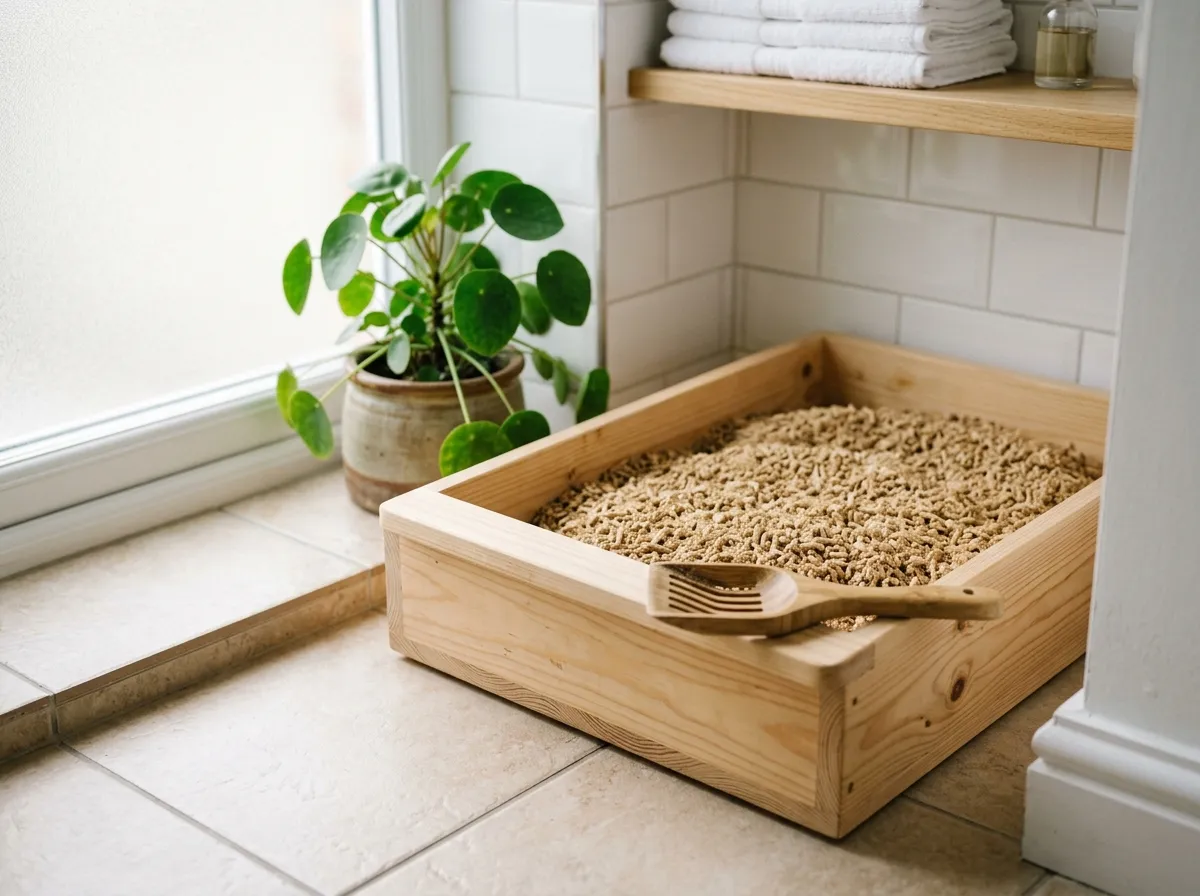
- Cat litter is another exposure source. Conventional clay litters create silica dust. Scented litters add synthetic fragrance. Choose unscented, natural litters made from walnut shell, pine, corn, or paper.
- Cats are sensitive to many VOCs. Avoid using conventional cleaning products, air fresheners, or scented products in rooms where cats spend time.
Making the Transition
You don’t need to overhaul everything at once. Prioritize based on exposure:
- Food and water bowls (cheapest, easiest swap: $10 for stainless steel)
- Grooming products (swap when your current product runs out)
- Cleaning products (biggest shared-environment impact)
- Toys (replace as current toys wear out)
- Bedding (next purchase when the current bed needs replacement)
- Flea and tick treatment (discuss natural options with your vet at the next visit)
The cumulative effect of these changes is significant. Each swap reduces one source of chemical exposure. Combined, they meaningfully lower your pet’s total body burden.
For the broader context on why these chemicals matter and how they affect health, our education guides cover the details:
- Is BPA-Free Actually Safe?
- What Are Phthalates?
- What Are VOCs?
- What Are Parabens?
- Toxic Chemicals to Avoid: The Master List
What Readers Want to Know
Are pets really more exposed to chemicals than humans?
Yes. Multiple studies have found that dogs and cats carry higher blood levels of flame retardants, phthalates, and PFAS than their human housemates in the same home. This is because pets are closer to contaminated floors and dust, they groom by licking (converting skin exposure to oral exposure), and their smaller body weight means the same dose is proportionally larger.
How much does switching to non-toxic pet products cost?
The upfront cost is often modest. Stainless steel bowls cost $5 to $15 and last forever. Non-toxic shampoo is comparable in price to conventional products (4-Legger is $18, Burt’s Bees is $9). Non-toxic toys cost slightly more ($10 to $20 vs. $3 to $5) but last much longer. Pet beds range from $45 (Molly Mutt) to $330 (Big Barker organic). Over a pet’s lifetime, the total cost difference is minor.
Is it worth switching if my pet seems healthy?
Yes. Chemical exposure effects are often chronic and cumulative. Your pet may not show symptoms for years, but exposure now contributes to long-term health outcomes. Cancer rates in dogs have increased significantly over the past few decades, and environmental chemical exposure is one factor researchers are examining.
Can I use the same non-toxic cleaning products around pets?
Most non-toxic cleaning products designed for humans are safe around pets. Look for fragrance-free, plant-based formulas. Avoid products with essential oils around cats (especially tea tree, peppermint, and citrus). When mopping floors, let them dry completely before allowing pets to walk on them.
What about pet clothing and accessories?
Collars, leashes, and clothing made from PVC, vinyl, or fabric with synthetic waterproofing treatments can contain phthalates, PFAS, or other chemicals. Choose collars and leashes made from organic cotton, hemp, or vegetable-tanned leather. Avoid nylon treated with PFAS-based water repellents.
How do I find safe pet products when shopping?
Look for brands that disclose all materials, carry third-party certifications (CertiPUR-US for foam, OEKO-TEX for textiles, USDA Organic for grooming products), and are transparent about manufacturing. Avoid products with vague claims like “natural” or “eco-friendly” without specific certifications to back them up.
You Might Also Like
- Best Non-Toxic Cat Litter Alternatives
- Best Non-Toxic Dog Food Brands
- Best Non-Toxic Carpeting for Your Home
Sources
- Dye, J.A., Venier, M., et al. “Elevated PBDE Levels in Pet Cats: Sentinels for Humans?” Environmental Science & Technology, 2007.
- American Veterinary Medical Association. Pet ownership statistics.
- FDA. “Animal Drug Safety Communication: Isoxazoline Products.” 2018.
- Environmental Working Group. “Polluted Pets: High Levels of Toxic Industrial Chemicals Contaminate Cats and Dogs.” 2008.
- CertiPUR-US. Foam certification standards. CertiPUR-US.
- 4-Legger. USDA Organic certification details. 4-legger.com.
- West Paw. Material safety and manufacturing information. westpaw.com.
- California Bureau of Home Furnishings and Thermal Insulation. Technical Bulletin 117-2013.