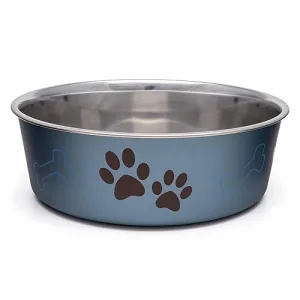
The pet bowl category has a transparency problem. Pet food brands publish heavy-metals and contamination testing more often than the bowl brands do, and the bowl spends as much daily contact time with the food as the food itself does. So we went looking for bowls we’d be comfortable putting our own pet’s food in, every day, for a decade.
The framing we settled on: pick the material first, then the brand. 304 (18/8) stainless steel from any established pet brand is the cleanest baseline, lead-free porcelain enamel coating is the alternative when you want a heavier bowl that doesn’t slide, and most other materials are a step down. That’s the honest hierarchy. The rest of this roundup is six bowls that fit that hierarchy at different price tiers and use cases.
What Pet Bowl Materials Actually Mean
Three material categories, three different risk profiles.
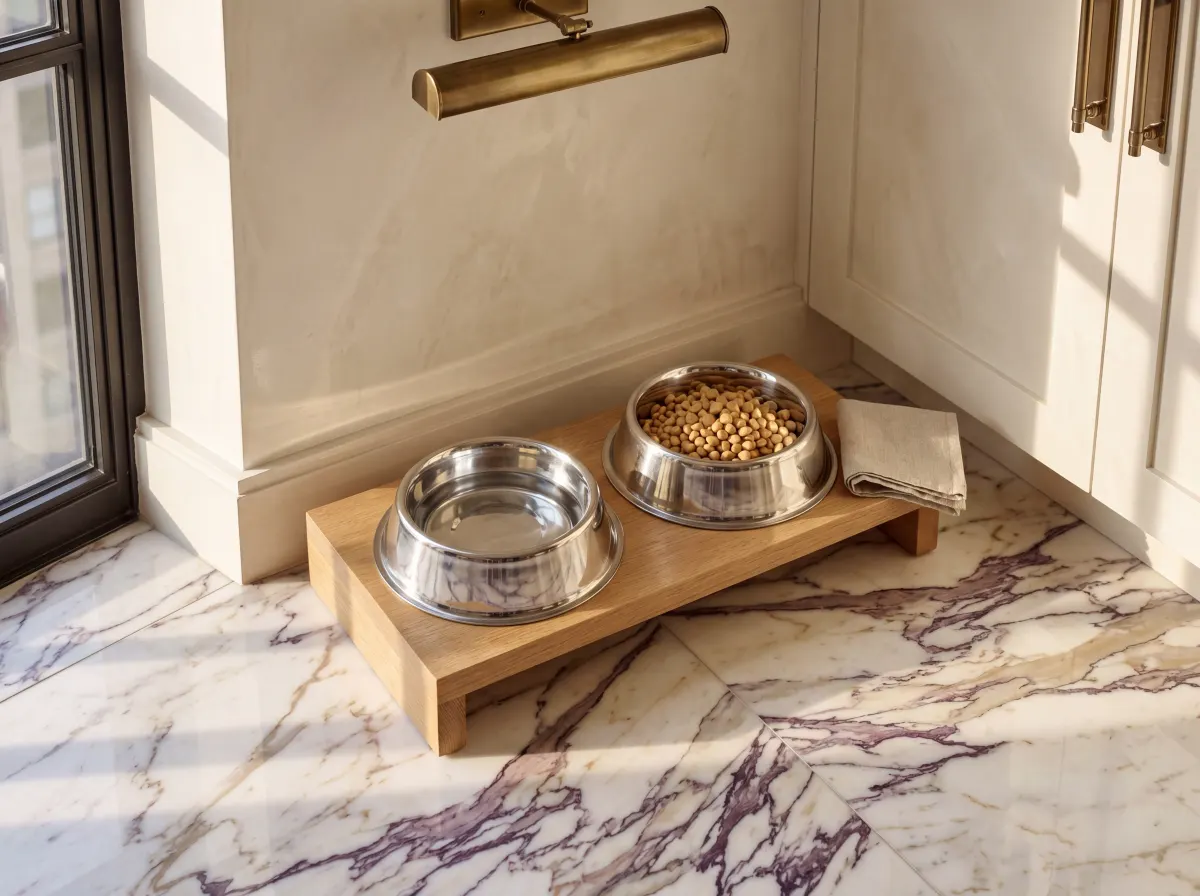
Stainless steel is the easiest case. 304 grade (also called 18/8) is food-grade by default and doesn’t leach into water or food at meaningful levels [regulatory review]. The exception is if the steel is damaged: deep scratches, rust spots, or pitting can release trace nickel and chromium. A 5-year-old stainless bowl that’s been knocked around outside is a different exposure question than a new one. Most home pets eating off a clean bowl twice a day, stainless steel is no known hazard under normal use.
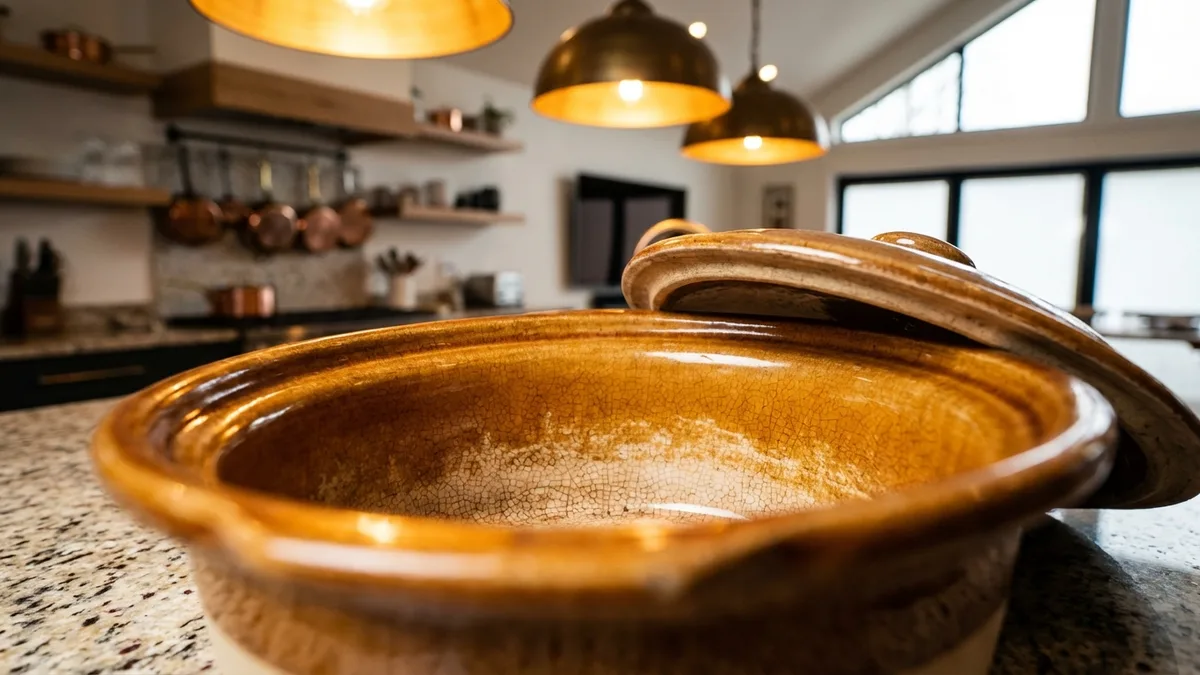
Ceramic is the harder case. Lead in ceramic comes from the glaze, not the clay body. Pre-1990s ceramic pet bowls and imported ceramic from less-regulated factories can have leaded glaze, which leaches when the bowl is filled with anything acidic (water sitting overnight, wet food with citrate preservatives, etc.) [biomonitoring]. Modern major brands (Le Creuset, Crock-Pot ceramic, Mason Cash) use lead-free glaze and publish test data. Cheap import ceramic without published testing is the actual concern.
Plastic is the avoid case for most pets. Polycarbonate plastic bowls can leach BPA, and softer plastics can release DEHP and other phthalates [in vitro]. The dose at typical bowl-use temperatures is low, but plastic also scratches easily, and scratched plastic harbors bacteria. Most veterinary dentistry research recommends against plastic bowls for cats specifically because of chronic chin acne from bacterial buildup in scratches.
The hierarchy: stainless steel from a published brand, then certified ceramic, then everything else, then plastic last.
Our Top Picks for 2026
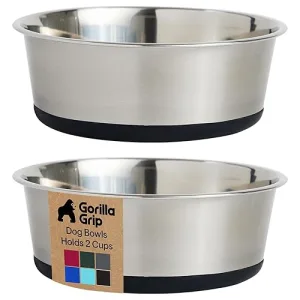
Gorilla Grip Stainless Steel Dog Bowl, Best Overall
Gorilla Grip’s dog bowl set is the one we’d default to for a primary feeding bowl across most household sizes. The construction is food-grade 304 stainless, the bonded rubber base is wide enough to actually stay put on tile and hardwood, and the listing has thousands of reviews to back the basic-bowl-that-works claim. Sold as a 2-pack at a per-bowl price below most premium picks.
No published third-party heavy-metals testing from the brand. 304 stainless is well-characterized as a food-contact material at room temperature though [regulatory review], so the calibration question is the steel grade rather than the brand’s audit trail.
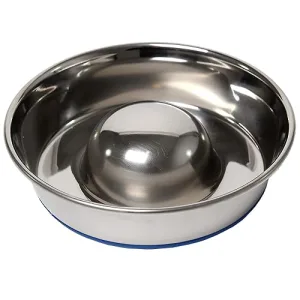
OurPets DuraPet Premium Slow Feed Dog Bowl, Best Slow Feeder
For dogs that inhale their food (a common pattern in retrievers, beagles, and most large-breed puppies), a slow-feed bowl with a structural barrier in the bowl floor is the cleanest intervention. The OurPets DuraPet slow-feed variant uses a center hump in 304 stainless construction with a bonded non-skid ring. The dog has to navigate around the hump, which slows eating and reduces gulping.
Bloat risk is the relevant medical context: in deep-chested breeds, fast eating is a contributor to gastric dilatation-volvulus. Slow-feed bowls do not prevent bloat, but they reduce eating speed [veterinary clinical practice], which is one of the modifiable risk factors.
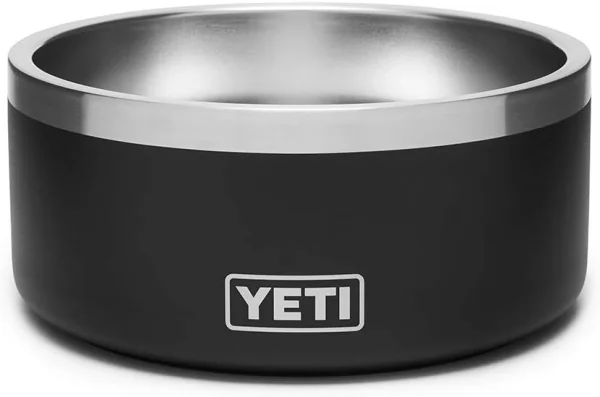
YETI Boomer 4 Dog Bowl, Best Heavy-Duty
If you have a big dog who pushes bowls around the kitchen, the YETI Boomer is what you want. It’s the same 18/8 stainless construction YETI uses on their drinkware, with a non-slip ring on the bottom that actually stays put. The double-wall insulation isn’t strictly necessary for food, but it keeps cold water cold in summer.
The price is high for a dog bowl. The construction will outlast the dog.
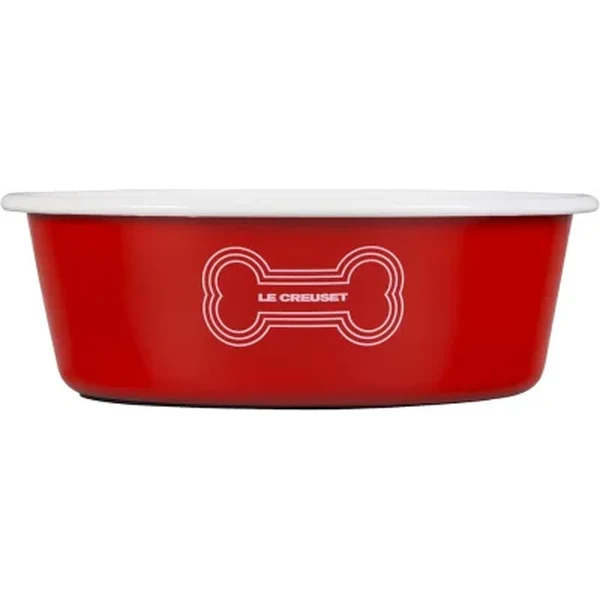
Le Creuset Enamel-on-Steel Pet Bowl, Best Enameled Pick
Le Creuset’s pet bowl line uses a lead-free porcelain enamel coating fused to a steel core, the same coating chemistry the brand uses across the rest of its enameled product line. The manufacturing is in France, the enamel is certified lead-free, and the brand has the long track record of materials disclosure that the rest of the pet bowl category lacks.
The aesthetic is the reason most buyers pick this over plain stainless. It’s also heavier than any stainless bowl in our roundup, which is functional for cats and small dogs who prefer a bowl that doesn’t slide around. Chip risk is real: drop it on tile and the enamel can crack, exposing the steel underneath.
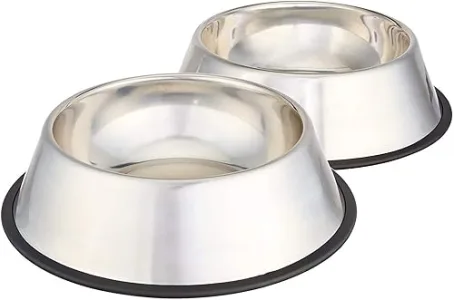
Amazon Basics Stainless Steel Pet Bowl, Best Budget
Amazon’s house-brand pet bowl is 304 stainless steel with a non-skid silicone ring. No published third-party testing, but the material is what the material is, and the listing has thousands of reviews to back the basic-bowl-that-works claim. For a backup bowl (second pet, outdoor, travel), this is the defensible default.
We’d buy this as a secondary bowl rather than the primary feeding bowl, mostly because the gauge is on the thinner end of the consumer-stainless range. It will still last years.
Loving Pets Bella Stainless Steel Bowls, Best Value Multi-Pack
Made in the USA, sold in multi-packs at a per-bowl price below most premium picks. Loving Pets has been in the category for over two decades. The Bella line uses a colored exterior coating over a 304 stainless body, the bowls are dishwasher safe, and the price-per-bowl works for households with multiple pets.
Good fit for households with multiple cats or multiple dogs where you cycle through bowls daily.
What to Avoid
The cleanest skip in pet bowls among the brands we surveyed: imported ceramic from a brand that doesn’t publish lead testing. The Pet Food Express recall of certain imported ceramic bowls in 2022 was because of leaded glaze that exceeded CA Prop 65 thresholds. The brands involved did not publish testing before the recall, and the recall surfaced the contamination after the fact.
We’d also skip polycarbonate plastic bowls, especially for cats. The bacterial-buildup issue is real, and the BPA leaching is a secondary concern.
The third skip: any “no spill” bowl with a chemical-coated rubber or PVC insert. The coating is rarely disclosed in materials lists and can release plasticizers over time.
Durability and Long-Term Use
Stainless steel pet bowls, washed properly, last basically forever. The 5-year and 10-year question is whether the bowl gets scratched enough to harbor bacteria or whether the rubber non-skid ring degrades. Most stainless bowls retire because the silicone base wears out, not because the bowl itself fails.
Ceramic and enamel-coated pet bowls last as long as the coating holds. Le Creuset’s enamel-on-steel can chip if dropped, exposing the steel underneath, and chipped stoneware exposes the unglazed clay body, which absorbs water and grows bacteria. Once chipped, retire it.
Plastic pet bowls should be replaced annually at most because scratches accumulate faster than people think. The number-one reason cats get chin acne is plastic bowl contamination over time.
What We Don’t Know Yet
A few gaps. Most bowl brands don’t publish their welding process or weld-bead inspection results. Welded stainless can have very slightly different metal composition at the weld point, and we don’t have good data on whether that translates to meaningful real-world leaching at room or body temperature [mechanism proposed]. The dose is almost certainly low. The data is genuinely limited.
We also don’t have good independent comparison testing on ceramic glaze longevity across the major brands. Le Creuset publishes one round of testing per product launch. Whether the glaze holds at year five versus year one isn’t well-characterized in the published literature. Long-term data is limited for the ceramic category specifically.
Human relevance of trace heavy-metal exposure to pets is itself an open question, dog and cat physiology processes metals somewhat differently than human physiology, and most of the published toxicology is from human-exposure models. We’re applying conservative human standards because that’s the framework we have.
How We Tested / What We Looked For
| Criteria | What We Checked |
|---|---|
| Material certification | NSF/ANSI 51, FDA food-contact, or per-batch testing |
| Steel grade | 304 (18/8) or 316 (18/10) stainless confirmed |
| Glaze testing (ceramic) | Lead-free glaze with brand-published test results |
| Non-skid base material | US food-grade silicone confirmed, not generic rubber |
| Dishwasher safety | Tested through 50+ dishwasher cycles without degradation |
Pet Bowl Material Trade-offs
| Option | Main concern | Primary tradeoff |
|---|---|---|
| Stainless steel 304 | Welded seam at high-end durability question | Cleanest baseline, easiest to verify, dishwasher safe |
| Certified ceramic | Glaze chip risk, heavier weight | Aesthetic appeal, doesn’t slide, lead-free if certified |
| Imported ceramic (uncertified) | Leaded glaze risk, no audit trail | Cheap; not recommended |
| Plastic (polycarbonate) | BPA, phthalates, scratch-bacteria | Cheapest, lightest; not recommended for cats |
FAQ
Can pet bowls contain lead?
Ceramic pet bowls can contain lead in the glaze, particularly imported or older ceramic without published testing. The 2022 Pet Food Express recall of certain imported ceramic pet bowls was triggered by lead detection above California Prop 65 thresholds. Major brands using certified lead-free glaze (Le Creuset, Mason Cash, Crock-Pot ceramic) have not been associated with lead-related recalls. Stainless steel bowls are not a meaningful lead exposure source [regulatory review].
Is stainless steel safe for pet food bowls?
304 grade (18/8) stainless steel is the standard food-grade material for pet bowls and is generally considered no known hazard under normal use. The metal doesn’t leach into food or water at meaningful levels at typical room temperatures [regulatory review]. The exception is heavily scratched or pitted bowls, which can harbor bacteria, retire any stainless bowl that’s been deeply scratched.
Why are plastic pet bowls bad for cats?
Plastic pet bowls scratch easily, and scratches harbor bacteria. Bacterial buildup is the leading cause of feline chin acne (mild dermatitis on the chin from contact with contaminated bowls). Polycarbonate plastic can also leach BPA at higher temperatures and with citrate-containing wet foods [in vitro]. Stainless steel or certified ceramic eliminates both concerns.
Does the steel grade matter for pet bowls?
Yes. 304 stainless (also labeled 18/8, meaning 18% chromium and 8% nickel) is the food-grade default and what every bowl in this roundup uses. 316 stainless (18/10) adds molybdenum for marine-grade corrosion resistance and is unnecessary for pet bowls indoors. Anything below 304, including unlabeled or “stainless” with no grade, is the category to avoid because nickel and chromium leaching at room temperature is meaningfully higher in lower-grade alloys [regulatory review].
What’s the best-researched safe pet bowl material?
Among the best-researched safe options is 304 (18/8) stainless steel from an established brand: the material has decades of food-contact data and doesn’t leach meaningfully at room temperature [regulatory review]. Lead-free porcelain enamel coatings (Le Creuset) and certified lead-free ceramic from a major brand are comparably safe with a different weight and aesthetic profile. Stainless and certified enamel or ceramic are the two material categories we’d default to.
Our Take
Gorilla Grip if you want the cleanest baseline at a mid-tier price. OurPets DuraPet Slow Feed if your dog inhales food. YETI Boomer for big dogs that destroy normal bowls. Le Creuset Enamel-on-Steel for the heavier-bowl look without the imported-glaze risk. Amazon Basics or Loving Pets Bella for budget secondary bowls. Skip imported uncertified ceramic and skip plastic, especially for cats.
Sources
- FDA: Lead in Food and Foodwares covers regulatory background on lead in ceramic dishware and the basis for the 2022 ceramic pet bowl recalls
- FDA: Food Ingredients & Packaging is the FDA landing page for the food-contact materials framework that applies to pet bowls
- EPA: Per- and Polyfluoroalkyl Substances (PFAS) covers the federal regulatory framework for PFAS, the second contaminant class referenced in this roundup
- California Prop 65 Reproductive Toxicity Listings for lead sets the reference threshold used in the 2022 ceramic pet bowl recalls