There are over 80,000 chemicals registered for use in the United States, and only a fraction have been thoroughly tested for safety. This guide covers the 12 most common toxic chemicals you’ll encounter in everyday products: what they are, where they’re hiding, what the health risks look like, and how to avoid each one. Think of this as your reference sheet for reading labels and making informed purchases.
We vet products based on published ingredient lists, third-party lab testing, and recognized certifications. You can see how we evaluate and select products in detail. Leonardo Trasande, an environmental health researcher at NYU Langone, estimates that the health costs from endocrine-disrupting chemicals alone exceed $340 billion annually in the U.S. That number covers IQ loss, obesity, infertility, and other conditions linked to chemical exposure. The scale of the problem is enormous, but the individual actions that reduce your exposure are surprisingly practical.
1. PFAS (Per- and Polyfluoroalkyl Substances)
What It Is
PFAS are a family of over 14,000 synthetic chemicals built on carbon-fluorine bonds, among the strongest in chemistry. Scientists call them “forever chemicals” because they don’t break down in the environment. They persist in soil, water, air, and your body for years to decades.
Where It’s Found
- Nonstick cookware (PTFE/Teflon coatings)
- Waterproof clothing and outdoor gear
- Stain-resistant fabric treatments
- Fast food wrappers and pizza boxes
- Firefighting foam (AFFF)
- Contaminated drinking water
- Some dental floss and cosmetics
Health Effects
PFAS exposure is linked to thyroid disease, liver damage, immune suppression, kidney cancer, testicular cancer, high cholesterol, and reproductive problems. The CDC has detected PFAS in the blood of 97% of Americans tested.
Stanford neuroscientist Andrew Huberman dedicated a full episode of his podcast to PFAS and microplastics, calling water filtration one of the most impactful steps for reducing chemical exposure.
How to Avoid It
Filter your drinking water with a system rated for PFAS removal. Avoid nonstick cookware with PTFE coatings. Skip stain-resistant fabric treatments. Choose PFAS-free outdoor clothing (check brand transparency reports).
Deep dive: What Are PFAS (Forever Chemicals)?
Related guides: Best Non-Toxic Cookware | Best Water Filters for PFAS
2. BPA, BPS, and BPF (Bisphenols)
What It Is
Bisphenol A (BPA) is a synthetic chemical used to make polycarbonate plastics and epoxy resins. When companies removed BPA due to health concerns, they replaced it with structurally similar compounds: BPS and BPF. Research shows these replacements are equally problematic.
Where It’s Found
- Plastic food and beverage containers
- Can linings
- Thermal receipt paper
- Water bottles and baby bottles
- Plastic food storage containers
- Some dental sealants
Health Effects
Bisphenols mimic estrogen, disrupting hormone signaling. They’re linked to reproductive problems, metabolic disorders, cardiovascular issues, and developmental problems in children. Laura Vandenberg’s research at UMass Amherst has demonstrated that BPS disrupts hormones at extremely low doses comparable to everyday exposure levels.
How to Avoid It
Use glass or stainless steel for food and beverage storage. Avoid canned foods or choose brands with BPA-free (and BPS-free) linings. Decline paper receipts or wash hands after handling them. Never heat food in plastic containers.
Deep dive: Is BPA-Free Actually Safe?
Related guides: Best Non-Toxic Baby Bottles | Best Non-Toxic Water Bottles | Best Non-Toxic Food Storage
3. Phthalates
What It Is
Phthalates are plasticizers used to make PVC flexible and to carry fragrance in personal care products. They don’t bond to the materials they’re in, so they continuously leach into air, food, and skin.
Where It’s Found
- Fragrance in personal care products (hidden under “fragrance” or “parfum”)
- Vinyl/PVC flooring, shower curtains, and products
- Plastic food packaging
- Nail polish
- Some medications (enteric coatings)
- Air fresheners and scented candles
- Children’s toys (soft plastic/vinyl)
Health Effects
Phthalates are anti-androgens that interfere with testosterone. Shanna Swan’s research links prenatal phthalate exposure to reduced anogenital distance in male infants, declining sperm counts, and reproductive abnormalities. Additional effects include endometriosis, early puberty in girls, obesity, and neurodevelopmental problems.
How to Avoid It
Choose fragrance-free personal care products. Avoid PVC products (recycling code #3). Use glass or stainless steel food storage. Read labels for any ingredient ending in “-phthalate.” Choose wood, natural rubber, or silicone toys over soft vinyl.
Deep dive: Phthalates: Where They Hide and How to Avoid Them
Related guides: Best Non-Toxic Shampoo | Best Non-Toxic Candles
4. Parabens
What It Is
Parabens are synthetic preservatives (methylparaben, propylparaben, butylparaben, etc.) used to prevent bacterial growth in personal care products, cosmetics, and some foods.
Where It’s Found
- Shampoo and conditioner
- Body lotion and face cream
- Deodorant and antiperspirant
- Cosmetics (foundation, mascara, lipstick)
- Toothpaste
- Some medications
- Processed foods (listed as E214-E219 in the EU)
Health Effects
Parabens mimic estrogen. They bind to estrogen receptors and have been detected in breast tumor tissue. Research links them to reproductive effects, altered thyroid function, and skin sensitivity when exposed to UV light. The EU has banned several parabens and restricted others in cosmetics. The U.S. has no restrictions.
How to Avoid It
Read ingredient lists for anything ending in “-paraben.” Choose products with EWG Verified or Made Safe certifications. Consider bar-form products (shampoo bars, bar soap) that need fewer preservatives. Choose fragrance-free when possible.
Deep dive: Parabens in Personal Care: What You Need to Know
Related guides: Best Non-Toxic Shampoo
5. VOCs (Volatile Organic Compounds)
What It Is
VOCs are carbon-based chemicals that evaporate at room temperature and enter indoor air. They’re the source of “new furniture smell,” “new car smell,” and the lingering odor after cleaning. Common VOCs include formaldehyde, benzene, toluene, xylene, and acetaldehyde.
Where It’s Found
- Paint and finishes
- New furniture (especially pressed wood)
- Cleaning products
- Air fresheners
- Carpet and vinyl flooring
- Building materials and adhesives
- Personal care products
Health Effects
Short-term: headaches, eye and throat irritation, dizziness, nausea. Long-term: cancer (formaldehyde and benzene are confirmed carcinogens), respiratory damage, neurological effects, liver and kidney damage. Indoor VOC concentrations are typically 2 to 5 times higher than outdoors.
How to Avoid It
Choose zero-VOC paint. Buy solid wood furniture or look for GreenGuard Gold certification. Use non-toxic cleaning products. Ventilate aggressively after painting or bringing new products indoors. Use air purifiers with activated carbon filters. Avoid synthetic air fresheners.
Deep dive: What Are VOCs? Health Risks and How to Avoid Them
Related guides: Best Non-Toxic Paint | Best Non-Toxic Couch | Best Non-Toxic Cleaning Products
6. Formaldehyde
What It Is
Formaldehyde is a colorless, strong-smelling gas classified as a Group 1 carcinogen (known to cause cancer in humans) by the International Agency for Research on Cancer. While it’s technically a VOC, it deserves its own entry because of how pervasive it is.
Where It’s Found
- Pressed wood products (plywood, MDF, particleboard)
- Permanent-press and wrinkle-resistant fabrics
- Some adhesives and glues
- Keratin hair straightening treatments
- Nail polish and nail hardeners
- Some cleaning products
- Building insulation
- Tobacco smoke
Health Effects
Formaldehyde causes nasopharyngeal cancer and leukemia. At lower exposures, it irritates eyes, nose, and throat, triggers asthma, and causes skin reactions. Children and people with asthma are particularly sensitive.
How to Avoid It
Choose solid wood or formaldehyde-free pressed wood (look for CARB Phase 2 or NAF certification). Avoid permanent-press fabrics or wash them several times before wearing. Ask about formaldehyde content in keratin treatments. Ventilate new furniture before bringing it inside.
7. Flame Retardants
What It Is
Flame retardants are chemicals added to furniture foam, mattresses, electronics, and children’s products to slow the spread of fire. Common types include PBDEs, TDCPP (chlorinated tris), and organophosphate flame retardants. Many have been phased out over the years, only to be replaced by equally questionable alternatives.
Where It’s Found
- Couch and chair cushions (polyurethane foam)
- Mattresses
- Carpet padding
- Children’s car seats and strollers
- Electronics
- Some yoga mats
- Building insulation
Health Effects
Flame retardants are linked to thyroid disruption, neurodevelopmental effects in children, reduced fertility, and cancer. They migrate out of products and into household dust, where they’re inhaled and ingested. Children are disproportionately exposed because they spend more time on the floor and put their hands in their mouths.
The irony is that many flame retardant treatments don’t significantly improve fire safety in real-world conditions but do reliably expose everyone in the home to toxic chemicals.
How to Avoid It
Look for TB117-2013 compliant furniture (requires flame resistance without requiring chemical treatments). Choose organic or natural latex mattresses without chemical flame retardants. Vacuum with a HEPA filter regularly. Wash children’s hands frequently.
Related guides: Best Non-Toxic Couch | Best Non-Toxic Mattresses | Best Non-Toxic Yoga Mats
8. Triclosan
What It Is
Triclosan is an antimicrobial chemical that was once ubiquitous in antibacterial soaps, hand sanitizers, and toothpaste. The FDA banned it from consumer hand soaps in 2016, but it persists in some products.
Where It’s Found
- Some toothpaste brands (Colgate Total contains a related compound)
- Certain cosmetics and deodorants
- Antibacterial cleaning products
- Some clothing treated with antimicrobial finishes
- Cutting boards and kitchen tools marketed as “antibacterial”
Health Effects
Triclosan disrupts thyroid hormones, alters gut microbiome composition, and contributes to antibiotic resistance. Research in animal models links it to liver fibrosis and tumor promotion. It bioaccumulates and persists in the environment, contaminating waterways and aquatic organisms.
How to Avoid It
Use plain soap and water (the CDC confirms it’s equally effective for hand hygiene). Avoid products labeled “antibacterial” unless medically necessary. Check toothpaste ingredient lists.
9. SLS and SLES (Sodium Lauryl Sulfate / Sodium Laureth Sulfate)
What It Is
SLS is a surfactant (foaming agent) used in personal care and cleaning products. SLES is a milder derivative. They’re not endocrine disruptors, but they’re irritants that can damage the skin’s protective barrier.
Where It’s Found
- Shampoo
- Toothpaste
- Body wash and face wash
- Dish soap
- Laundry detergent
Health Effects
SLS strips natural oils from skin and hair, causing dryness, irritation, and contact dermatitis in sensitive individuals. SLES is less irritating but can be contaminated with 1,4-dioxane (see below) during manufacturing. SLS can also cause mouth ulcers in people prone to canker sores (it’s the main reason switching to SLS-free toothpaste often helps).
How to Avoid It
Choose sulfate-free personal care products. Look for gentler surfactants like cocamidopropyl betaine, decyl glucoside, or sodium cocoyl isethionate. Our non-toxic shampoo guide covers sulfate-free options.
10. 1,4-Dioxane
What It Is
1,4-Dioxane is a probable human carcinogen that isn’t intentionally added to products. It’s a byproduct of ethoxylation, a manufacturing process used to make harsh ingredients gentler. It contaminates finished products as a trace impurity.
Where It’s Found
- Products containing ingredients with “eth” in the name (sodium laureth sulfate, PEG compounds, ceteareth, oleth)
- Shampoo, body wash, and liquid soap
- Baby shampoo and children’s personal care
- Laundry detergent
- Dish soap
Health Effects
1,4-Dioxane is classified as a probable human carcinogen (Group 2B by IARC). It’s been linked to liver and nasal cavity cancers in animal studies. It also contaminates groundwater because it’s highly water-soluble and resists conventional water treatment.
How to Avoid It
Avoid products with ingredients ending in “-eth” (laureth, myreth, ceteareth). Skip PEG compounds. Look for brands that test for 1,4-dioxane contamination (EWG Verified products are tested). Choose products with “ethoxylation-free” or “1,4-dioxane-free” claims.
11. Lead
What It Is
Lead is a heavy metal and potent neurotoxin. There is no safe level of lead exposure, according to the CDC. It’s been banned from paint (1978) and gasoline (1996) in the U.S., but it persists in older homes and turns up in unexpected products.
Where It’s Found
- Paint in homes built before 1978
- Some imported spices and candies
- Certain ceramics and pottery (especially imported or vintage)
- Some lipstick and cosmetics (as a contaminant)
- Older plumbing fixtures and solder
- Contaminated soil near older homes and industrial areas
- Some vinyl products (lead is used as a PVC stabilizer)
Health Effects
Lead damages the brain and nervous system, particularly in children. Even low-level exposure causes IQ reduction, behavioral problems, learning difficulties, and attention deficits. In adults, lead exposure is linked to kidney damage, high blood pressure, and reproductive problems.
How to Avoid It
Test paint in pre-1978 homes before disturbing it. Use a certified water filter (look for NSF 53 certification for lead). Choose cosmetics from brands that test for heavy metals. Avoid imported ceramics for food use unless certified lead-free. Wash children’s hands frequently. Test soil if you garden near older structures.
Related guides: How to Test Your Water Quality | Microplastics in Drinking Water
12. PVC (Polyvinyl Chloride)
What It Is
PVC, or vinyl, is the third most widely produced plastic in the world. The problem with PVC isn’t just the finished product. The manufacturing, use, and disposal of PVC all release toxic chemicals. PVC products require plasticizers (often phthalates), stabilizers (sometimes lead or cadmium), and other additives to be functional.
Where It’s Found
- Vinyl flooring
- Shower curtains
- Plastic wrap (some brands)
- Vinyl clothing and accessories
- Children’s toys (soft, flexible plastic)
- Garden hoses
- Plumbing pipes (PVC pipe itself is rigid and less concerning than flexible PVC products)
- Packaging and blister packs
Health Effects
PVC’s health effects come from its additives: phthalates (endocrine disruption), lead stabilizers (neurotoxicity), and vinyl chloride monomer (a known carcinogen that can off-gas from new PVC products). Burning or incinerating PVC releases dioxins, which are among the most toxic substances known.
How to Avoid It
Look for recycling code #3 and avoid it. Choose fabric shower curtains or PEVA alternatives. Use natural rubber, silicone, or wood instead of soft vinyl products. Avoid PVC flooring in favor of tile, hardwood, or cork. Don’t let children mouth vinyl toys.
The Cumulative Exposure Problem
One of the biggest gaps in how chemicals are regulated is that each substance is evaluated individually. The EPA tests chemical A at dose X. If the dose is below the threshold for harm, it’s deemed safe. But nobody is exposed to just one chemical.
In a typical morning, you might:
- Shower with shampoo containing parabens and SLS
- Apply lotion with phthalate-containing fragrance
- Brush teeth with SLS-containing toothpaste
- Drink water with trace PFAS
- Heat food in a plastic container that leaches BPS
- Drive to work inhaling VOCs from the car interior
- Sit in an office with formaldehyde-emitting furniture
Each individual exposure might be “below the threshold.” But combined, they form a chemical cocktail that no regulator has ever tested. Researchers call this the “mixture effect” or “cocktail effect,” and it’s one of the fastest-growing areas of environmental health research.
Shanna Swan’s work on reproductive health illustrates this perfectly. It’s not one chemical causing declining sperm counts and fertility problems. It’s the total endocrine-disrupting load from bisphenols, phthalates, parabens, PFAS, pesticides, and other chemicals acting together.
The practical implication: reducing exposure across multiple categories matters more than perfectly eliminating one chemical. Every source you remove lightens the overall load.
Protecting Children and Pregnant Women
Children and developing fetuses are the most vulnerable populations for chemical exposure. Their cells are dividing rapidly, their organ systems are forming, their detoxification systems are immature, and they eat and breathe more per unit of body weight than adults.
Key steps for families with children:
- Pregnancy: Switch to fragrance-free personal care, filter drinking water, avoid plastic food containers, skip canned food when possible. The first trimester is the most sensitive period for endocrine disruption effects.
- Infants: Use glass or stainless steel baby bottles. Choose fragrance-free baby products. Avoid vinyl toys and teethers. Select a non-toxic crib mattress.
- Toddlers: They put everything in their mouths and spend time on the floor. HEPA-filter vacuuming, wet-mopping floors, and choosing non-toxic toys and furniture reduce their highest exposure routes.
- School-age children: Pack lunches in non-toxic food storage. Teach handwashing after handling receipts and before eating. Choose non-toxic school supplies.
Pets Are Exposed Too
If you have dogs or cats, they share your chemical environment and often at higher doses. Pets are closer to floors and dust, they groom by licking (turning skin exposure into oral exposure), and they have smaller bodies. Studies have found that pets carry higher blood levels of flame retardants and phthalates than their human housemates.
Our non-toxic pet care guide covers the full picture: safe dog toys, non-toxic dog shampoo, chemical-free dog beds, and natural flea treatment.
Quick-Reference Chart
| Chemical | Primary Concern | Easiest Way to Avoid |
|---|---|---|
| PFAS | Cancer, thyroid, immune | Filter water, skip nonstick |
| BPA/BPS/BPF | Hormone disruption | Glass/steel for food & drinks |
| Phthalates | Fertility, development | Fragrance-free products |
| Parabens | Estrogenic activity | Read labels for “-paraben” |
| VOCs | Cancer, respiratory | Zero-VOC paint, ventilate |
| Formaldehyde | Cancer | Solid wood, no pressed board |
| Flame retardants | Thyroid, neuro | Organic furniture/mattress |
| Triclosan | Thyroid, gut, antibiotic resistance | Skip “antibacterial” products |
| SLS/SLES | Skin irritation | Sulfate-free products |
| 1,4-Dioxane | Cancer | Avoid “-eth” ingredients |
| Lead | Neurotoxicity | Test water, test old paint |
| PVC | Phthalates + vinyl chloride | Avoid recycling code #3 |
Where to Start: The Highest-Impact Changes
If this list feels overwhelming, NonToxicLab recommends focusing on the changes that reduce the most exposure:
-
Filter your drinking water. This addresses PFAS, lead, and other contaminants you consume every day. Check our microplastics in drinking water guide for context on what’s in tap water.
-
Switch to fragrance-free personal care products. This eliminates phthalates and reduces paraben exposure in one move.
-
Replace plastic food storage with glass or stainless steel. This reduces BPA/BPS, phthalate, and microplastic exposure from food contact.
-
Swap conventional cleaning products for non-toxic alternatives. This drops your indoor VOC levels immediately.
-
Address your mattress and couch. You spend a third of your life on your mattress and hours daily on your couch. If they contain flame retardants and are off-gassing VOCs, that’s significant long-term exposure.
For a room-by-room approach, our how to detox your home guide provides a structured plan.
What People Ask
What is the most dangerous chemical in household products?
According to NonToxicLab’s research, it depends on the exposure level and duration, but PFAS and formaldehyde consistently rank among the highest-concern chemicals. PFAS because they accumulate in the body for years and contaminate drinking water, and formaldehyde because it’s a confirmed human carcinogen found in extremely common products like pressed wood furniture.
How do I know if a product contains toxic chemicals?
Read ingredient labels (especially for personal care), check recycling codes on plastics (avoid #3 and #7), look for third-party certifications (EWG Verified, Made Safe, GreenGuard Gold), and use resources like the EWG Skin Deep database for personal care products.
Are “natural” products always safe?
No. “Natural” has no regulated definition for most product categories. Some natural substances are toxic (lead is natural), and some synthetic ingredients are perfectly safe. Focus on specific ingredients and certifications rather than marketing language.
Is it possible to avoid all toxic chemicals?
Not completely. Many of these chemicals are in air, water, dust, and soil at this point. The goal is to reduce exposure from the sources you can control, which are primarily the products you bring into your home and the food and water you consume. Even partial reduction matters because for chemicals like phthalates and BPA that your body clears relatively quickly, lower ongoing exposure means measurably lower body levels.
Which certifications should I trust?
The most reliable third-party certifications include: EWG Verified (personal care), Made Safe (broad product categories), GreenGuard Gold (furniture and building materials), OEKO-TEX Standard 100 (textiles), CertiPUR-US (foam), and NSF certifications (water filters). These involve actual testing, not just self-reporting.
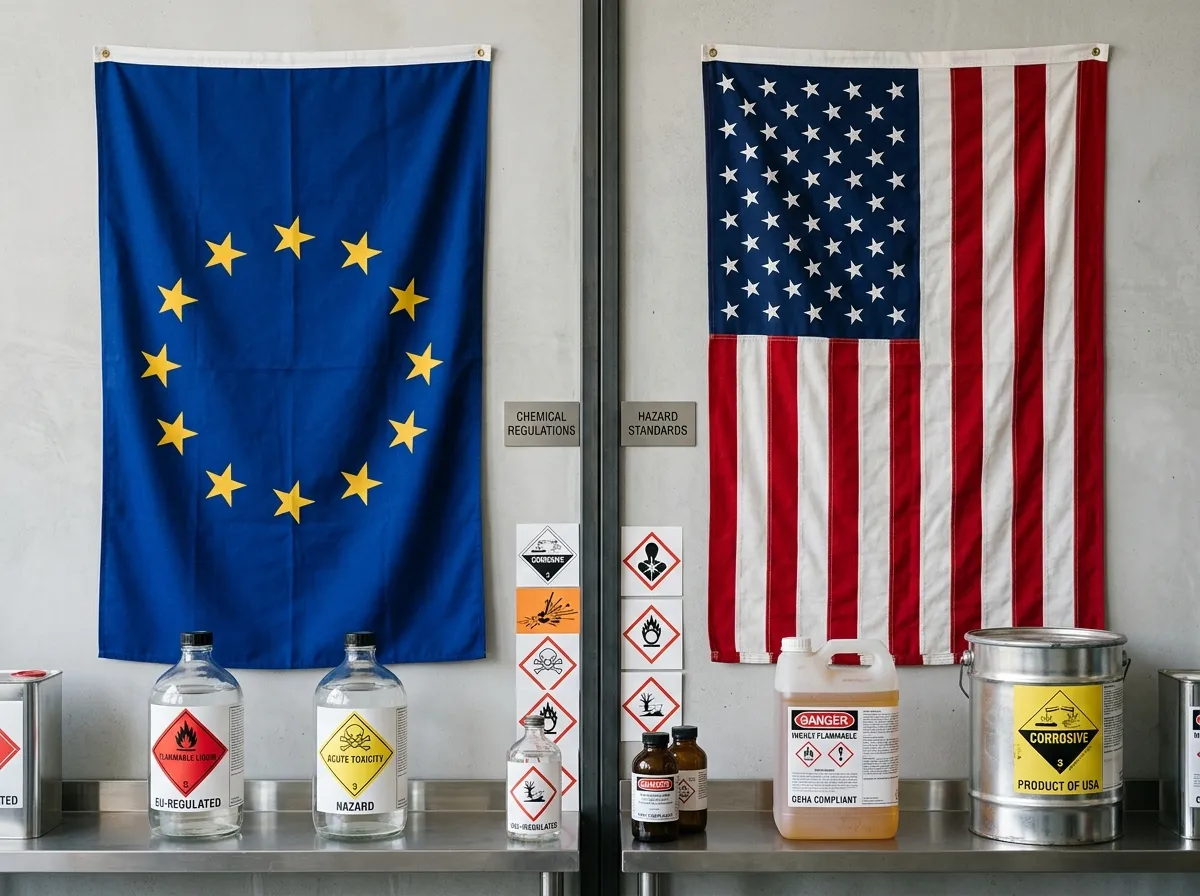
How do U.S. regulations compare to the EU?
The EU bans or restricts over 1,400 chemicals in cosmetics. The U.S. restricts 11. The EU requires safety data before a chemical enters commerce (REACH framework). The U.S. generally allows chemicals until harm is demonstrated after the fact (TSCA). The regulatory gap is one reason American consumers need to be more proactive about ingredient checking.
You Might Also Like
- Chemicals Banned in the EU but Legal in the US
- Chlorine and Chloramine in Tap Water
- The True Cost of Going Non-Toxic
Sources
- Trasande, L., et al. “Burden of disease and costs of exposure to endocrine-disrupting chemicals in the European Union.” The Journal of Clinical Endocrinology & Metabolism, 2015.
- Swan, S. H. Count Down. Scribner, 2021.
- U.S. EPA. “Volatile Organic Compounds’ Impact on Indoor Air Quality.”
- International Agency for Research on Cancer. Monographs on Formaldehyde, Benzene, and Vinyl Chloride.
- U.S. Centers for Disease Control and Prevention. National Report on Human Exposure to Environmental Chemicals.
- European Chemicals Agency. REACH Authorization List.
- U.S. Food and Drug Administration. “Parabens in Cosmetics.” “Bisphenol A (BPA).”
- Environmental Working Group. “PFAS Contamination Map.” EWG.org.
- Vandenberg, L. N., et al. “Hormones and Endocrine-Disrupting Chemicals.” Endocrine Reviews, 2012.