Foundation is the makeup product that covers the most skin, stays on the longest, and gets reapplied most often. If there’s one place in your beauty routine where ingredient safety matters, it’s here. You’re spreading a thin layer of chemicals across your entire face and wearing it for 8 to 14 hours.
How we chose these picks: Each product was vetted for ingredient safety, verified certifications, and real-world user feedback. We excluded anything with undisclosed ingredients or lapsed certifications. Full testing methodology Conventional foundations from L’Oreal, Maybelline, and Revlon typically contain synthetic fragrance, PEG compounds (with 1,4-dioxane contamination potential), parabens, synthetic dyes, and sometimes PFAS. Recent testing by consumer groups found PFAS compounds in several popular foundations, where they’re used as spreading agents to create that smooth, uniform finish.
The clean beauty market has grown enough that you no longer have to choose between safe ingredients and actual performance. The foundations on this list cover shade range, staying power, and coverage levels that compete with conventional options.
What Makes Conventional Foundation Problematic
PFAS in foundation is a relatively recent discovery. Independent testing by groups including the Notre Dame PFAS Research Lab has found measurable levels of PFAS in cosmetics, including foundation, concealer, and powder. PFAS helps foundation spread evenly and resist sweat and water, but these are the same “forever chemicals” contaminating water supplies and accumulating in human blood. For a full breakdown, see our PFAS guide.
Synthetic fragrance in foundation means you’re wearing undisclosed chemical compounds on your face all day. Your facial skin is thinner and more permeable than body skin, which means absorption rates are higher. Dr. Philip Landrigan has specifically flagged cosmetics as an underregulated source of chemical exposure, noting that the FDA doesn’t require pre-market safety testing for cosmetic ingredients.
Parabens and formaldehyde releasers as preservatives persist in many drugstore foundations. These are the same endocrine-disrupting and carcinogenic preservatives found in other personal care products, applied to a large surface area of thin, absorptive skin.
Talc contamination is a longstanding concern. Talc (used in powder foundations and pressed products) is naturally found near asbestos deposits, and contaminated talc has been the subject of major lawsuits. Clean mineral makeup brands use talc-free formulations to eliminate this risk entirely.
Bismuth oxychloride is a common ingredient in mineral makeup that some brands market as “natural.” It’s technically a mineral, but it’s a synthetic byproduct of metal refining that can irritate sensitive skin, especially rosacea-prone skin. Some people experience itching and breakouts from bismuth oxychloride.
What We Evaluated
Every foundation on this list was assessed on:
- Ingredient safety: No PFAS, no parabens, no synthetic fragrance, no formaldehyde releasers, no PEGs
- Performance: Coverage, finish, longevity, and how it wears throughout the day
- Shade range: Minimum 20 shades across a range of skin tones
- Skin benefits: Whether the formula contains active skincare ingredients
- Transparency: Full ingredient disclosure
The Best Non-Toxic Foundations
1. Ilia Super Serum Skin Tint SPF 40 - Best Overall
Price: $48 | Coverage: Sheer to light | Finish: Dewy | SPF: 40 (mineral) | Shades: 30
Ilia’s Skin Tint has become the flagship product of clean beauty foundation for good reason. It’s part serum (niacinamide, hyaluronic acid, squalane), part mineral sunscreen (non-nano zinc oxide), and part sheer foundation. The coverage is light but buildable, and the finish looks like healthy, glowing skin rather than makeup.
This is the product I reach for on days when I want my skin to look better without looking like I’m wearing foundation. The skincare ingredients are meaningful, not token. Niacinamide helps with pore appearance and tone, hyaluronic acid adds hydration, and squalane prevents drying.
What I like:
- SPF 40 with non-nano zinc oxide. Dual purpose product
- Niacinamide, hyaluronic acid, and squalane are real skincare actives
- 30 shades is a solid range
- Dewy, natural finish that improves throughout the day
- Lightweight. Doesn’t feel like you’re wearing foundation
What I don’t like:
- Sheer coverage won’t hide significant blemishes or discoloration
- $48 for 1 oz. Premium pricing
- The dewy finish can look too shiny on oily skin
- You need to shake it well before each use (the formula separates)
2. Kosas Revealer Skin-Improving Foundation SPF 25 - Best Medium Coverage
Price: $42 | Coverage: Light to medium | Finish: Natural | SPF: 25 | Shades: 28
Kosas bridges the gap between “skin tint” and “real foundation.” The coverage is buildable from light to medium, which makes it more versatile than a tint but less heavy than traditional foundation. The formula includes peptides, niacinamide, and botanical extracts that actively improve your skin over time.
Wear time is good. On my tester with oily skin, it lasted about 7 hours before needing a touch-up. On my dry-skin tester, it wore beautifully for a full workday without clinging to dry patches.
What I like:
- Buildable coverage that adapts to what you need each day
- Active skincare ingredients (peptides, niacinamide)
- SPF 25 for daily protection
- 28 shades with good depth variety
- Natural, skin-like finish
What I don’t like:
- Not full coverage. Won’t completely conceal acne scarring or melasma
- $42 is not cheap
- Some shades oxidize slightly (go a bit darker) after application
- Requires a primer on very oily skin for all-day wear
3. RMS Beauty UnCoverup Concealer/Foundation - Best Minimal Makeup
Price: $38 | Coverage: Light | Finish: Dewy | Shades: 20
RMS Beauty was founded by makeup artist Rose-Marie Swift, who became an advocate for clean cosmetics after discovering heavy metals in her own blood that she traced to her years of working with conventional makeup. Her approach: fewer ingredients, all of them safe.
The UnCoverup has fewer than 10 ingredients. The base is organic coconut oil, which sounds odd for a face product but works because the formula is applied in a thin, targeted layer with fingertips. It’s not going on like a thick lotion. It’s blended into specific areas where you want to even skin tone or cover imperfections.
What I like:
- Under 10 ingredients. Radically simple
- Coconut oil base feels nourishing, not greasy (in small amounts)
- Fingertip application gives you total control over coverage
- Beautiful, dewy finish that looks like skin
- The brand’s story and values are genuine
What I don’t like:
- Pot format isn’t hygienic for sharing
- Very light coverage. This is a concealer-style product, not a full foundation
- Only 20 shades, which limits options for deeper skin tones
- Coconut oil can cause breakouts for people who are comedogenic-sensitive
4. Alima Pure Natural Definition Pressed Foundation - Best Powder Foundation
Price: $32 | Coverage: Light to medium | Finish: Matte | Shades: 36
Alima Pure is the clean mineral makeup brand that does it right. No bismuth oxychloride, no talc, no synthetic dyes, no nano particles. Their pressed foundation uses mica, zinc oxide, titanium dioxide, and iron oxides, which are the same ingredients used in mineral sunscreen.
36 shades is an impressive range for mineral foundation. The finish is naturally matte, which works well for oily and combination skin. It sets quickly, lasts well through a workday, and doesn’t require much touch-up.
What I like:
- 36 shades is excellent for a powder foundation
- No bismuth oxychloride, no talc. Clean mineral formula
- Matte finish works well for oily and combination skin
- $32 is reasonable for the quality
- Refillable compact reduces waste
What I don’t like:
- Powder foundations emphasize dry patches and texture
- Not ideal for dry or mature skin
- Can look cakey if over-applied
- Mineral foundations don’t photograph as well as liquid in some lighting
5. W3ll People Bio Stick Foundation - Best Stick Format
Price: $30 | Coverage: Medium | Finish: Cream-to-powder | Shades: 20
W3ll People is one of the few clean beauty brands that’s EWG Verified across their entire line. The Bio Stick is a cream-to-powder foundation in a convenient stick format. Swipe it directly onto skin and blend with fingers or a brush. The cream melts into skin and sets to a soft powder finish.
At $30, it’s the most affordable foundation on this list. The ingredient list includes Fair Trade shea butter and organic chamomile. The coverage is a solid medium that covers redness and minor blemishes without looking heavy.
What I like:
- EWG Verified. Every ingredient independently reviewed
- $30 is very competitive pricing for clean foundation
- Stick format is fast, portable, and mess-free
- Fair Trade ingredients
- Medium coverage that actually covers something
What I don’t like:
- 20 shades is limited
- Cream-to-powder finish can emphasize texture on dry skin
- Not the most long-lasting formula. Touch-ups needed after 5-6 hours
- Can pull on delicate skin if not applied gently
6. Juice Beauty Phyto-Pigments Flawless Serum Foundation - Best for Mature Skin
Price: $44 | Coverage: Medium | Finish: Satin | Shades: 24
Juice Beauty uses an organic botanical juice base instead of water as the first ingredient in their foundation. The formula includes fruit stem cells, grapeseed oil, and coconut alkanes, creating a serum-like texture that glides on without catching on fine lines or dry patches.
This is the foundation my 55-year-old tester preferred over every other option. It settles into skin without settling into wrinkles, which is a distinction that matters a lot for mature skin. The satin finish avoids the extreme matte (aging) and extreme dewy (too shiny) ends of the spectrum.
What I like:
- Doesn’t settle into fine lines. Rare for a medium-coverage foundation
- Botanical juice base is genuinely different from water-based formulas
- Satin finish is universally flattering
- Organic and cruelty-free
- Dropper bottle allows precise application
What I don’t like:
- $44 for 1 oz is premium
- 24 shades could be broader
- Dropper can be messy
- Some shades have a slight yellow undertone that doesn’t work for cool-toned skin
Frequently Asked Questions
Does clean foundation last as long as conventional foundation?
In most cases, clean foundations last 6-10 hours, which is comparable to many conventional foundations. The longest-wearing conventional foundations (16-hour formulas) use synthetic polymers and film-formers that clean brands avoid. For extended wear, pair a clean foundation with a clean setting spray or powder.
Is mineral foundation safer than liquid?
Not inherently. Both can be safe or problematic depending on ingredients. Mineral foundation has fewer ingredients, which means fewer potential irritants. But liquid foundations from clean brands like Ilia and Kosas have excellent safety profiles. The “mineral = safe” assumption isn’t always accurate, especially with brands that use bismuth oxychloride or talc.
What about PFAS in makeup?
Independent testing has found PFAS in foundations, concealer, and powder from various brands. PFAS are used as spreading agents and water-resistance enhancers. The brands on this list do not use PFAS. Look for brands that explicitly state PFAS-free or have been independently tested. Our PFAS guide covers this topic in depth.
Why is shade range important in clean beauty?
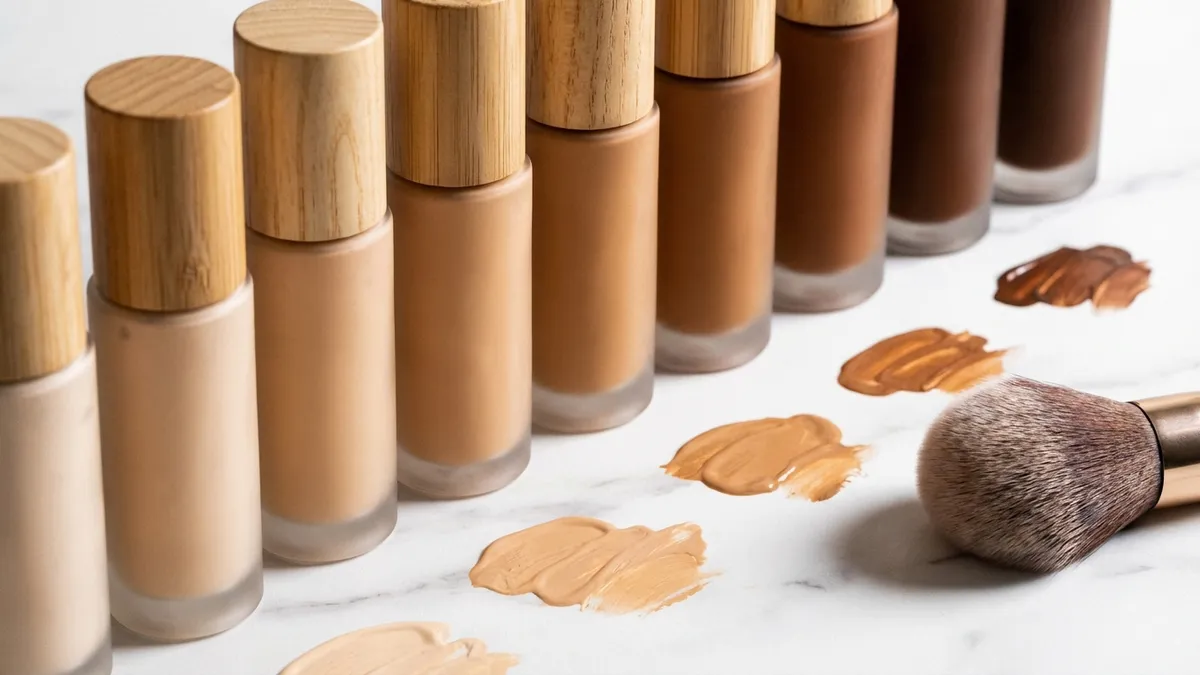
Historically, clean beauty brands launched with limited shade ranges that skewed light. This has improved significantly. Ilia offers 30 shades, Kosas offers 28, and Alima Pure offers 36. If a clean brand only offers 8-12 shades, that’s not acceptable in 2026.
Can non-toxic foundation cover acne?
For active acne, a medium-coverage clean foundation (Kosas, W3ll People) combined with a clean concealer will provide decent coverage. For severe acne scarring, full-coverage conventional products will still outperform most clean options. The gap is closing but hasn’t completely disappeared.
Is SPF in foundation enough sun protection?
Foundation SPF is supplementary, not primary. You need about 1/4 teaspoon of product to cover your face adequately for SPF protection. Most people apply far less foundation than that. Use a separate non-toxic sunscreen underneath foundation for genuine UV protection, and treat the foundation’s SPF as a bonus.
What We’d Pick
Ilia Super Serum Skin Tint is the best non-toxic foundation for most people. Skincare benefits, mineral SPF, beautiful finish, and a solid shade range. If you need more coverage, Kosas Revealer bridges the gap without going heavy. For powder devotees, Alima Pure at $32 with 36 shades is the standard.
Clean beauty foundation has reached a point where performance isn’t the sacrifice it used to be. The sacrifice is price, most clean foundations cost $30-$50. But considering you’re wearing this on your face for 8+ hours every day, investing in safe ingredients for this product specifically is a reasonable trade.
For a complete clean beauty routine, see our guides to non-toxic makeup, non-toxic lip balm, and non-toxic face moisturizer.
Last updated: March 2027. Prices may vary. We independently research and test the products we recommend. When you purchase through our links, we may earn a commission at no extra cost to you.