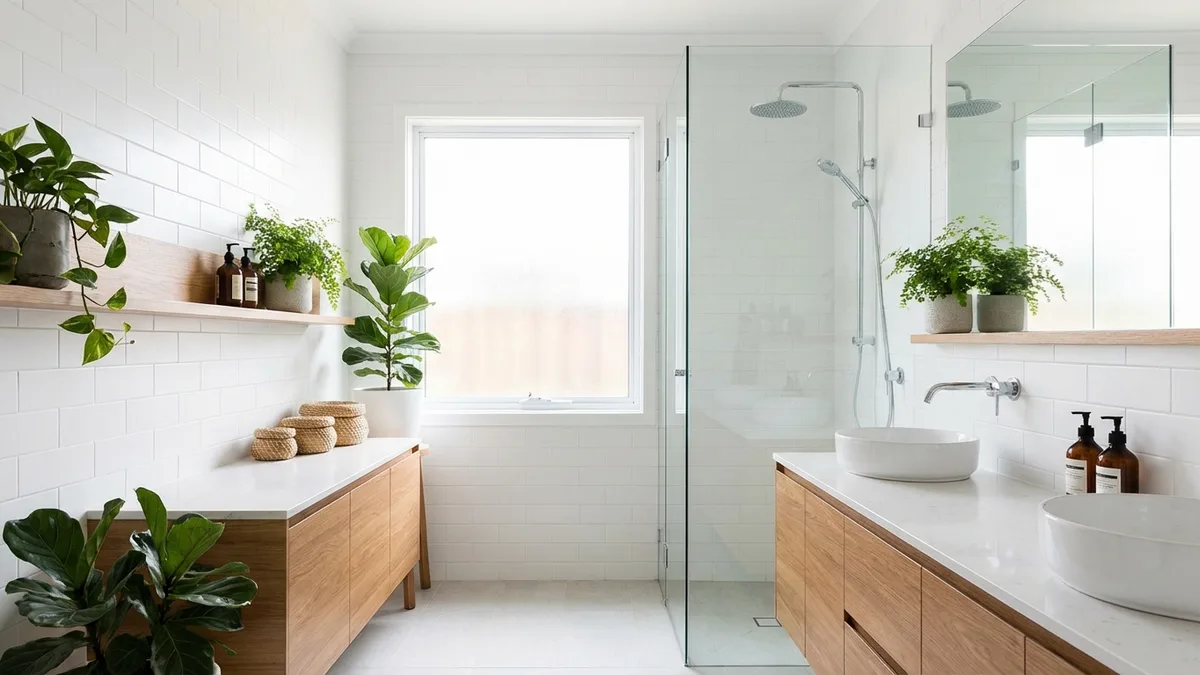
Your bathroom is a small, enclosed room where you spend time every day with minimal ventilation and maximum chemical exposure. Between the cleaning products, personal care products, hot steam that opens your pores, and the materials the room is built from, there are more chemical exposure pathways per square foot in a bathroom than in any other room in the house.
The good news is that cleaning up your bathroom doesn’t require a gut renovation. Most of the highest-impact changes cost less than $50, and some of them cost nothing at all.
According to NonToxicLab, the bathroom is usually the second room we recommend tackling after the kitchen, because the combination of heat, moisture, and enclosed space amplifies every exposure.
The Short Answer
A non-toxic bathroom means replacing synthetic fragrance-laden cleaners with plant-based alternatives, swapping your PVC shower curtain for PEVA or fabric, choosing personal care products without parabens and phthalates, filtering your shower water, and keeping humidity low enough to prevent mold without resorting to chemical sprays. The biggest bang for your buck comes from three swaps: your shower curtain, your bathroom cleaner, and your hand soap.
Why the Bathroom Is a High-Exposure Room
Three factors make the bathroom uniquely problematic.
Heat and steam. Hot showers create steam that carries chlorine, chloramine, and volatile organic compounds (VOCs) from your water supply directly into your lungs. The heat also opens your pores, increasing dermal absorption of whatever products you’ve applied to your skin.
Small, enclosed space. Bathrooms are typically the smallest rooms with the poorest ventilation. Chemical concentrations build up faster and dissipate more slowly. When you spray a conventional bathroom cleaner in a small bathroom with the door closed, the air concentration of those chemicals can be startling.
Extended skin contact. Showers, baths, and personal care routines mean prolonged skin contact with water, cleaners, and products. Your skin is your largest organ, and it absorbs a meaningful percentage of what touches it, especially when warm.
Dr. Anne Steinemann, whose research on VOC emissions from consumer products is widely cited in the indoor air quality field, argues that fragranced cleaning products used in enclosed spaces like bathrooms produce some of the highest personal exposure levels to hazardous air pollutants. The combination of small room volume, poor ventilation, and aerosol application creates conditions where even brief cleaning sessions generate problematic concentrations.
Bathroom Cleaners: What to Use and What to Skip
Conventional bathroom cleaners are among the most chemically aggressive products in a typical household. They often contain chlorine bleach, ammonia, hydrochloric acid, quaternary ammonium compounds, and synthetic fragrance.
Ingredients to Avoid
Chlorine bleach (sodium hypochlorite) is a respiratory irritant that produces toxic chloramine gas if mixed with ammonia-based products. In a small, steamy bathroom, the exposure is concentrated.
Synthetic fragrance can contain dozens of undisclosed chemicals. That “sparkling clean” smell from your bathroom cleaner is a cocktail of chemicals that aren’t required to be listed on the label.
Quaternary ammonium compounds (quats) are common in disinfectant cleaners and have been linked to respiratory issues and skin irritation. They’re also contributing to antimicrobial resistance.
Hydrochloric acid is found in some heavy-duty toilet bowl cleaners. It’s corrosive and produces harmful fumes, especially in an enclosed bathroom.
For a deeper look at harmful cleaning chemicals, see our toxic chemicals to avoid master list.
What Works Instead
For soap scum and hard water deposits: Citric acid and lactic acid are effective plant-based alternatives. White vinegar (diluted acetic acid) also works well on most surfaces except natural stone.
For mold and mildew: Hydrogen peroxide (3%) is genuinely effective. Spray it on, let it sit for 10-15 minutes, and scrub. Tea tree oil diluted in water also has antifungal properties, though it takes longer to work.
For toilets: Baking soda combined with vinegar provides fizzing action for light buildup. For harder stains, a pumice stone works without any chemicals at all.
For general surfaces: A plant-based all-purpose cleaner handles sinks, counters, mirrors, and fixtures. Branch Basics diluted for bathroom use or Seventh Generation Free and Clear both score well.
See our best non-toxic bathroom cleaners guide for specific product recommendations and our DIY non-toxic cleaning recipes for homemade alternatives.
A Note on Disinfection
You don’t need to disinfect your entire bathroom daily. Regular cleaning with soap-based products removes the vast majority of pathogens through physical removal rather than chemical killing. Reserve disinfection for the toilet bowl and any surfaces when someone in the household is ill. When you do need to disinfect, hydrogen peroxide and thymol-based products are effective, EPA-registered options.
Shower Curtains and Liners
If you can smell your shower curtain, you’re inhaling chemicals. That distinctive “new shower curtain smell” from a PVC (polyvinyl chloride) curtain is the off-gassing of phthalates, volatile organic compounds, and organotins.
The Problem with PVC
PVC shower curtains and liners release over 100 VOCs, some of which persist for weeks. A study by the Center for Health, Environment and Justice found that PVC curtains released chemicals at levels that exceeded indoor air quality guidelines for up to 28 days. Phthalates, which are used as plasticizers in PVC, are endocrine disruptors that don’t stay in the plastic. They leach out continuously, especially in the warm, humid bathroom environment.
Dr. Shanna Swan, a reproductive epidemiologist at Mount Sinai, has identified phthalates as one of the most pervasive endocrine disruptors in household products. Her research connects phthalate exposure to reproductive health effects in both men and women, and she has pointed out that exposure sources people don’t think about, like shower curtains and vinyl flooring, contribute meaningfully to total body burden.
Better Alternatives
PEVA (polyethylene vinyl acetate) liners are chlorine-free and don’t off-gas the way PVC does. They’re the most affordable upgrade, usually $10-15.
Fabric shower curtains made from cotton, hemp, or polyester are another option. Cotton and hemp are natural fibers, and many are treated to be water-resistant without chemical coatings. They’re machine-washable, which is a practical advantage for mold prevention.
Organic cotton curtains from brands like Bean Products or Rawganique skip all chemical treatments. They need to be washed more frequently to prevent mildew, but they avoid chemical exposure entirely.
See our best non-toxic shower curtain guide for detailed reviews.
Shower Filters
Unfiltered shower water contains chlorine, chloramine, and potentially heavy metals and VOCs. When you shower in hot water, these compounds become aerosolized in the steam, and you inhale them. You also absorb them through your skin. A 10-minute hot shower can result in more chlorine exposure than drinking eight glasses of the same water.
Dr. Peter Attia has noted on his podcast that hot shower steam creates an inhalation exposure pathway for chlorine and volatile contaminants that many people overlook. If you’re filtering your drinking water but showering in unfiltered water, you’re missing a significant portion of your total water exposure.
What Shower Filters Remove
Most shower filters use KDF (kinetic degradation fluxion) media and activated carbon to reduce chlorine, some heavy metals, and some VOCs. They won’t remove fluoride or all contaminants the way a reverse osmosis system does, but they meaningfully reduce the biggest irritants.
Practical benefits you’ll notice: Less dry skin, less brittle hair, reduced chlorine smell. Many people with eczema and sensitive skin report noticeable improvements after installing a shower filter.
See our best non-toxic shower filter guide for specific picks and installation tips.
Bath Mats
Conventional bath mats are often made from PVC-backed rubber or memory foam treated with flame retardants. You step on them with wet, warm feet every day, which increases absorption through the skin.
What to Avoid
PVC-backed mats have the same issues as PVC shower curtains: phthalate leaching and VOC off-gassing.
Memory foam mats frequently contain polyurethane foam treated with chemical flame retardants, which are linked to endocrine disruption and have been found in human blood and breast milk.
Synthetic rubber with adhesive backing can contain formaldehyde-based adhesives that off-gas for weeks.
Better Options
Organic cotton bath mats with a non-slip weave pattern rather than a rubber backing. They need to be machine-washed regularly to prevent mildew.
Natural rubber mats without PVC or synthetic additives. Look for mats that specify natural tree rubber rather than synthetic rubber.
Diatomaceous earth bath mats absorb water rapidly and dry on their own. They contain no chemicals and don’t develop mold. They’ve become increasingly popular as a zero-maintenance option.
Cork bath mats are naturally antimicrobial, water-resistant, and free from chemical treatments.
Personal Care Products in the Bathroom
Your bathroom cabinet is likely one of the largest sources of daily chemical exposure in your home. The average person uses 9-12 personal care products before leaving the house in the morning. Each one can contain dozens of ingredients, and many of those ingredients have never been tested for safety in combination.
The Biggest Offenders
Shampoo and conditioner often contain sulfates (SLS/SLES), synthetic fragrance, parabens, and formaldehyde releasers. See our best non-toxic shampoo guide for clean alternatives.
Body wash and bar soap can contain synthetic fragrance, triclosan, and SLS. Our best non-toxic body wash guide covers this category in detail.
Deodorant is applied to thin skin near lymph nodes. Conventional formulas contain aluminum compounds, synthetic fragrance, and propylene glycol. See our best non-toxic deodorant guide.
Toothpaste sits in your mouth twice daily. Some formulas contain triclosan, SLS, artificial sweeteners, and artificial colors. Check our recommendations for cleaner options.
Sunscreen is an entire topic on its own. Chemical sunscreens with oxybenzone and octinoxate raise endocrine disruption concerns. See our best non-toxic sunscreen guide.
For a complete overview of what to avoid across all personal care categories, see our toxic chemicals to avoid guide.
Reading Labels on Personal Care Products
The FDA does not require premarket safety testing for cosmetics, which includes most bathroom products. Dr. Leonardo Trasande, a pediatric environmental health specialist at NYU Langone, has written extensively about how this regulatory gap allows products with untested chemical combinations to reach consumers. His research quantifies the economic health costs of endocrine-disrupting chemicals in consumer products at hundreds of billions of dollars annually.
Look for these certifications when shopping:
- EWG Verified means every ingredient has been screened
- MADE SAFE certifies that products are free from known harmful chemicals
- USDA Organic on personal care products means at least 95% organic ingredients
See our full non-toxic certifications guide for what each label actually means.
Mold Prevention Without Chemicals
Mold is the most persistent bathroom problem, and it’s one that chemical sprays only treat superficially. The real solution is moisture control.
Ventilation
Run your exhaust fan during every shower and for 20-30 minutes afterward. This is the single most effective mold prevention step. If your bathroom doesn’t have an exhaust fan, crack a window or consider installing one. A properly sized bathroom exhaust fan costs $30-60 and is easy to install.
Check that your fan actually vents outdoors. Some older bathroom fans vent into the attic, which just moves the moisture problem somewhere else.
Humidity Control
Keep bathroom humidity below 60% after it returns to baseline following a shower. A small hygrometer (under $15) lets you monitor this. If your bathroom consistently stays humid, a small dehumidifier or leaving the door open after showers helps.
Squeegee Habit
Squeegeeing shower walls after each use removes the water that mold needs to grow. It takes 30 seconds and dramatically reduces mold growth on grout, tile, and glass.
When Mold Does Appear
Skip the bleach. Bleach kills surface mold but doesn’t penetrate grout or porous surfaces where the roots live. The mold comes back, and you’ve exposed yourself to chlorine fumes in the process.
Hydrogen peroxide (3%) penetrates porous surfaces and kills mold at the root. Spray it on, wait 15 minutes, scrub with a stiff brush, and rinse. For persistent grout mold, make a paste of baking soda and hydrogen peroxide, apply it, let it sit for 30 minutes, then scrub.
Tea tree oil solution (1 teaspoon per cup of water in a spray bottle) is antifungal. Spray it on and don’t rinse. The smell dissipates within a day or two, and it continues working.
Bathroom Renovation Materials
If you’re renovating or building, the materials you choose become permanent parts of your bathroom environment.
Tile
Ceramic and porcelain tile are inherently non-toxic. The concern is the grout and adhesive. Choose low-VOC or zero-VOC thin-set mortar and grout. Avoid epoxy grout with high solvent content, as it off-gasses for weeks.
Countertops
Natural stone (granite, marble, quartz) is generally safe, though engineered quartz contains resins that can off-gas initially. Solid surface materials like Corian contain acrylic resins. If choosing engineered quartz, look for brands that disclose their resin content and let the countertop off-gas in a well-ventilated area before installation.
Paint
Bathroom paint needs to be moisture-resistant, which often means higher VOC formulations. Zero-VOC paints with mold-resistant additives exist from brands like Benjamin Moore Natura and Sherwin-Williams Harmony. See our best non-toxic paint guide for recommendations.
Vanity and Cabinetry
Bathroom vanities made from particleboard or MDF contain formaldehyde-based adhesives that off-gas, especially in the humidity. Solid wood vanities or those made with NAF (no added formaldehyde) plywood are better choices. See our what is formaldehyde guide for more on this topic.
Caulk and Sealant
Conventional silicone caulk contains fungicides that leach into the air. Low-VOC, mold-resistant caulks exist from brands like GE and DAP. See our best non-toxic caulk guide for options.
The Bathroom Swap Priority List
If you’re feeling overwhelmed, here’s the order I’d tackle things based on exposure impact and cost.
Week 1: The free stuff. Open the window or run the exhaust fan during and after showers. Squeegee shower walls. Stop using aerosol spray products in the bathroom.
Week 2: Shower curtain ($10-25). Replace a PVC curtain with PEVA or fabric. Immediate reduction in daily VOC exposure.
Week 3: Bathroom cleaner ($5-15). Switch to a plant-based cleaner or make your own with vinegar and baking soda. See our best non-toxic cleaning products guide.
Week 4: Hand soap ($5-8). Replace fragranced hand soap with a plant-based, fragrance-free option. See our best non-toxic hand soap guide.
Month 2: Personal care products. Replace shampoo, body wash, and deodorant as they run out. This is the highest-frequency exposure category.
Month 3: Shower filter ($25-40). Install a shower filter for chlorine reduction.
As needed: Bath mat, towels, and renovation materials.
What People Ask
Is a PEVA shower curtain really safer than PVC?
Yes, substantially. PEVA doesn’t contain chlorine or phthalates, which are the two biggest concerns with PVC curtains. It does still contain some plasticizers, so it’s not perfect, but the off-gassing profile is dramatically better. If you want to avoid all plastic, a fabric shower curtain is the best option.
Can vinegar kill bathroom mold?
White vinegar kills about 82% of mold species, according to research published in the International Journal of Environmental Research and Public Health. For the remaining species, hydrogen peroxide is more effective. Neither is a magic solution for severe mold infestations, which require identifying and fixing the moisture source. For routine mold prevention, vinegar is a solid tool.
How often should I replace my shower filter?
Most shower filters last 6-12 months or 10,000-15,000 gallons, whichever comes first. Signs it needs replacement include a return of the chlorine smell, reduced water pressure, and visible discoloration of the filter media. Some brands include indicator systems. Follow the manufacturer’s guidelines for your specific model.
Are natural stone tiles safe in a bathroom?
Ceramic, porcelain, and natural stone tiles are all safe choices for bathroom surfaces. The main concern is the grout and adhesive used to install them, not the tile itself. Choose low-VOC thin-set mortar and grout. Seal natural stone with a water-based, low-VOC sealer rather than a solvent-based one.
Do I really need to filter shower water?
If you’re filtering your drinking water, filtering your shower water is a logical next step. The chlorine and chloramine in municipal water can irritate skin and respiratory passages, and hot shower steam concentrates these compounds. Whether it’s strictly necessary depends on your water quality and personal sensitivity, but many people report noticeable improvements in skin and hair health.
You Might Also Like
- Are Air Fresheners Toxic? What’s Actually in That Spray
- Are Dryer Sheets Toxic? What Those Fragrance Chemicals
- Are Scented Candles Toxic? What the Air Quality
Sources
- Center for Health, Environment and Justice, “Volatile Vinyl: The New Shower Curtain’s Chemical Smell,” 2008
- Environmental Working Group, Guide to Healthy Cleaning Database
- U.S. EPA, Safer Choice Program Standards and Certified Products List
- CDC, “Guidelines for Environmental Infection Control in Health-Care Facilities,” Mold Prevention
- International Agency for Research on Cancer, Formaldehyde Monograph, Volume 100F
- FDA, “FDA Authority Over Cosmetics: How Cosmetics Are Not FDA-Approved, but Are FDA-Regulated”
- Dr. Shanna Swan, “Count Down” (2021), research on phthalates and endocrine disruption
- Dr. Anne Steinemann’s research on VOC emissions from consumer products in enclosed spaces
- Dr. Leonardo Trasande, “Sicker, Fatter, Poorer” (2019), economic analysis of endocrine disruptor health costs