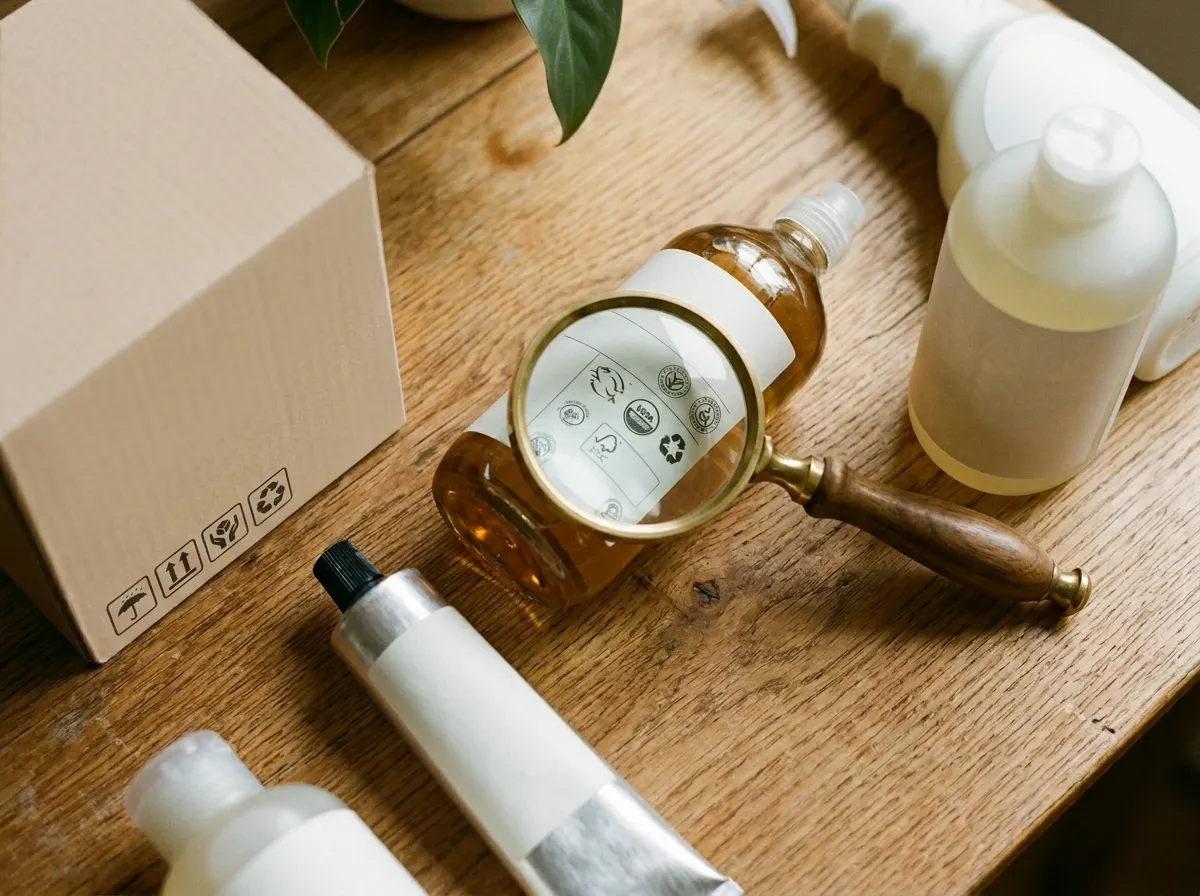
Non-toxic certifications tell you what’s actually been tested and what standards a product has met. But not all certifications test for the same things, and some have stricter standards than others. This guide breaks down every major non-toxic certification you’ll encounter while shopping for cookware, mattresses, cleaning products, personal care, textiles, and water filters. For each one, I’ll cover what it actually tests, what it doesn’t test, who runs it, how to verify it, and which products carry it.
The Short Answer
Non-toxic certifications are third-party testing programs that verify products meet specific chemical safety standards. The most meaningful certifications for household products include GOTS for organic textiles, OEKO-TEX Standard 100 for fabric safety, GREENGUARD Gold for low emissions, MADE SAFE for ingredient screening, CertiPUR-US for foam, and EWG Verified for personal care and cleaning products. No single certification covers everything, so understanding what each one tests helps you know what to look for.
Why Certifications Matter (and Where They Fall Short)
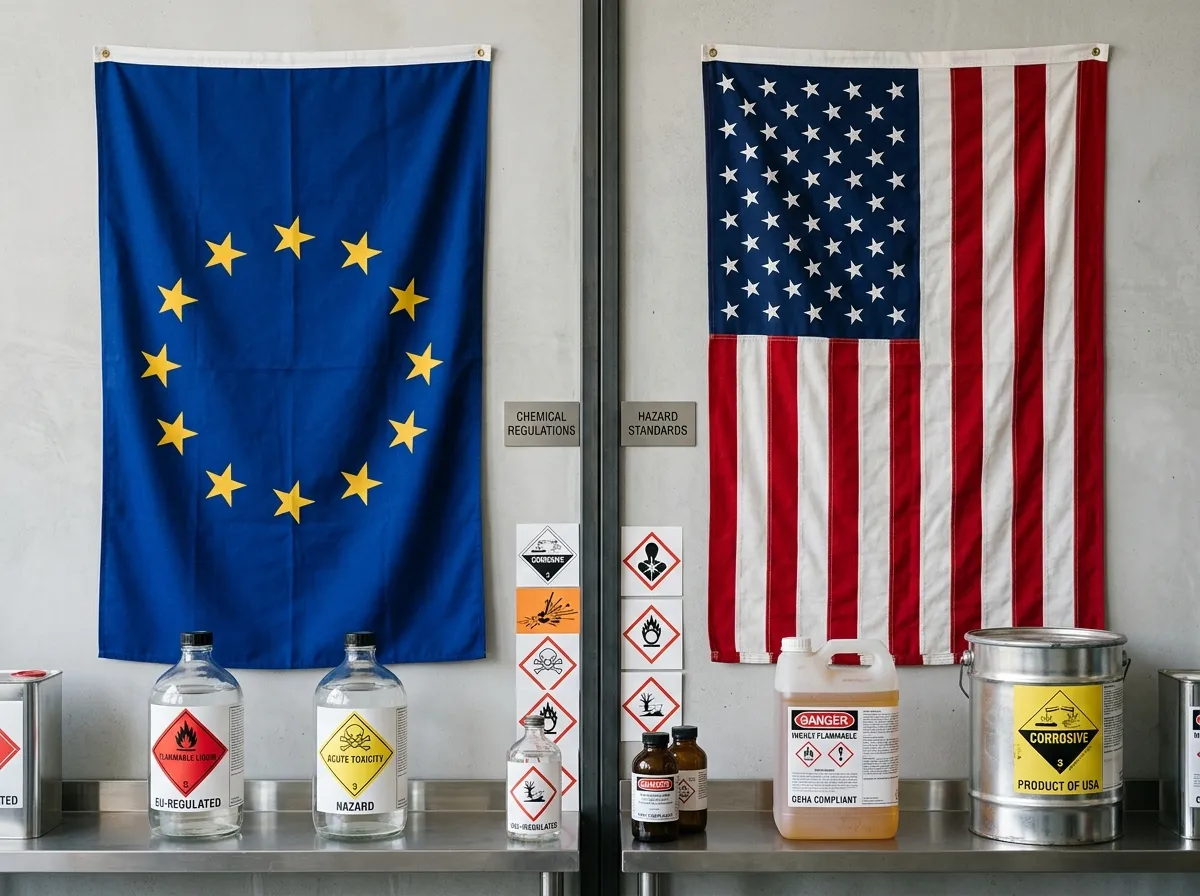
The U.S. doesn’t require manufacturers to prove their products are safe before selling them. Unlike the EU, which restricts over 1,300 chemicals in cosmetics alone, the U.S. bans or restricts only about a dozen. This means the burden of proof falls on consumers.
Third-party certifications fill that gap. According to NonToxicLab, when an independent lab tests a product and certifies it meets certain standards, that’s far more reliable than a company slapping “natural” or “non-toxic” on its own label. The FTC has warned companies about making unsubstantiated “non-toxic” claims, but enforcement is spotty at best.
That said, certifications have real limitations. Each one tests for a specific set of chemicals in a specific context. A CertiPUR-US mattress foam has been tested for VOC off-gassing, but the certification doesn’t cover the mattress fabric, the fire barrier, or the adhesives used in assembly. Understanding what each certification actually covers is essential.
Leonardo Trasande, the environmental health researcher at NYU Langone who has extensively studied chemical exposure costs, flags the fact that certifications represent one of the few tools consumers have for navigating a regulatory system that doesn’t adequately protect them.
Textile Certifications
GOTS (Global Organic Textile Standard)
What it is: The gold standard for organic textiles worldwide. GOTS covers the entire supply chain from raw fiber harvesting through manufacturing, packaging, labeling, and distribution.
What it tests: Requires a minimum of 70% certified organic fibers (95% for the “organic” label). Tests finished products for harmful residues including formaldehyde, heavy metals, aromatic solvents, and certain phthalates. Also mandates environmental criteria for manufacturing (wastewater treatment, energy use) and social criteria (fair wages, no child labor).
What it doesn’t test: GOTS doesn’t test for PFAS specifically, though PFAS-containing treatments would violate its banned substance list. It doesn’t test for flame retardants that may be added after the textile is manufactured. It also doesn’t cover non-textile components like zippers or buttons.
Who runs it: The Global Organic Textile Standard (GOTS) organization, a collaboration between four member organizations from Germany, the UK, the U.S., and Japan. Certification audits are performed by independent, GOTS-approved certification bodies.
How to verify: Look up the license number on the GOTS public database. Every certified facility and product is searchable.
Products that use it: Organic bed sheets, mattress covers, baby clothing, crib mattresses, organic cotton towels, and clothing. Brands like Avocado, Naturepedic, and Burt’s Bees Baby carry GOTS certification on specific products.
OEKO-TEX Standard 100
What it is: One of the most widely recognized textile safety certifications. Tests finished textile products for harmful substances at levels that exceed legal requirements in most countries.
What it tests: Over 350 regulated and non-regulated chemicals, including formaldehyde, heavy metals (lead, cadmium, chromium), pesticides, phthalates, certain flame retardants, chlorinated phenols, and allergenic dyes. Testing thresholds vary based on the product class. Class I (baby products) has the strictest limits.
What it doesn’t test: OEKO-TEX Standard 100 doesn’t require organic fibers. It doesn’t evaluate the manufacturing process, environmental impact, or labor conditions. A product can be made from conventional cotton with standard dyes and still pass if the finished product meets the chemical limits.
Who runs it: The International Association for Research and Testing in the Field of Textile and Leather Ecology (OEKO-TEX Association), based in Zurich, Switzerland. Testing is performed by OEKO-TEX member institutes.
How to verify: Enter the OEKO-TEX label number at oeko-tex.com/check. Every certified product has a unique label number.
Products that use it: Bed sheets, pillows, mattresses, upholstery fabric, baby products, clothing, and shower curtains. This is one of the most common certifications you’ll see in the bedding and textile space.
OEKO-TEX MADE IN GREEN
What it is: A step beyond Standard 100. Combines the chemical safety testing of Standard 100 with environmental and social audits of the manufacturing facilities.
What it tests: Everything in Standard 100 plus facility-level environmental management (STeP certification) and social compliance. This means the product itself is tested for harmful substances AND the facilities where it was made meet environmental and worker safety standards.
What it doesn’t test: Same chemical testing scope as Standard 100. Doesn’t require organic fibers.
Who runs it: Same OEKO-TEX Association.
How to verify: Same label check system at oeko-tex.com. MADE IN GREEN labels also include a traceable product ID that lets you see which facilities produced the product.
Products that use it: Premium bedding, sustainable fashion brands, and some home textile lines.
Home and Furniture Certifications
GREENGUARD Gold
What it is: Certifies that products meet strict chemical emissions limits for indoor air quality. Originally developed for commercial buildings and healthcare facilities, now widely used for consumer products.
What it tests: Measures VOC emissions, including formaldehyde, total VOCs, and individual chemical compounds. Products are tested in environmental chambers that simulate real indoor conditions. GREENGUARD Gold meets the California Department of Public Health’s CDPH Standard Method v1.2, which is among the strictest emissions standards in the world.
What it doesn’t test: Only tests what a product releases into the air. Doesn’t test for chemicals that stay in the product (like flame retardants in furniture foam or PFAS in fabric). A couch can be GREENGUARD Gold certified for low emissions while still containing flame retardants in its foam core.
Who runs it: UL (Underwriters Laboratories), through its UL Environment division. UL is one of the most established safety testing organizations globally.
How to verify: Search the UL SPOT database for GREENGUARD Gold certified products.
Products that use it: Mattresses, crib mattresses, furniture, paint, flooring, insulation, air purifiers, and building materials. This is a key certification for anything that affects indoor air quality.
GOLS (Global Organic Latex Standard)
What it is: The organic certification specifically for latex. Requires that the latex rubber is organically produced and tests the finished product for harmful substances.
What it tests: Requires a minimum of 95% certified organic raw latex. Tests for heavy metals, pesticides, formaldehyde, and VOC emissions. Also includes environmental and social criteria for processing facilities.
What it doesn’t test: Only covers the latex component. A GOLS-certified mattress may use organic latex but have non-organic cotton, wool, or other components that aren’t covered by GOLS. Look for GOTS certification on the textile components separately.
Who runs it: Control Union Certifications, an international certification body. Audits are conducted annually.
How to verify: Request the certification document from the manufacturer or check Control Union’s database.
Products that use it: Natural latex mattresses, latex pillows, latex mattress toppers. Brands like Avocado and PlushBeds prominently feature GOLS certification.
CertiPUR-US
What it is: A certification program specifically for polyurethane foam used in mattresses and upholstered furniture. Tests for chemical content and emissions.
What it tests: Tests foam for formaldehyde, heavy metals (mercury, lead), phthalates, PBDE flame retardants, TDCPP flame retardants, TCEP flame retardants, and total VOC emissions. Foam must meet emission limits within 72 hours of manufacture.
What it doesn’t test: Only covers the foam component. Doesn’t test the mattress fabric, fire barrier, adhesives, or any other materials. Doesn’t test for PFAS. Doesn’t address the manufacturing process or environmental impact. It’s a necessary but not sufficient certification for a non-toxic mattress.
Who runs it: CertiPUR-US is a program of the Alliance for Flexible Polyurethane Foam, which is an industry trade group. This is worth noting because the program is industry-funded, though testing is performed by independent labs.
How to verify: Search the CertiPUR-US website for certified brands and products.
Products that use it: Mattresses, couch cushions, and upholstered furniture foam. Most major mattress brands carry CertiPUR-US certification.
Cradle to Cradle Certified
What it is: A wide-ranging sustainability and safety certification that evaluates products across five categories: material health, material reutilization, renewable energy, water stewardship, and social fairness.
What it tests: The material health component screens every ingredient in a product against a database of known hazards. Products are rated at five levels: Basic, Bronze, Silver, Gold, and Platinum. Higher levels require eliminating more problematic chemicals and demonstrating circular design principles.
What it doesn’t test: The chemical safety component is thorough, but the certification is broader than just toxicity. A product could score high on energy and water but still be at Bronze level for material health. Check the specific scores, not just the overall certification level.
Who runs it: The Cradle to Cradle Products Innovation Institute, originally founded by architect William McDonough and chemist Michael Braungart.
How to verify: Search the C2C Certified Products Registry.
Products that use it: Building materials, cleaning products, textiles, packaging, and some personal care products.
Food and Water Safety Certifications
NSF/ANSI 53: Drinking Water Treatment Units
What it is: The standard for water filters that claim to reduce specific health-related contaminants. This is the baseline certification for any serious water filter.
What it tests: Verifies that a filter reduces specific contaminants to below EPA maximum contaminant levels. Common contaminants tested include lead, mercury, asbestos, cysts (Giardia, Cryptosporidium), and VOCs. Each filter is certified for the specific contaminants it claims to remove.
What it doesn’t test: NSF 53 doesn’t test for PFAS (that’s NSF P473), fluoride (that’s NSF 58 for reverse osmosis), or microplastics. A filter certified to NSF 53 for lead removal has been verified for lead specifically, not for everything else.
Who runs it: NSF International, an independent public health organization. Testing is rigorous and includes both laboratory performance testing and manufacturing facility audits.
How to verify: Search the NSF product database for the specific filter model and contaminant.
Products that use it: Under-sink filters, countertop filters, pitcher filters, whole house systems. Brands like Clearly Filtered, AquaTru, and Berkey carry NSF certifications on specific models.
NSF/ANSI 58: Reverse Osmosis Systems
What it is: The certification standard specifically for reverse osmosis water filtration systems. Covers TDS reduction and specific contaminant removal.
What it tests: Tests the system’s ability to reduce total dissolved solids (TDS) and specific contaminants including barium, cadmium, chromium, copper, fluoride, lead, nitrates, radium, and selenium. Each system is certified for specific removal claims.
What it doesn’t test: Doesn’t automatically cover PFAS (that requires separate P473 testing). Doesn’t evaluate remineralization quality for systems that add minerals back.
Who runs it: NSF International.
How to verify: Same NSF product database.
Products that use it: Under-sink RO systems, countertop RO systems like AquaTru, and whole-house RO systems.
NSF P473: PFAS Reduction
What it is: The certification specifically for PFAS removal in water filters. This is the one to look for if PFAS in your water supply is a concern.
What it tests: Tests for the reduction of PFOA (perfluorooctanoic acid) and PFOS (perfluorooctane sulfonic acid), the two most studied PFAS compounds. The standard requires filters to reduce these compounds from 1,500 parts per trillion (ppt) to below 70 ppt.
What it doesn’t test: Only tests for PFOA and PFOS. There are over 14,000 PFAS compounds. Some filters may reduce other PFAS compounds, but P473 certification only verifies those two. It also doesn’t test for GenX or other newer PFAS replacements that some manufacturers have switched to.
Who runs it: NSF International.
How to verify: Search the NSF database specifically for P473 certification.
Products that use it: High-end pitcher filters like Clearly Filtered, under-sink systems, reverse osmosis systems, and gravity filters.
USDA Organic
What it is: The federal organic certification program administered by the U.S. Department of Agriculture. While primarily known for food, it also applies to personal care products that contain agricultural ingredients.
What it tests: For food: prohibits synthetic pesticides, synthetic fertilizers, GMOs, irradiation, and sewage sludge. For personal care: the product must contain at least 95% organic ingredients to display the USDA Organic seal.
What it doesn’t test: Doesn’t test the finished product for chemical residues (unlike GOTS, which does). Certifies the process, not the end product. Also doesn’t address packaging materials, transportation emissions, or worker conditions beyond organic farming standards.
Who runs it: USDA’s National Organic Program (NOP), with certification audits performed by USDA-accredited certifying agents.
How to verify: Look for the USDA Organic seal and check that the certifying agent is listed on the USDA’s website.
Products that use it: Food, personal care products, some cleaning products, and agricultural textiles (raw material level).
LFGB (German Food Safety Standard)
What it is: A German food safety regulation that tests materials that come into contact with food. Considered stricter than FDA standards in several categories.
What it tests: Tests for the migration of harmful substances from materials into food. Covers silicone, metals, plastics, rubber, and coatings. Tests at higher temperatures and for longer durations than many other standards. Particularly relevant for silicone bakeware and utensils.
What it doesn’t test: Only covers food-contact migration. Doesn’t evaluate the environmental impact of manufacturing or the product’s overall composition.
Who runs it: The German Federal Institute for Risk Assessment (BfR) sets the standards. Testing is performed by accredited labs.
How to verify: Look for the LFGB mark (sometimes shown as a wine glass and fork symbol) on the product. Ask the manufacturer for their LFGB test report.
Products that use it: Silicone bakeware, silicone cooking utensils, food storage containers, and water bottles.
Personal Care and Cleaning Certifications
EWG Verified
What it is: The Environmental Working Group’s verification program for personal care products and cleaning products. Products must meet EWG’s strictest health standards.
What it tests: Every ingredient must score a 1 or 2 (best) on EWG’s Skin Deep database rating scale. Products cannot contain any ingredients on EWG’s “unacceptable” list, which includes over 2,500 chemicals. Also requires full ingredient transparency and compliance with contaminant standards.
What it doesn’t test: EWG Verified relies heavily on existing toxicological data rather than new product testing. If a chemical hasn’t been well-studied, it may still pass. Also, EWG is an advocacy organization, not a regulatory body, so the certification carries less formal weight than government-backed programs.
Who runs it: The Environmental Working Group, a U.S.-based nonprofit advocacy organization known for its Skin Deep cosmetics database and annual Dirty Dozen pesticide list.
How to verify: Search the EWG Verified product database.
Products that use it: Shampoo, body wash, sunscreen, deodorant, toothpaste, cleaning products, and baby care products.
EPA Safer Choice
What it is: The U.S. Environmental Protection Agency’s label for products formulated with safer chemical ingredients. One of the few government-backed certifications for cleaning and consumer products.
What it tests: Every ingredient in a product must meet EPA’s Safer Chemical Ingredients List criteria. Evaluates ingredients for human health, aquatic toxicity, persistence, and bioaccumulation. Products must also perform effectively (the EPA actually tests cleaning performance).
What it doesn’t test: Doesn’t evaluate the manufacturing process, packaging materials, or supply chain. Also only applies to the specific formulation tested. If a brand changes its formula, it needs recertification.
Who runs it: The U.S. Environmental Protection Agency.
How to verify: Look for the EPA Safer Choice label on the product. Search the Safer Choice product list on the EPA website.
Products that use it: All-purpose cleaners, laundry detergent, dish soap, hand soap, and other household cleaning products.
MADE SAFE
What it is: A thorough ingredient screening program that reviews every single ingredient in a product against a database of known harmful substances. It’s one of the more rigorous ingredient-level certifications available.
What it tests: Screens ingredients against known lists of harmful chemicals, including carcinogens, endocrine disruptors, developmental toxins, neurotoxins, heavy metals, high-risk pesticides, toxic solvents, and harmful VOCs. Also screens for behavioral toxins and allergens.
What it doesn’t test: While the ingredient screening is thorough, MADE SAFE doesn’t test the finished product for chemical interactions or contaminant levels. It evaluates ingredients individually against hazard databases rather than testing the final product in a lab.
Who runs it: The nonprofit organization Nontoxic Certified (formerly the Nontoxic Project), founded by Amy Ziff.
How to verify: Search the MADE SAFE certified products directory.
Products that use it: Baby products, personal care, bedding, cleaning products, and household items. Brands like Beautycounter, Naturepedic, and Branch Basics carry MADE SAFE certification.
Green Seal
What it is: One of the oldest environmental certification programs in the U.S., established in 1989. Evaluates products for both environmental performance and human health.
What it tests: Varies by product category, but generally covers health and environmental criteria including ingredient restrictions, VOC limits, performance testing, packaging, and manufacturing. For cleaning products, it restricts known carcinogens, mutagens, and reproductive toxins.
What it doesn’t test: Standards vary significantly by product category. Green Seal for a cleaning product involves different criteria than Green Seal for paint or paper products. Check the specific standard number that applies.
Who runs it: Green Seal, Inc., an independent nonprofit organization based in Washington, D.C.
How to verify: Search the Green Seal certified products database.
Products that use it: Institutional and consumer cleaning products, paints, paper products, and building materials.
Fair Trade Certified
What it is: While not a chemical safety certification, Fair Trade is relevant to non-toxic living because it addresses the social conditions under which products are made. Workers in uncertified supply chains are often exposed to chemicals without adequate protection.
What it tests: Evaluates labor conditions, wages, environmental practices, and supply chain transparency. Includes some environmental criteria around pesticide use and chemical handling.
What it doesn’t test: Not a chemical safety certification. Doesn’t test finished products for harmful substances. It’s a supply chain and social impact certification.
Who runs it: Multiple organizations certify Fair Trade, including Fair Trade USA and Fairtrade International (FLO). Each has its own standards.
How to verify: Look for the Fair Trade Certified seal and check the specific certifying body’s database.
Products that use it: Coffee, tea, chocolate, cotton textiles, and some personal care ingredients.
How to Use Certifications When Shopping
The Stacking Approach
I look for products that carry multiple certifications because no single certification covers everything. A mattress with GOLS (organic latex) + GOTS (organic textiles) + GREENGUARD Gold (low emissions) gives you much more confidence than any one of those alone.
Here’s how I think about stacking for common product categories:
Mattresses: GREENGUARD Gold + CertiPUR-US (minimum). Ideally also GOLS + GOTS if you want organic materials.
Bedding and textiles: GOTS or OEKO-TEX Standard 100 (Class I for baby products).
Cleaning products: EWG Verified or EPA Safer Choice.
Personal care: EWG Verified or MADE SAFE.
Water filters: NSF/ANSI 53 + NSF P473 (if PFAS is a concern).
Furniture: GREENGUARD Gold + CertiPUR-US for foam.
Kitchen products: LFGB for silicone, NSF certifications for water-contact items.
Red Flags to Watch For
Self-certification is meaningless. If a company says “we meet OEKO-TEX standards” without actually carrying the certification, that tells you nothing. The whole point is third-party verification.
Expired certifications are another issue. Some certifications require annual renewal. Ask when the product was last tested.
Also watch for certification scope. A brand may certify one product line but not another. The certification applies to the specific product tested, not to the entire brand.
Certifications vs. Marketing Claims
“Natural,” “eco-friendly,” “green,” and “chemical-free” are unregulated terms. Any company can put them on a label. Third-party certifications are the antidote to greenwashing because they involve actual testing by independent organizations.
That doesn’t mean uncertified products are unsafe. Certification costs money, and some small brands make genuinely clean products without the budget for formal certification. But when you’re comparing products and don’t have time to research every ingredient, certifications give you a reliable shortcut.
Quick Answers
Which non-toxic certification is the most trustworthy?
There’s no single “most trustworthy” certification because each one tests different things. For textiles, GOTS is the gold standard. For indoor air quality, GREENGUARD Gold. For cleaning products, EPA Safer Choice carries government backing. The most trustworthy approach is looking for products with multiple relevant certifications rather than relying on any single one.
Does OEKO-TEX test for PFAS?
OEKO-TEX updated its Standard 100 to include testing for certain PFAS compounds. The RSL (Restricted Substance List) limits total organic fluorine, which serves as an indicator for PFAS contamination. However, the testing doesn’t cover all 14,000+ PFAS compounds individually. It’s a meaningful screen, but not full-spectrum PFAS testing.
Is CertiPUR-US really independent if it’s industry-funded?
CertiPUR-US is funded by the foam industry, which is a legitimate concern. However, the actual testing is performed by independent laboratories, and the program does restrict several harmful chemicals including PBDE flame retardants and certain phthalates. I view it as a necessary baseline for foam products but not sufficient on its own. Pair it with GREENGUARD Gold for a more complete picture.
Are EWG ratings the same as EWG Verified?
No. EWG’s Skin Deep database rates products on a 1-10 scale based on available data, and any product can be rated. EWG Verified is a separate certification program with stricter requirements. A product can score well in Skin Deep without being EWG Verified. The Verified mark requires meeting additional standards and paying for the certification process.
Do certifications guarantee a product is completely non-toxic?
No certification guarantees complete safety. Each one tests for a specific set of chemicals under specific conditions. A product can be certified and still contain chemicals that weren’t part of the testing protocol. Certifications reduce risk significantly but aren’t absolute guarantees. The best approach is combining certifications with your own ingredient awareness. Our toxic chemicals to avoid guide can help you know what to watch for beyond certifications.
How often are certified products retested?
It varies by certification. OEKO-TEX and GREENGUARD Gold require annual renewal and retesting. GOTS certification involves annual facility audits. CertiPUR-US requires retesting at regular intervals. NSF certifications involve periodic retesting and unannounced facility inspections. If a product’s certification was last verified several years ago, that’s worth questioning.
You Might Also Like
Sources
- Global Organic Textile Standard (GOTS), Version 7.0 Standard Documentation
- OEKO-TEX Standard 100, Appendix 6: Limit Values and Individual Substances
- UL GREENGUARD Gold Certification Criteria, UL 2818
- NSF/ANSI 53, 58, and P473 Standard Documentation
- Environmental Working Group, EWG Verified Program Standards
- U.S. EPA Safer Choice Program, Safer Chemical Ingredients List
- Cradle to Cradle Certified Product Standard, Version 4.0
- MADE SAFE Hazard List and Certification Standards
- CertiPUR-US Technical Guidelines for Flexible Polyurethane Foam
- Green Seal Standards for Industrial and Institutional Cleaning Products (GS-37)
- German Federal Institute for Risk Assessment (BfR), LFGB Food Safety Requirements