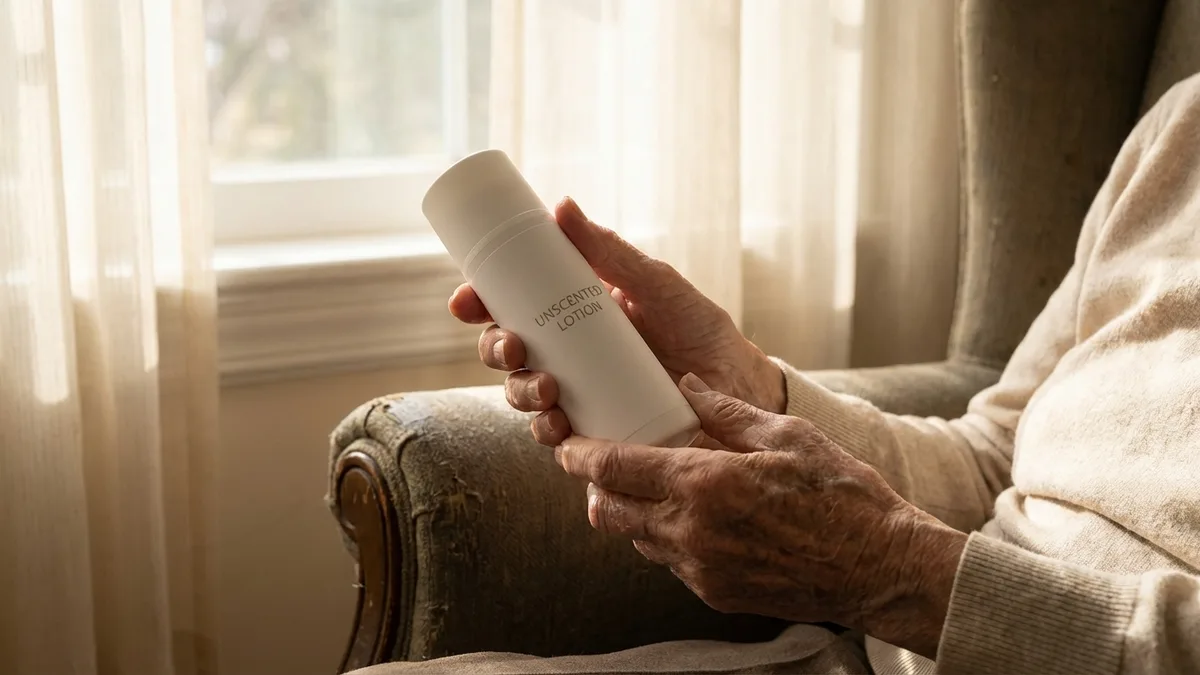
When I started helping my grandmother switch to safer household products, I realized how different her needs were from mine. She couldn’t read the tiny ingredient text on bottles. She had trouble opening certain container types. Strong fragrances gave her headaches that lasted all day. And she didn’t need a 12-step skincare routine or a cabinet full of specialty cleaners. She needed fewer products, simpler labels, and nothing that made her feel sick.
Older adults face chemical exposure challenges that rarely get discussed in the non-toxic living space, which tends to focus on young families and babies. But seniors are often more vulnerable to chemical irritants than younger adults, for physiological reasons that are well documented.
This guide covers the specific concerns for seniors and recommends products designed around their actual needs.
Why Seniors Are More Vulnerable to Chemical Exposure
Several age-related changes make older adults more susceptible to the effects of household chemicals.
Thinner Skin
Skin thins progressively with age. By age 70, the dermis has lost approximately 20% of its thickness compared to age 30. Thinner skin absorbs chemicals more readily and is more susceptible to irritation from products that younger adults tolerate without issue. This affects everything from cleaning products to personal care items.
Dr. Philip Landrigan’s work on environmental health has noted that both the very young and the very old share heightened vulnerability to chemical exposures, though for different physiological reasons. In seniors, reduced liver and kidney function means chemicals that are absorbed take longer to process and eliminate.
Reduced Liver and Kidney Function
The liver metabolizes and the kidneys excrete most environmental chemicals. Both organs lose function with age. The liver’s metabolic capacity decreases by roughly 30% between ages 30 and 80. Kidney filtration rate (GFR) declines at approximately 1% per year after age 40. This means chemicals that a 30-year-old’s body clears in hours may persist in a 75-year-old’s body for significantly longer.
Increased Fragrance Sensitivity
Sensitivity to synthetic fragrances increases with age for many people. This isn’t imagined. The mucous membranes of the respiratory tract thin and dry out with age, reducing the protective barrier against airborne irritants. Volatile organic compounds from synthetic fragrances can trigger headaches, nausea, dizziness, and respiratory distress in sensitive individuals, and the prevalence of this sensitivity increases in older populations.
Medication Interactions
Many seniors take multiple daily medications. Some household chemicals can interact with medications, either by affecting absorption through the skin or by competing for the same liver detoxification pathways. This interaction is rarely studied and almost never disclosed on product labels.
Personal Care: Simplified and Fragrance-Free
The average American uses 9 to 12 personal care products daily, each containing dozens of individual chemicals. For seniors, reducing this to the minimum necessary products with the fewest ingredients is both practical and protective.
Body Wash and Soap
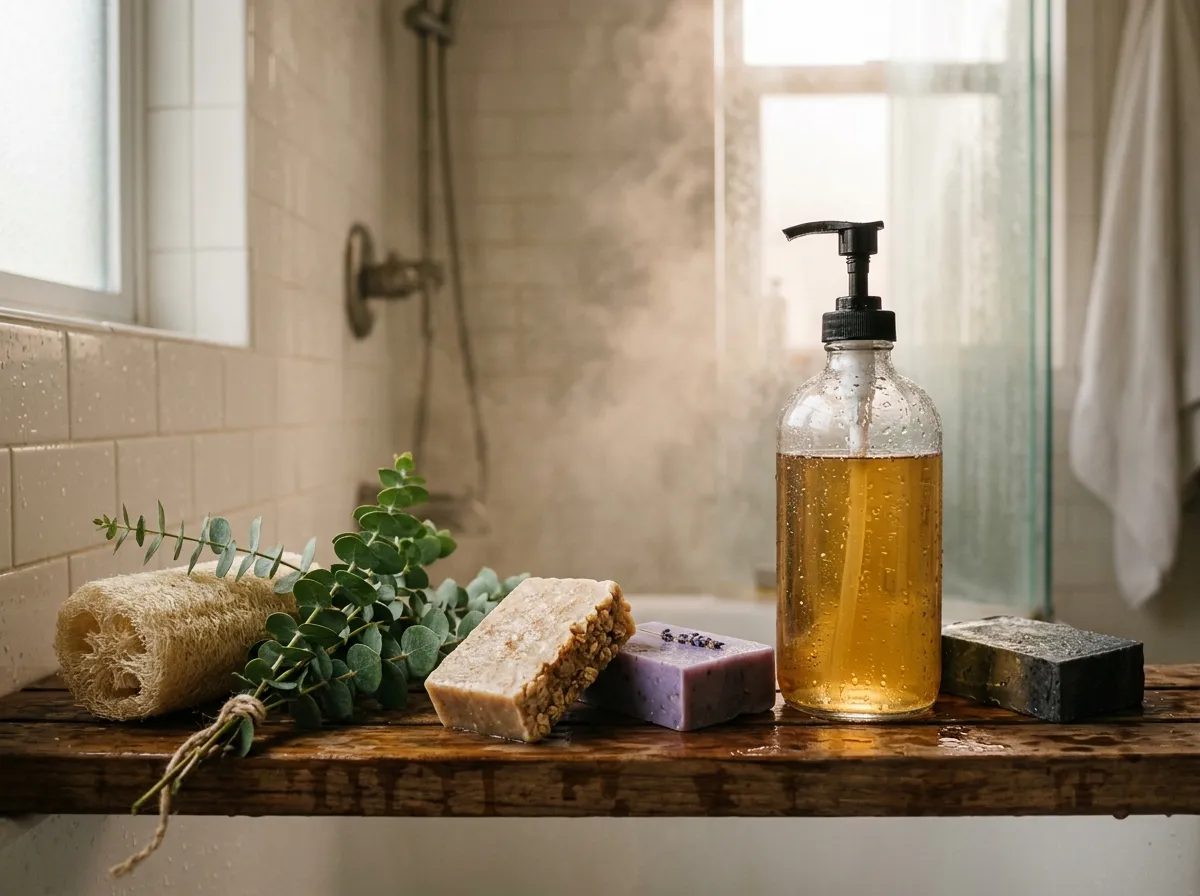
Fragrance is the biggest concern here. A single “fragrance” listing on a soap label can represent 50 to 200 individual synthetic compounds. Our best non-toxic body wash roundup includes fragrance-free options from Vanicream and Pipette that are gentle enough for compromised skin. Dr. Bronner’s Unscented Baby Mild formula works well and comes in pump bottles that are easier for arthritic hands to operate than bar soap.
Practical tip: Pump bottles are easier to handle than bar soap, flip-top lids, or squeeze bottles. When recommending products to an older adult, container design matters as much as ingredients.
Shampoo
Many conventional shampoos contain sulfates (SLS/SLES) that strip already-dry scalps and thin hair. Our best non-toxic shampoo guide lists sulfate-free, fragrance-free options. For seniors with very thin or fine hair, a gentle formula that doesn’t over-strip natural oils makes a real difference.
Body Lotion
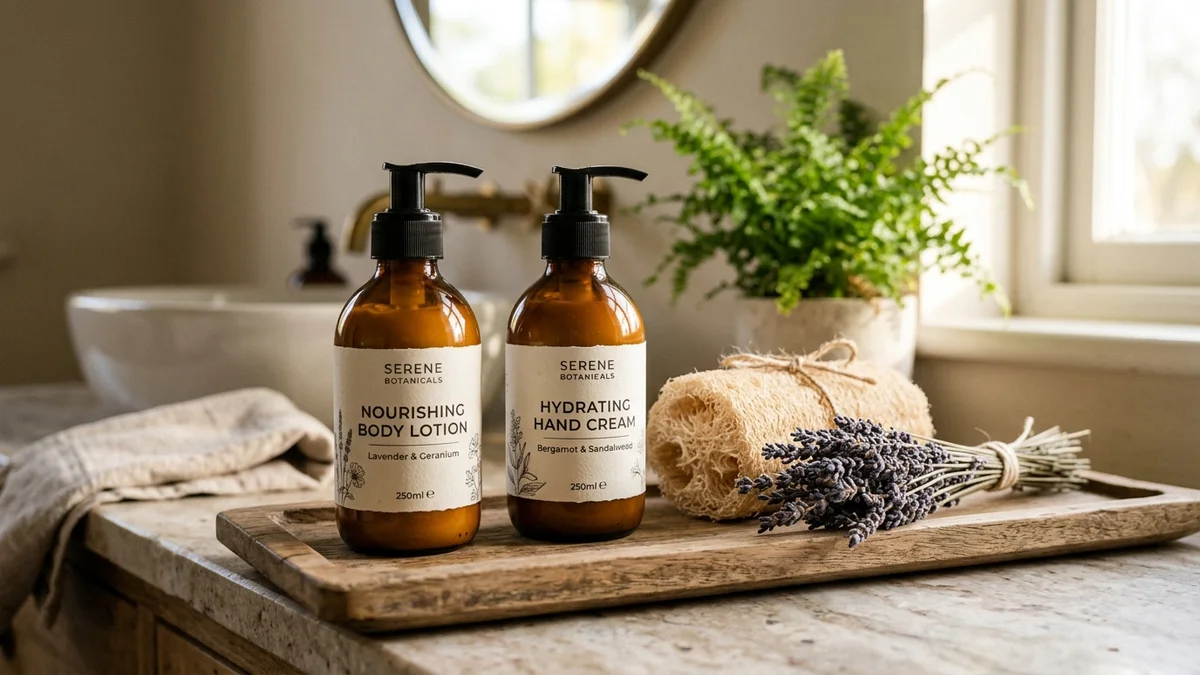
Aging skin needs more moisture, and seniors often apply lotion more frequently. That means more chemical exposure from whatever’s in the formula. Our best non-toxic body lotion roundup covers fragrance-free options. Vanicream Moisturizing Skin Cream is one of the best options: it’s free of fragrance, dyes, lanolin, parabens, and formaldehyde, and it comes in a jar with a wide opening that’s easy to access.
Deodorant
Many seniors find that their deodorant sensitivity increases with age. Aluminum-based antiperspirants can irritate thinning underarm skin, and the synthetic fragrance in scented deodorants is a common trigger. Our best non-toxic deodorant guide includes unscented options. For seniors who’ve used conventional deodorant for decades, a baking-soda-free formula is less likely to cause irritation during the transition.
Toothpaste
Older adults are more likely to experience dry mouth (often from medications), which makes the SLS in conventional toothpaste more irritating to oral tissue. Our best non-toxic toothpaste picks include SLS-free formulas. Dr. Peter Attia has discussed oral health in the context of longevity, noting that gum disease correlates with systemic inflammation and cardiovascular risk, making gentle but effective oral care important for older adults.
Cleaning Products: Less Is More
Seniors don’t need a different cleaner for every surface. A stripped-down cleaning routine with two or three products is safer, cheaper, and easier to manage.
All-Purpose Cleaner
One good non-toxic all-purpose cleaner handles counters, tables, bathroom surfaces, and light kitchen cleaning. Our best non-toxic all-purpose cleaner roundup has picks that skip the ammonia, bleach, and synthetic fragrance found in conventional options. Branch Basics concentrate is a strong choice because it’s unscented and one bottle makes multiple spray bottles. See our Branch Basics review for the full breakdown.
Dish Soap
Standard dish soaps contain synthetic fragrance, dyes, and sometimes 1,4-dioxane as a manufacturing contaminant. Our best non-toxic dish soap guide includes fragrance-free options that rinse clean without leaving residue.
Laundry Detergent
Laundry detergent residue stays in clothing and bedding, which means it’s in contact with skin all day and night. For seniors with sensitive skin, this is one of the most impactful swaps. Our best non-toxic laundry detergent guide covers fragrance-free options. Our non-toxic laundry for sensitive skin guide goes deeper on this topic.
According to NonToxicLab, the three cleaning products that matter most for seniors are all-purpose cleaner, dish soap, and laundry detergent. Everything else is optional. Our how to transition to non-toxic cleaning guide covers the process of switching without buying everything at once.
Floor Cleaner
Seniors who spend more time at home have more floor-contact exposure than people who work in offices. Shoes off at the door reduces contamination. For actual cleaning, our best non-toxic floor cleaner picks include options safe for hardwood, tile, and laminate. A simple mix of water and castile soap works for most hard floors.
What to Eliminate Entirely
These products create more chemical exposure than they’re worth, and seniors can skip them entirely:
- Air fresheners - Synthetic fragrance diffused into the air you breathe for hours. Our are air fresheners toxic article covers the research. Open a window instead.
- Dryer sheets - Coat clothing in synthetic fragrance and surfactants. Dryer balls are cheaper and safer.
- Bleach for general cleaning - Unnecessary for routine cleaning. Reserve for genuine disinfection needs only. Our best non-toxic bleach alternatives covers options.
- Oven cleaner - Extremely harsh chemicals. Our best non-toxic oven cleaner guide has alternatives.
Bedroom: Where You Spend a Third of Your Life
Seniors often spend more time in the bedroom than younger adults, both sleeping and resting. The chemical environment of this room has outsize impact.
Mattress
Old mattresses (10+ years) may contain flame retardants that have since been restricted or banned. A mattress replacement is a significant purchase, but for a bed that’s been in use since before 2015, the foam may contain chlorinated Tris, TCEP, or other organohalogen flame retardants. Our best non-toxic mattresses guide covers options at every price point. For seniors with back pain, our best non-toxic mattress for back pain guide narrows the options.
Bedding
Conventional sheets are treated with formaldehyde-based wrinkle-resistant finishes that off-gas for the life of the product. Organic cotton sheets from GOTS-certified brands skip these finishes. Our best non-toxic bed sheets roundup and best non-toxic pillows guide cover the options.
Air Quality
Bedroom air quality matters more for seniors who spend extended time in the room. An air purifier with a HEPA filter removes particulate matter, dust mite allergens, and some VOCs. Our indoor air quality guide and how to test indoor air quality article cover the basics.
Kitchen Considerations
Cookware
If your parent or grandparent is still using scratched Teflon-coated pans from the 1990s, this is a priority swap. Older nonstick cookware was manufactured with PFOA (a PFAS compound now banned in the US) and may still release PFAS compounds when heated, especially if the coating is damaged. Our best non-toxic cookware guide has options that are easier to maintain than people expect. Cast iron and stainless steel require different care than nonstick, but our how to care for non-toxic cookware guide covers the learning curve.
Water Filtration
Municipal tap water quality varies by location and season. Lead from aging municipal pipes is a particular concern for older homes. A simple water filter pitcher is the lowest-effort option for drinking water. For seniors who don’t want to maintain a complex filtration system, the Clearly Filtered pitcher is effective and easy. Our water filtration complete guide covers the options.
Making the Transition Manageable
Switching everything at once is overwhelming for anyone, and it’s especially impractical for older adults who may be on fixed incomes or have established routines. Here’s a realistic approach:
Month 1: Switch hand soap, dish soap, and laundry detergent. These are the products with the most skin contact and the easiest to swap.
Month 2: Switch body wash and body lotion. These go directly on skin and are used daily.
Month 3: Replace any aerosol products (air freshener, oven cleaner, bathroom spray) with non-toxic alternatives or eliminate them entirely.
Month 4 and beyond: Address bigger items like mattress, bedding, and cookware as budget allows and as existing items wear out.
Our non-toxic home on a budget guide covers cost-effective strategies for switching without financial strain, and the non-toxic product swap priority list ranks every category by health impact per dollar.
A Note for Caregivers and Family Members
If you’re reading this because you want to help an older parent or relative transition to safer products, approach it gently. Nobody wants to hear that the products they’ve used for 40 years are harming them. Lead with the practical benefits: “This soap doesn’t have a strong smell, and it might help with those headaches you’ve been getting.” That lands better than a lecture about phthalates.
If you’re buying products for someone else, check the container design. Can they open it with arthritic hands? Can they read the label? Is it stable enough not to tip over on a wet counter? Functionality matters as much as formulation.
You Might Also Like
- Complete Guide to Non-Toxic Living
- How to Detox Your Home
- Non-Toxic Personal Care Complete Guide
- Non-Toxic Cleaning Complete Guide
- Cost of Non-Toxic Living
Frequently Asked Questions
Why do older adults seem more sensitive to fragrances?
Several physiological changes contribute. Thinning of respiratory mucous membranes reduces protection against airborne irritants. Reduced liver function means fragrance chemicals take longer to metabolize and clear. And cumulative lifetime exposure to synthetic fragrances may sensitize the immune system over decades. It’s a real physiological phenomenon, not a preference issue.
Are “fragrance-free” and “unscented” the same thing?
No. “Unscented” means the product has no noticeable smell, but it may contain masking fragrances to neutralize ingredient odors. “Fragrance-free” means no fragrance ingredients were added at all. For sensitive individuals, “fragrance-free” is the safer choice. Read the ingredient list either way.
What’s the most important product to switch first?
Laundry detergent. It’s in contact with skin via clothing and bedding 24 hours a day. Switching to a fragrance-free, non-toxic laundry detergent reduces total daily chemical exposure more than any other single swap.
Can non-toxic cleaning products actually disinfect?
For routine cleaning, you don’t need disinfection. Soap and water removes the vast majority of germs from surfaces. For situations requiring actual disinfection (illness in the household, for example), hydrogen peroxide-based cleaners are effective without the fumes and residue of bleach. Our is vinegar effective as a disinfectant article covers what works and what doesn’t.
How do I convince my parent to switch products?
Don’t lead with fear. Lead with comfort. “Try this lotion, it doesn’t have that strong smell” works better than “your lotion contains endocrine disruptors.” Buy them one product to try, let them experience the difference, and go from there. Forced transitions don’t stick.
Are dollar-store cleaning products safe for seniors?
Generally, no. Budget cleaning products tend to contain the harshest chemicals and the most synthetic fragrance. They’re also more likely to contain undisclosed ingredients. A bottle of Branch Basics concentrate costs more upfront but dilutes into months of cleaning solution, making the per-use cost comparable.
Sources
- Landrigan, P. “Children’s Health and the Environment: A Global Perspective.” World Health Organization (various publications)
- FDA, “Fragrances in Cosmetics” (consumer information page)
- National Institute on Aging, “Skin Care and Aging”
- Steinemann, A. “Fragranced Consumer Products: Exposures and Effects from Emissions.” Air Quality, Atmosphere and Health (2016)
- Attia, P. “Outlive: The Science and Art of Longevity.” (2023)