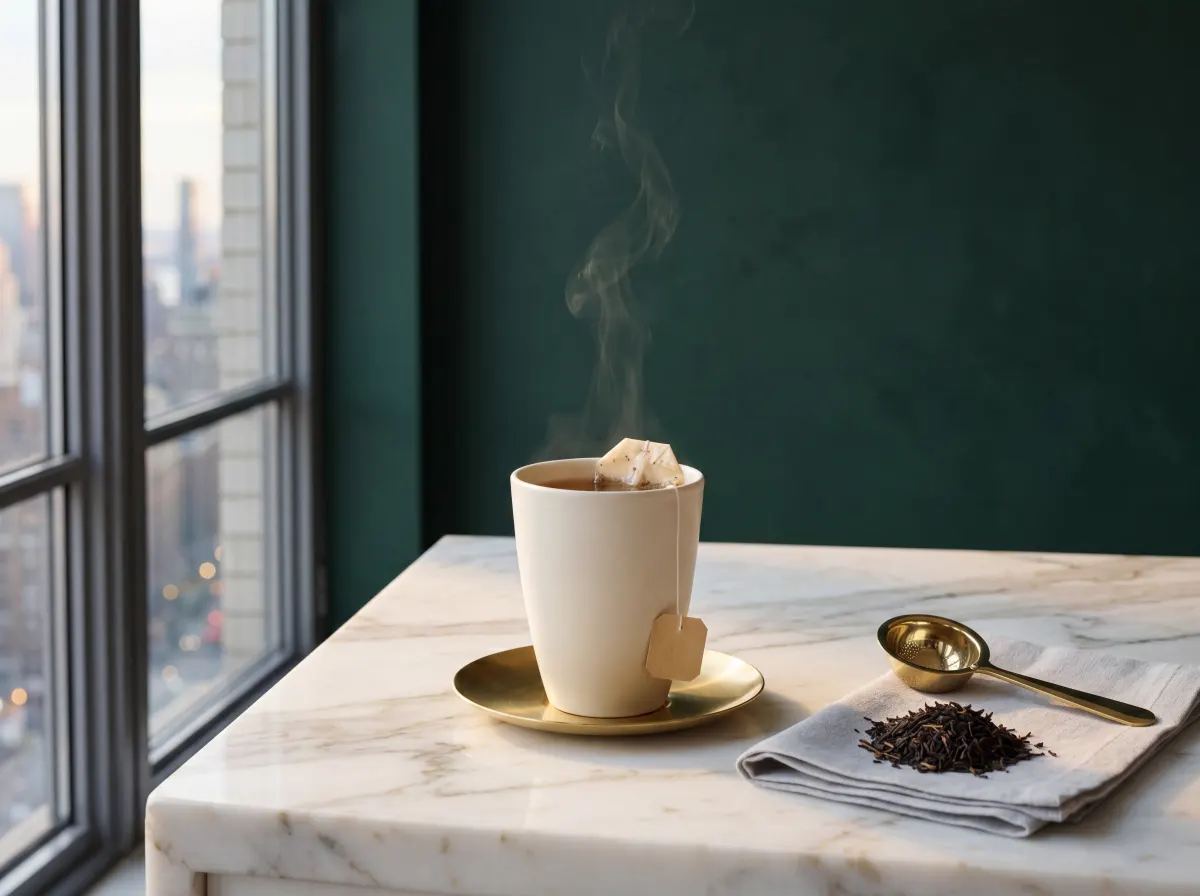
The number is so large it sounds invented. A single tea bag, steeped at near-boiling temperature, can release up to 14.7 billion micro- and nano-plastic particles into one cup, according to a Food Chemistry review published in February 2025 that pooled findings from prior studies on tea-bag particle release [in vitro]. The figure originates from the McGill 2019 measurement that broke the story, and the 2025 review confirmed it across multiple labs and methods.
Pyramid-shaped bags are the worst offenders. They are typically made from nylon-6 or polyethylene terephthalate (PET), both of which soften and shed when steeped in water above 80°C. Standard rectangular bags are mostly paper, but most still contain a thin polypropylene heat-seal at the crimped edge that holds the bag closed. Even some “biodegradable” plant-based bags shed plastic, depending on what plant-derived polymer is used.
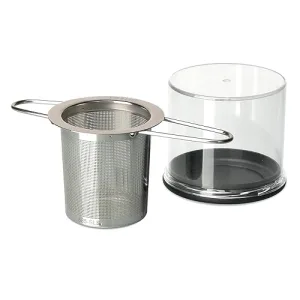
The cleaner option, loose-leaf tea brewed in a stainless steel infuser, eliminates the problem at the source. So do tea bags from a handful of brands that have publicly confirmed they use no plastic of any kind. The path to drinking tea without billions of microplastic particles is short and not expensive.
What the 2025 Food Chemistry review actually found
The February 2025 review in Food Chemistry pooled measurements from prior studies on tea-bag particle release published since 2019. The headline numbers:
Pyramid nylon or PET bags steeped at brewing temperature have been measured releasing more than a billion particles per teabag across multiple studies, with the McGill 2019 paper reporting the upper-end figure of about 14.7 billion total particles per cup (11.6 billion microplastics plus 3.1 billion nanoplastics) [in vitro]. The review noted that much of the spread between studies reflects different analytical protocols and different particle-size cutoffs, not different bag behavior. Most labs report shedding in the billions-per-teabag range.
Plastic-cellulosic composite and biodegradable bags also shed meaningful quantities of microplastics when steeped, the review concluded, though typically less than fully plastic pyramid bags [in vitro]. Standard paper rectangular bags with polypropylene heat-seals are the most common composite construction; most of the shedding from those bags comes from the small heat-sealed edge, not the paper itself.
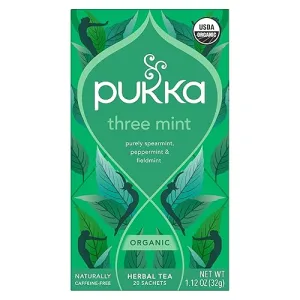
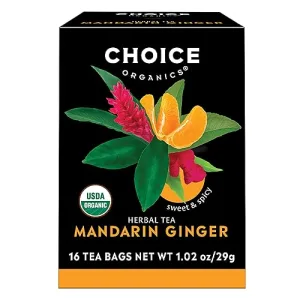
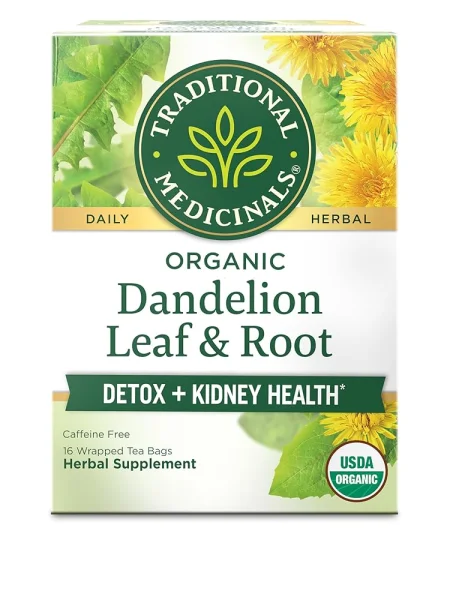
Bags constructed entirely from plant-fiber materials with no plastic heat-seal, like Pukka’s stitched bags and the all-paper constructions used by Traditional Medicinals and Choice Organic, sidestep the bag-derived plastic shedding entirely. Brand-level particle measurements are limited in the published literature; the construction-level claim reflects what each brand publicly discloses about their materials.
The review also flagged water temperature as a dominant variable. Primary studies have measured that brewing nylon tea bags in cold water rather than near-boiling water reduces particle release dramatically [in vitro]. The plastic doesn’t disintegrate; the heat melts it just enough to release particles into the water.
What this means for your body (probably less than the number suggests)
The 14.7 billion number is dramatic, but a large fraction of those particles are nano-sized, well below a micrometer. The cumulative mass per cup is small. Estimates based on the Hernandez 2019 size distribution put it at low microgram levels per cup, on the order of a tenth the weight of a grain of sand. This matters because dose makes the poison. To put the dose in everyday scale terms: at one cup of pyramid-bag tea per day for two years, the cumulative plastic mass is about 12 milligrams (16 micrograms × 730 cups). For comparison, a single teaspoon of any ordinary food (salt, sugar, flour, oil) weighs roughly 4 grams, more than 300 times that two-year plastic total. This is a mass comparison only. It’s saying the plastic shed by tea bags is tiny by weight, not that other foods contain plastic. Whether 12 milligrams of nano-scale polymer over two years matters biologically is a separate question (see below), but the answer is not driven by mass.
That said, particle count matters separately from mass for biological effects. Smaller particles can cross cell membranes, and the immune system responds to particles more than to mass. The 2025 review explicitly flagged that we don’t yet know whether nano-plastics from tea bags accumulate in human tissues at meaningful rates [preliminary]. The brain-tissue detection paper (Nature Medicine, February 2025) found microplastics in human brains but didn’t trace them back to specific sources. Tea is one of many candidates.
Probably fine for an occasional drinker. If you have a tea bag a day and switching to loose-leaf is a five-minute adjustment, the cost-benefit favors the switch. If you have eight cups a day and tea is a structural part of your routine, the case for switching strengthens.
Why “biodegradable” tea bags aren’t a clean answer
Several premium tea brands switched to “plant-based” pyramid bags in the 2020s as a marketing answer to the McGill paper. The most common material is PLA (polylactic acid), a corn-derived bioplastic. PLA is technically compostable in industrial composting facilities. It also sheds particles when steeped in hot water, just like nylon does, just at slightly lower rates [in vitro].
A 2024 paper from the Autonomous University of Barcelona research group that tested commercial PLA teabags found these biodegradable bags also shed nanoplastic particles when brewed in hot water [in vitro], in the millions-per-bag range. Fewer than the polypropylene bags the same group tested in their later Chemosphere paper, but still meaningful. Calling PLA “plastic-free” is marketing, not chemistry. PLA is a plastic. It’s a different plastic, sourced differently, with different end-of-life behavior. From the perspective of “what enters my tea when I steep this bag,” the distinction is largely cosmetic.
The actually cleaner options are: loose-leaf tea, stitched paper bags with no heat-seal, or cotton muslin bags filled at home with bulk tea.
What we don’t know yet
We don’t know what fraction of the detected particles is absorbed by the gut versus passed through. Adult gut transit studies suggest most microplastic particles pass through stool intact [biomonitoring]. Nano-plastics may behave differently. Sample sizes in human absorption studies are tiny.
We don’t know whether sorbed chemicals (the things plastics absorb during manufacturing and shedding) are the main exposure concern rather than the particles themselves. Nylon-6 manufacturing residues, PET catalyst residues, and migrated dye compounds may all matter more than the plastic.
We don’t know what tea polyphenols do to microplastic surface chemistry in the gut. Some preliminary work suggests catechins bind to nano-plastic surfaces and may alter how the gut responds, but the mechanism is still mechanism-stage, not outcome-stage [mechanism proposed].
What to do about it
Switch to loose-leaf tea in a stainless steel or ceramic infuser. This is the cleanest option in the available research and typically the cheapest per cup. Bulk loose-leaf from a brand like Frontier Co-op or a local tea shop runs roughly half the per-cup cost of premium pyramid bags.
If loose-leaf isn’t workable for your routine, switch to a paper-bag brand with no plastic heat-seal. Brands that have publicly confirmed plastic-free construction include Pukka, Traditional Medicinals, Choice Organic, and most varieties from Yogi and Stash. Check the box; brands that have made the switch tend to advertise it.
If you’re traveling or only have access to standard supermarket tea, the harm-reduction order is: paper rectangular bag > pyramid plastic bag, brewed cooler > brewed boiling, removed after three minutes > left to oversteep. None of these are equivalent to loose-leaf, but plastic-cellulosic composite paper bags shed substantially less than nylon or PET pyramid bags, and cooler brewing reduces shedding further from both.
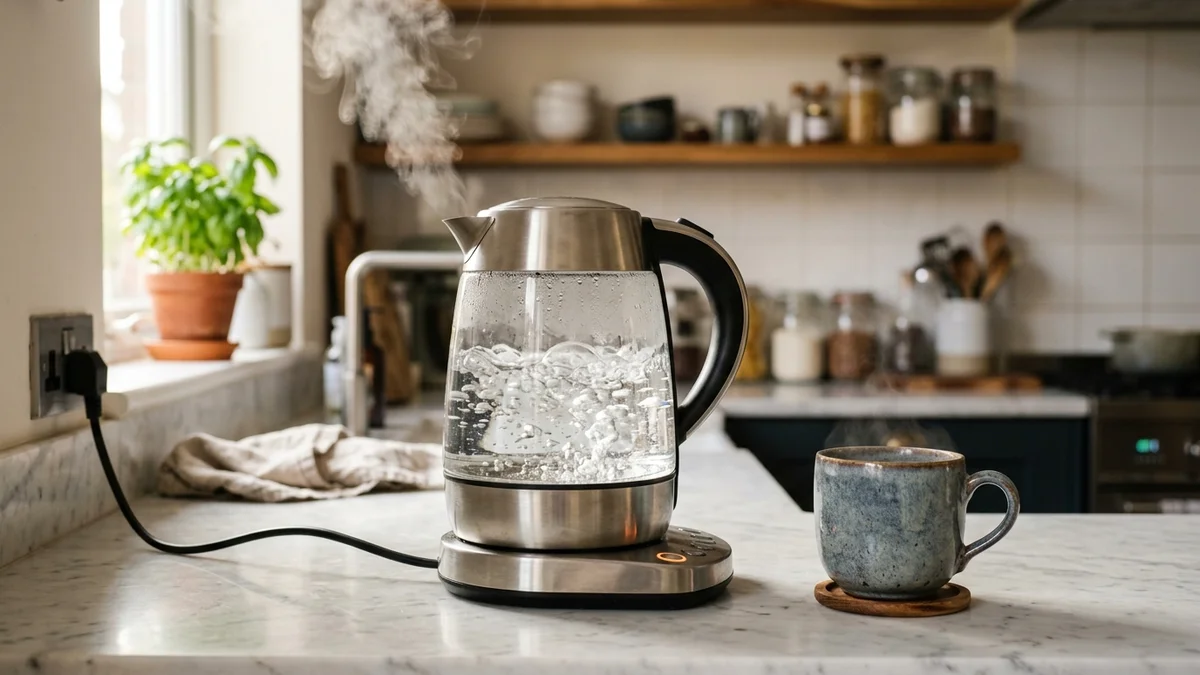
What’s not worth changing: ceramic teapots, stainless steel kettles, and electric kettles with stainless interiors are not significant microplastic sources. The bag is the dominant variable.
Probably fine, but worth a small change
Most tea drinkers are not in acute danger from tea-bag microplastics. The mass per cup is small, the long-term human outcome data is still preliminary, and the immune system handles particle exposure routinely. The reason to switch isn’t panic. The reason to switch is that loose-leaf tea tastes better, costs less per cup, generates less waste, and removes a known exposure pathway at almost no cost. It’s a low-regret swap.
If you’ve been drinking pyramid bags for years and you’re now worried, the worry isn’t proportional to current evidence. Make the switch going forward, and don’t second-guess the past.
FAQ
Which tea bag brands use plastic and which don’t?
Based on published research and brand-level material disclosures as of early 2026, “silken” or pyramid bags from brands like Tea Forte and Mighty Leaf, plus some Twinings and Tazo varieties, use nylon or PET mesh. Standard rectangular bags from major brands including Lipton, Tetley, and Bigelow have historically used a polypropylene heat-seal at the crimped edge. Brands that have publicly confirmed plastic-free construction include Pukka, Traditional Medicinals, Choice Organic, Clipper, and most varieties from Yogi and Numi. Pukka specifically uses a stitched bag with no heat-seal, which is one of the cleanest constructions on the market.
Does cold-brewing tea avoid the microplastic problem?
Mostly yes for plastic bags. The 2025 review flagged water temperature as a dominant variable, and primary studies have measured that cold-brewing nylon tea bags releases dramatically fewer particles than near-boiling brewing, on the order of two or more orders of magnitude lower [in vitro]. The thermal softening of the plastic mesh is the primary release mechanism, and cold water doesn’t trigger it. Cold-brew is a reasonable harm-reduction option if loose-leaf or paper-bag alternatives aren’t available.
Are PLA or “biodegradable” pyramid bags actually safer?
Marginally, not meaningfully. The UAB group’s PLA-specific paper found PLA pyramid bags shed nanoplastic particles in the millions-per-bag range when steeped in hot water [in vitro]. That’s orders of magnitude below the ~11.6 billion particles per cup reported for nylon in the McGill 2019 paper, but still real shedding. PLA is a plant-derived plastic but it’s still a plastic. The phrase “biodegradable tea bag” markets end-of-life behavior, not steeping behavior. From an exposure standpoint, paper bags with no plastic seal or loose-leaf are clearly cleaner choices.
Does a stainless steel tea infuser shed metal particles instead of plastic?
Stainless steel does release trace amounts of nickel and chromium under acidic conditions, but tea is not acidic enough to drive meaningful leaching. The available research on stainless cookware metal release focuses on long-cook acidic foods like tomato sauce (Kamerud et al., Journal of Agricultural and Food Chemistry, 2013) [in vitro]. Tea brewing falls well outside those conditions, with much shorter contact time and a near-neutral pH. For people with nickel allergies, ceramic or food-grade titanium infusers are alternatives. For the general population, stainless is fine.
Has anyone connected tea-bag microplastics to a specific health outcome in humans?
No, not directly. The 2025 review explicitly noted that no human cohort study has connected tea-bag-shed microplastics to a specific clinical endpoint. The concern is based on the detection of microplastics in human tissues (brain, blood, placenta, breast milk, lung), combined with mechanistic data from animal and cell models suggesting plausible inflammatory and endocrine pathways [biomonitoring plus animal study plus in vitro]. The biological plausibility is meaningful. The human outcome evidence is genuinely not yet in.
Sources
- Microplastics and nanoplastics in tea: Sources, characteristics and potential impacts (Food Chemistry review, February 2025)
- Plastic Teabags Release Billions of Microparticles and Nanoparticles into Tea (Hernandez et al., McGill University, Environmental Science & Technology, 2019)
- A single tea bag could release billions of microplastics into the body (ScienceAlert, April 2026)
- Tea bags release billions of microplastics, study finds (The Weather Channel, March 2026)
- Microplastic generation from tea bags during brewing (PMC, 2023)
- Teabag-derived micro/nanoplastics as a surrogate for real-life exposure scenarios (Banaei et al., Chemosphere, November 2024)
- Release of polylactic acid nanoplastics from commercial teabags (Banaei et al., Journal of Hazardous Materials, 2024)
- Microplastics detected in human brain tissue (Nature Medicine, February 2025)
- Stainless steel leaches nickel and chromium into foods during cooking (Kamerud et al., Journal of Agricultural and Food Chemistry, 2013)